
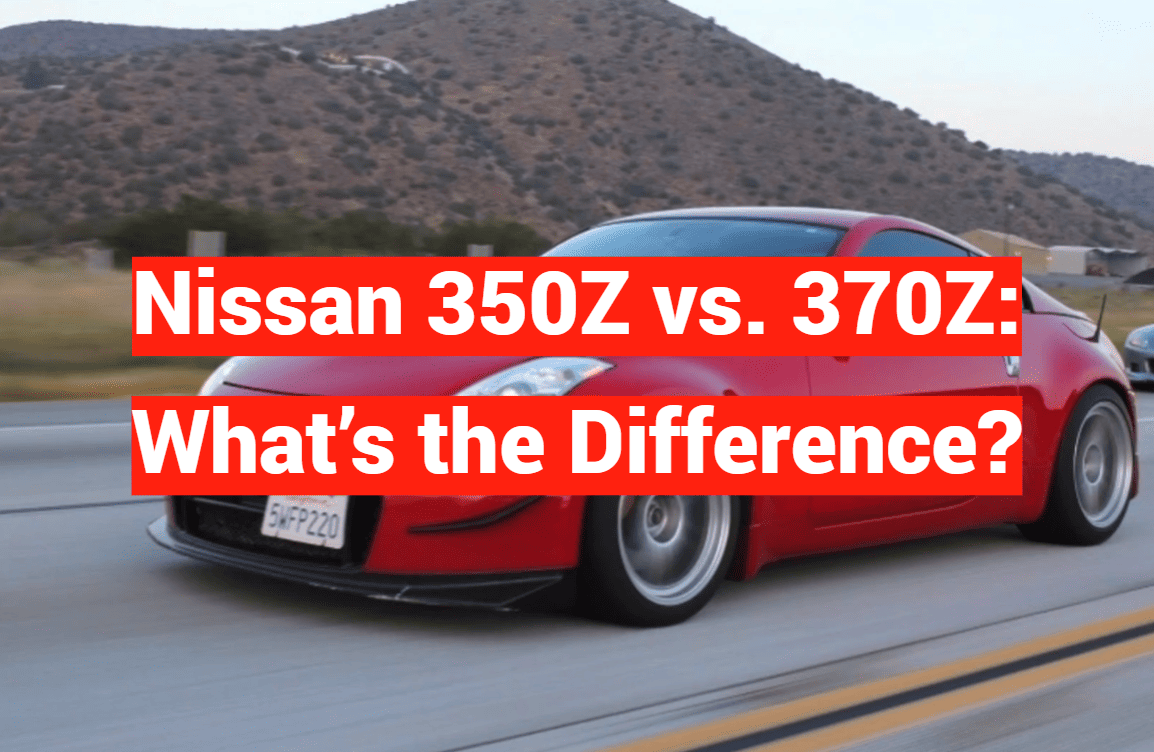
Did you know that over 180,000 Z-cars found homes in America during their peak years? These iconic sports machines captured hearts worldwide with their perfect blend of performance and affordability.
Today we’re exploring two legendary generations from this famous lineup. We’ll compare the fifth-generation model against its sixth-generation successor. This comparison matters greatly to anyone considering these exciting vehicles.
Both cars represent a commitment to delivering thrilling driving experiences. They continue a proud tradition that began decades ago. For driving enthusiasts, understanding their differences is key to making the right choice.
Throughout this article, you’ll discover important upgrades and changes. We’ll cover performance improvements, design evolution, and practical ownership considerations. Each vehicle offers unique strengths for different needs and budgets.
Whether you’re a seasoned car lover or new to the scene, this friendly guide will help you understand what makes each model special. Let’s dive into the details that set these sports cars apart!
Key Takeaways
- Both vehicles continue the legendary Z-car tradition of affordable performance
- The comparison helps buyers understand generational improvements
- Key differences span performance, design, and ownership experience
- Each model suits different driver preferences and budgets
- Understanding these differences leads to better purchasing decisions
- Both cars maintain strong enthusiast communities worldwide
- The evolution reflects Nissan’s commitment to sports car excellence
Introduction to the Nissan Z Legacy
The tale of the Z-car began as a bold experiment that would redefine affordable sports cars forever. This legendary lineage has captivated driving enthusiasts around the world for over five decades.
Background of the Iconic Z Series
Everything started with the groundbreaking Datsun 240Z in 1969. This revolutionary machine offered stunning looks and thrilling performance at an accessible price point. It quickly became a global phenomenon.
The original 240Z established a formula that would guide future generations. For many years, these cars delivered excitement without excessive cost. Each new iteration built upon this successful foundation.
Transition from Datsun 240Z to Modern Models
The evolution from Datsun to Nissan branding marked an important chapter. Throughout this transition, the core Z philosophy remained unchanged. The commitment to driver-focused experiences continued worldwide.
Later models maintained the spirit of that first iconic sports car while incorporating modern technology. This careful balance between tradition and innovation defines the Z legacy. It explains why these vehicles remain beloved across the world today.
History and Evolution of the Nissan Z Series
Across six distinct generations, the legendary Z-car lineage has evolved while staying true to its performance roots. This journey spans over five decades of automotive excellence.
Timeline of Generations (240Z to 370Z)
The story begins with the iconic 240Z in 1969. This first-generation model set the standard for affordable sports car excitement.
Later models built upon this foundation through the years. The 280ZX served as predecessor to the celebrated 300ZX generations.
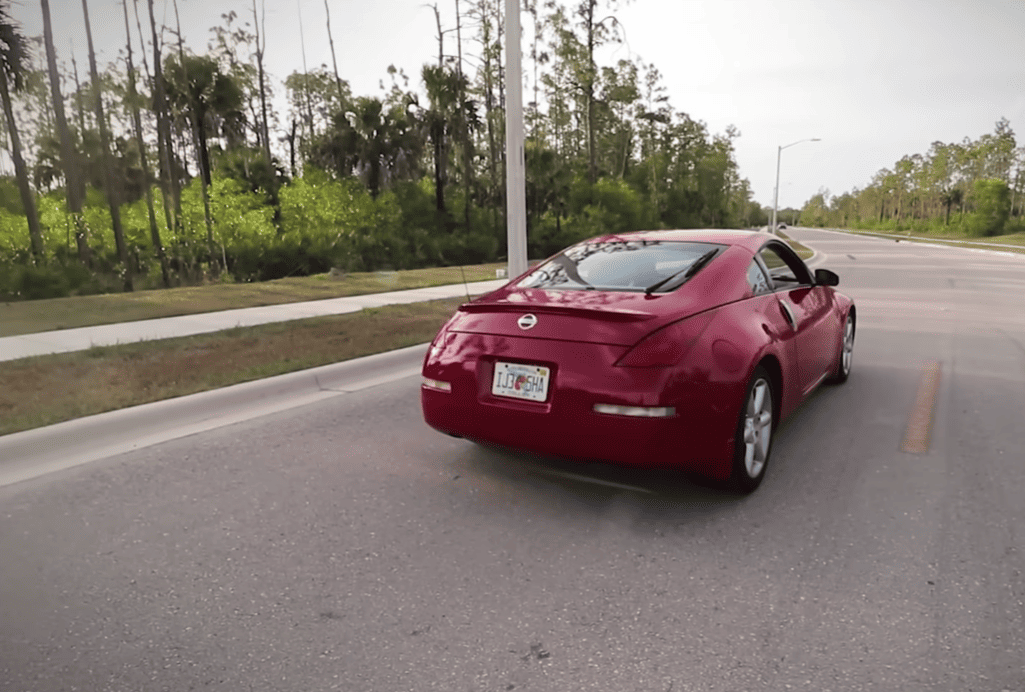
After a production hiatus, the fifth-generation model revived the Z-car spirit in 2002. This vehicle brought modern performance to the classic formula.
The sixth-generation successor arrived in 2008 as an evolutionary step forward. It carried the torch until 2020, completing an impressive timeline.
Key Milestones in the Z-Car Story
Each generation introduced important innovations during its time. Technological advancements and design refinements marked significant progress.
The transition between models showcased thoughtful evolution rather than radical change. This approach maintained the core Z-car philosophy across all generations.
From the original 240Z to the final naturally-aspirated models, the commitment to driver engagement remained constant. These milestones created a rich heritage that continues today.
nissan 350z vs 370z: A Detailed Comparison
When enthusiasts debate the evolution of modern Z-cars, the conversation often centers on two standout generations. This comparison helps buyers understand what separates these popular sports cars.
Comparative Overview of Model Generations
The relationship between these models shows careful evolution rather than radical change. Many consider the newer vehicle a comprehensive refinement of its predecessor.
Both cars maintain the classic Z-car proportions that enthusiasts love. They share the same fundamental platform and driving philosophy.
Distinct Characteristics and Similarities
Despite their shared foundation, important differences exist between these generations. The newer model addressed several criticisms while keeping the core experience intact.
Key similarities include the coupe and roadster options available for both vehicles. Each maintains the front-engine, rear-wheel-drive layout that defines sports car purity.
The updates represent Nissan’s response to years of real-world feedback. This makes the comparison particularly valuable for potential buyers.
Performance and Engine Insights
Under the hood lies where these two sports cars truly separate themselves in performance capabilities. The mechanical improvements showcase significant engineering progression between generations.
Engine Specifications and Power Output
The earlier model featured a 3.5-liter V6 engine with two main variants. The original VQ35DE produced 287 horsepower and 274 lb-ft of torque.
Later versions received the upgraded VQ35HR engine. This revision boosted output to 306 horsepower while maintaining strong torque characteristics.
Its successor introduced a more advanced 3.7-liter V6 powerplant. The VQ37VHR engine delivers 332 horsepower and 270 lb-ft torque in standard configuration.
The high-performance Nismo variant pushes boundaries further. It achieves an impressive 350 horsepower with 276 lb-ft torque.
Acceleration and Torque Differences
Straight-line performance shows clear generational improvements. The older model completes 0-60 mph runs in approximately 5.5 seconds.
Its replacement achieves the same sprint in around five seconds. This represents a noticeable half-second advantage in acceleration.
Quarter-mile times demonstrate even greater differences. The newer car covers the distance in 12.5 seconds compared to 13.5 seconds for its predecessor.
Despite power differences, both share identical top speed capabilities. Aerodynamics and gearing limit maximum velocity to 155 mph for each vehicle.
Exterior Styling and Design Upgrades
The visual transformation between these two generations reveals how automotive styling evolved in just a few short years. Both vehicles maintain the iconic Z-car proportions that enthusiasts love. Yet each expresses a distinct personality through its exterior design.
Comparing Body Dimensions and Aerodynamics
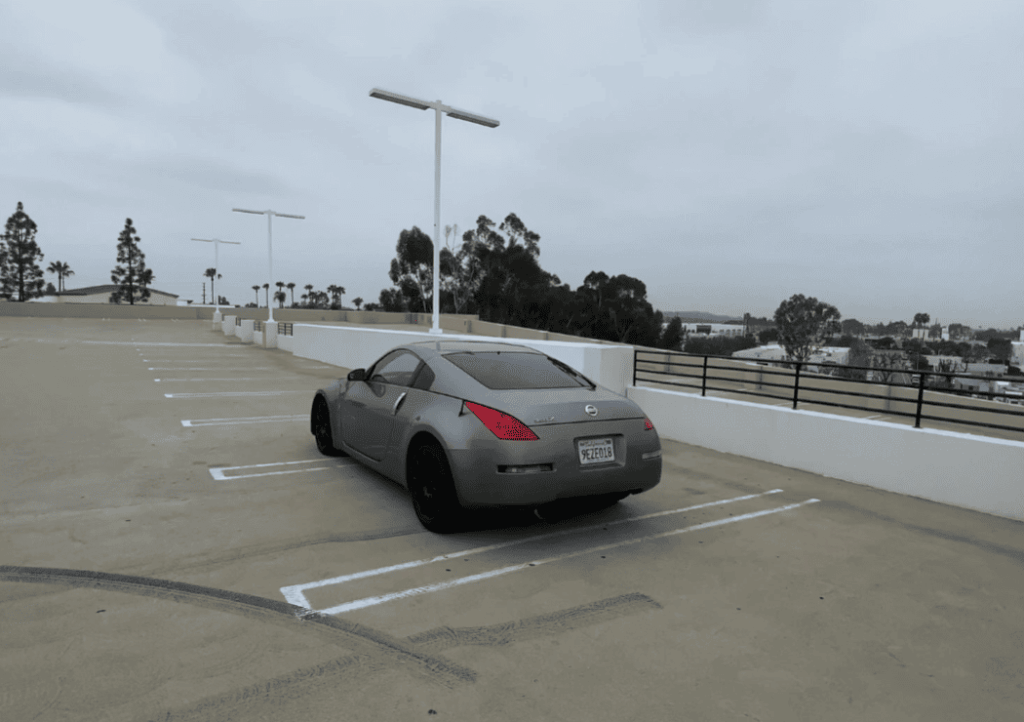
The earlier model features a muscular, clean design that has aged remarkably well. It measures 169 inches long with a 71.5-inch width. This bold stance captures the aggressive character of early 2000s sports cars.
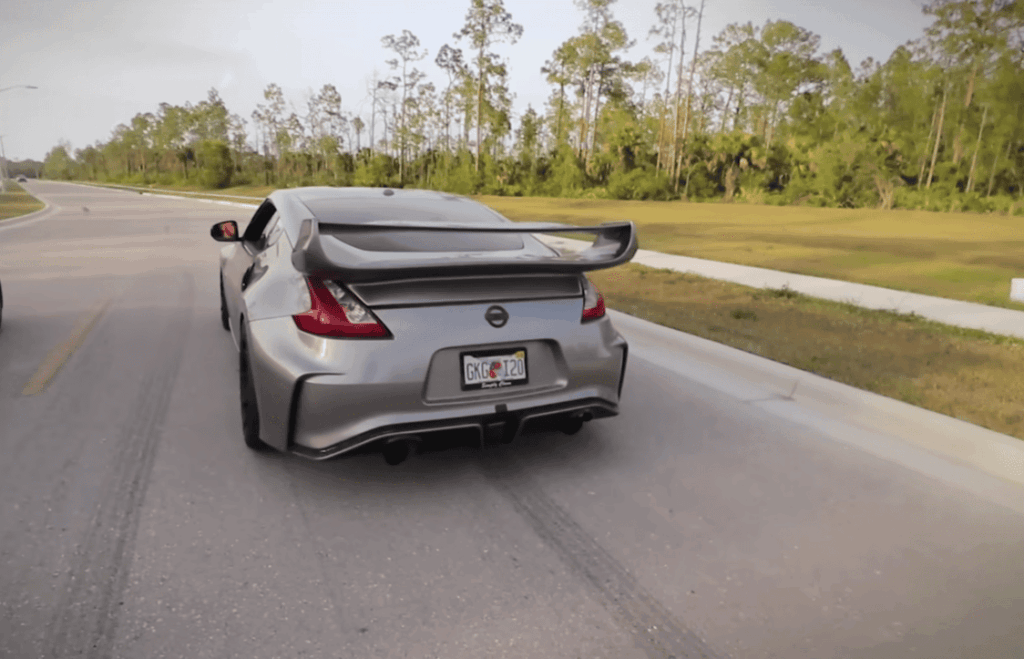
Its successor presents a sleeker, more contemporary appearance. At 167.5 inches long and 72.6 inches wide, this car sits slightly shorter but noticeably wider. The lower, planted stance enhances both visual appeal and aerodynamic performance.
These dimensional changes serve functional purposes beyond aesthetics. The wider track improves stability during high-speed driving. Reduced weight by 61 pounds contributes to better handling dynamics.
Specific design upgrades include sharper body lines and modern lighting elements. LED daytime running lights and distinctive “boomerang” taillights give the newer vehicle a fresh look. Improved wheels and rear diffuser complete the sporty transformation.
The evolution demonstrates careful refinement rather than radical change. Both cars share the same fundamental sports car philosophy. Yet the updated design delivers improved performance and modern appeal.
Interior Refinements and Technological Advancements
The cabin experience reveals one of the most significant upgrades between these two Z-car generations. While the earlier model focused on pure driving fundamentals, its successor delivers a more polished environment.
Upgraded Materials and Comfort Features
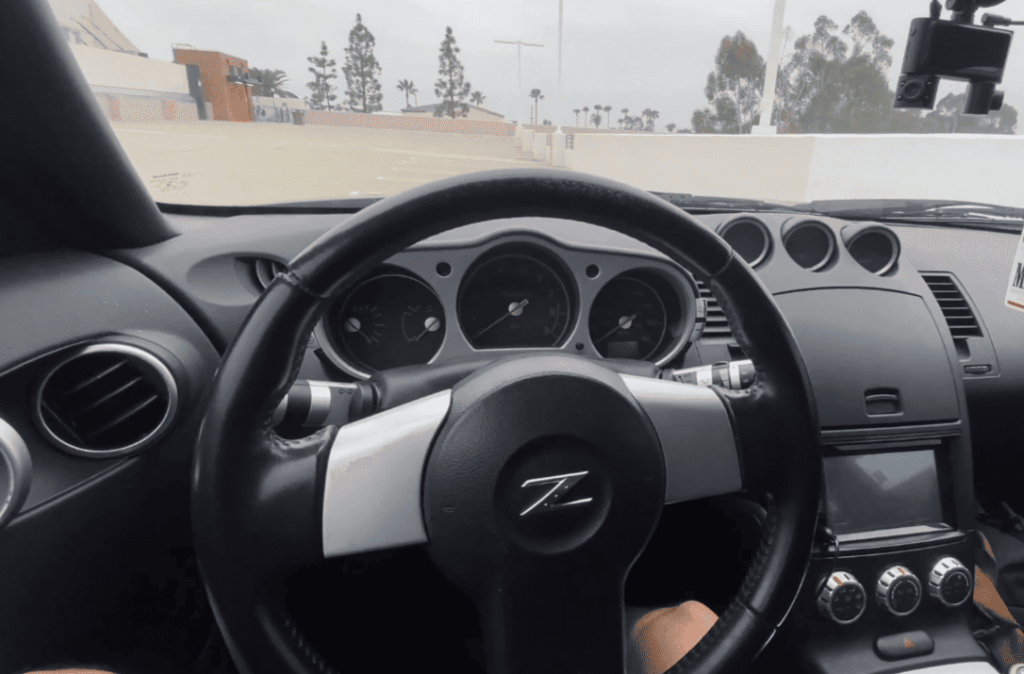
The fifth-generation vehicle featured functional but basic cabin materials. Hard plastics dominated the interior, reflecting early 2000s design trends.
Nissan addressed these criticisms with substantial improvements. The newer model introduced soft-touch surfaces and premium finishes throughout the cockpit.
Seating comfort received notable attention. Better bolstering and optional leather upholstery enhance support during spirited driving. Heated seats add convenience for daily use.
Dashboard and Infotainment Enhancements
Technological features represent another area of major advancement. The updated model includes modern conveniences that were rare in its predecessor.
A premium Bose audio system delivers superior sound quality. Integrated navigation and Bluetooth connectivity became standard features. The instrument cluster provides clearer information displays.
| Feature | Earlier Model | Updated Model |
|---|---|---|
| Primary Materials | Hard plastics | Soft-touch surfaces |
| Audio System | Standard unit | Premium Bose system |
| Connectivity | Limited options | Bluetooth standard |
| Transmission Options | 5-speed automatic | 7-speed automatic |
| Special Features | Basic amenities | Push-button start, paddle shifters |
Transmission options showcase thoughtful evolution. Both vehicles offer six-speed manual gearboxes. However, the newer model introduces the innovative SynchroRev Match system for perfect downshifts.
Automatic transmission choices differ significantly. The upgrade from five to seven speeds provides smoother performance. Wheel-mounted paddle shifters offer more engaging gear selection.
Driving Dynamics, Suspension, and Handling
Behind the wheel, the handling characteristics of each generation tell a distinct story about design priorities. The driving experience varies significantly between these sports cars.
Both vehicles offer unique approaches to performance. Their suspension engineering reflects different philosophies about what makes a great sports car.
Suspension Setups and Steering Response
The earlier model features a sophisticated dual ball joint front suspension system. This setup provides razor-sharp precision for track racing and aggressive driving.
Many enthusiasts consider this system superior for ultimate performance. It delivers a racer-style feel that connects the driver directly to the road.
The updated model switched to a simpler double-wishbone design. This change prioritized stability and comfort over pure racing performance.
Some drivers note the newer setup feels slightly “floaty” compared to the precise older system. However, it offers better high-speed stability for everyday driving.
Impact of Weight and Chassis Rigidity
The newer car weighs 61 pounds less than its predecessor. This weight reduction improves agility and responsiveness.
Enhanced torsional rigidity creates a tauter chassis feel. The car responds more directly to steering inputs during spirited driving.
Uprated brakes provide superior stopping power for track day use. They resist fade better during repeated hard braking situations.
| Feature | Earlier Model | Updated Model |
|---|---|---|
| Front Suspension | Dual ball joint system | Double-wishbone design |
| Steering Feel | Precise, racer-style | Stable, comfortable |
| Chassis Rigidity | Standard | Enhanced torsional |
| Braking Performance | Competent | Uprated system |
| Weight Advantage | Heavier | 61 pounds lighter |
The power-to-weight ratio improvement makes controlled oversteer more engaging. Throttle response feels more urgent when the rear wheels break loose.
Market Value, Pricing, and Ownership Experience
Beyond performance specs and styling, the real-world costs of owning these iconic vehicles deserve careful consideration. Smart buyers evaluate both initial investment and long-term expenses.
New vs. Used Pricing Trends
The earlier generation offered an accessible entry point into sports car ownership. Base models started under $27,000, with premium versions reaching over $35,000.
Today’s used market shows significant value differences. Well-maintained examples typically range from $8,000 to $15,000 depending on condition and mileage.
Cost of Ownership and Depreciation Insights
Depreciation patterns reveal interesting trends over time. The older model’s values have largely stabilized at the bottom of their curve.
Fuel economy remains similar for daily use, averaging 19-26 mpg. The updated transmission provides slightly better efficiency for regular driving.
| Financial Aspect | Earlier Generation | Updated Generation |
|---|---|---|
| Original Price Range | $27K – $35K+ | $30K – $45K+ |
| Current Used Range | $8K – $15K | $15K – $30K+ |
| Fuel Economy | 19-26 mpg | 19-26 mpg |
| Transmission Options | 5-speed automatic | 7-speed automatic |
Insurance costs and maintenance expenses vary by location and driving history. Finding unmodified, well-cared-for examples requires patience but pays off long-term.
Conclusion
The final decision in this comparison rests on what matters most to you as a driver. Both vehicles deliver the legendary Z-car experience in their own unique way.
The earlier model offers an excellent entry point into sports car ownership. Its raw driving feel and stable pricing make it a smart choice for budget-conscious enthusiasts.
The updated version provides more power and modern refinements. This car suits drivers wanting a well-rounded machine for both daily use and track day fun.
Your best bet is to experience both cars firsthand. The right choice depends on your personal connection to each model’s character and capabilities.