
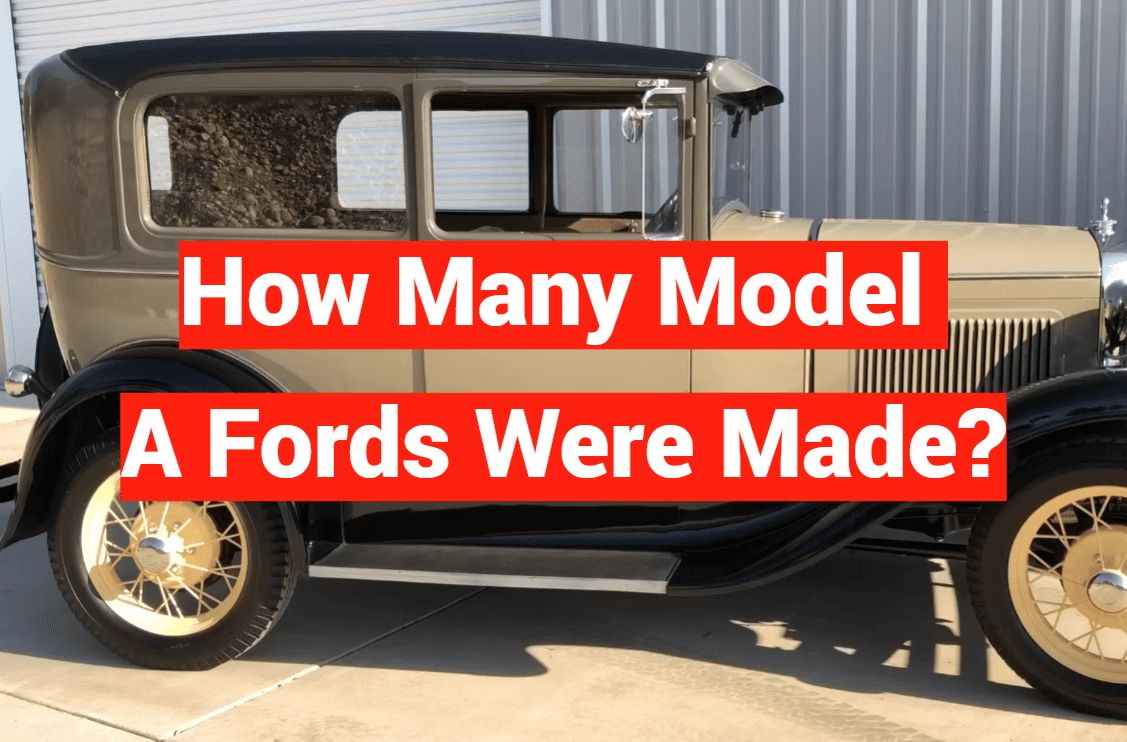
Imagine an American road in 1930. Over three million of those vehicles rolling past were the brand new Ford Model A. This staggering number was achieved in just over two years.
The production story of this iconic automobile is a tale of immense success. From late 1927 to early 1932, factories built an incredible 4.8 million units. This ford model replaced the legendary Model T and captured the nation’s heart.
This achievement is even more remarkable considering the timing. The Great Depression began during its production run. Yet, demand for this stylish and reliable car remained incredibly strong.
We will explore the complete timeline of this manufacturing triumph. You will see the key milestones that made this vehicle a cornerstone of automotive history. Its legacy continues to fascinate collectors and enthusiasts today.
Key Takeaways
- The Ford Model A had a total production run of approximately 4.8 million vehicles.
- Manufacturing spanned from October 1927 through March 1932.
- It achieved the milestone of one million sales in under 16 months.
- This model ford succeeded the massively popular Model T.
- Its production success occurred alongside the onset of the Great Depression.
- These cars remain highly popular with collectors and historians today.
- The vehicle represented a significant leap in style and comfort for its era.
History and Background of the Ford Model A
The late 1920s marked a pivotal crossroads for Ford Motor Company as consumer tastes evolved beyond basic transportation. After 18 successful years, the legendary Model T showed its age against modern competitors.
General Motors and others offered vehicles with more powerful engines and stylish features. Buyers now wanted comfort and customization, not just reliability.
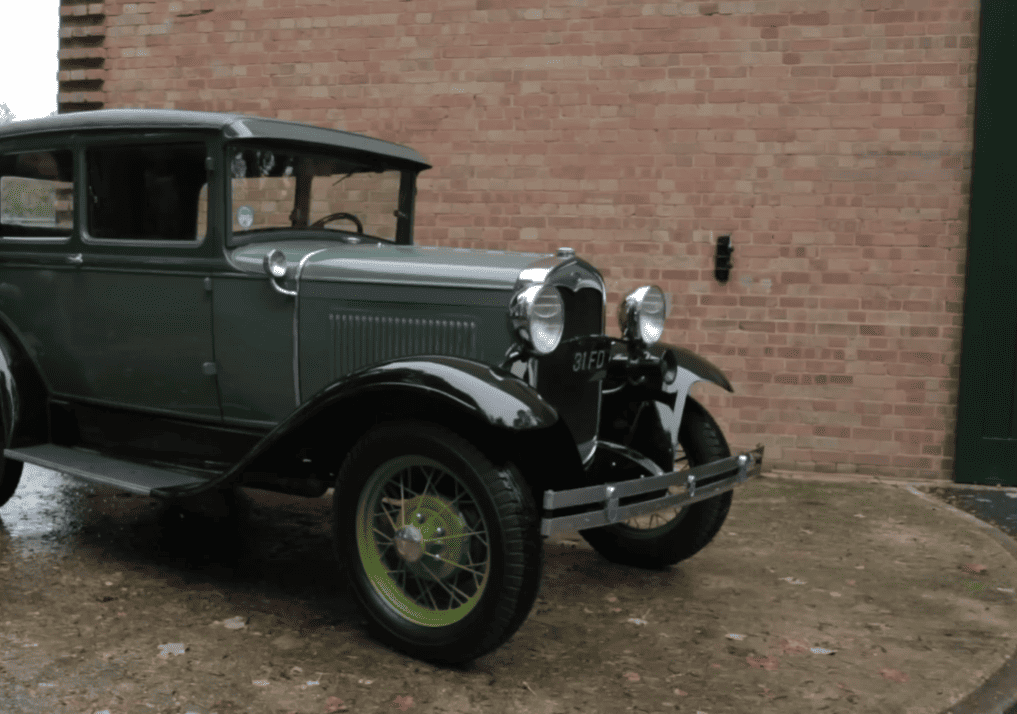
From Model T to Model A: The Transition
Henry Ford initially resisted creating a replacement for his beloved Model T. He believed the iconic vehicle still had plenty of life remaining. His son Edsel Ford recognized changing market demands.
Pressure mounted as sales declined throughout the mid-1920s. Edsel and company executives pushed for a completely new model. The automotive landscape demanded innovation.
Development challenges revealed philosophical differences. Henry preferred traditional drop forgings while engineers advocated for cost-effective die stamping. This tension shaped the final production approach.
Early Development and Industry Impact
Edsel Ford led the design team, bringing modern aesthetic sensibilities to the project. He understood what consumers desired in their next car. His vision balanced style with practical manufacturing.
The resulting vehicle represented more than just a new model ford. It signaled Ford’s shift toward “flexible mass production.” The rigid systems that made the Model T successful now limited progress.
This transition period fundamentally changed how the company approached vehicle design. The lessons learned influenced future models and manufacturing strategies. The automotive industry would never look the same.
Production Insights: How many model a fords were made
When examining the production records from 1927 to 1932, the numbers tell a story of remarkable industrial efficiency. The manufacturing statistics for this ford model reveal an achievement that still impresses automotive historians today.
Record-Breaking Production Figures
The total output reached approximately 4.8 million vehicles during its run. This translates to nearly one million cars produced each year on average.
Manufacturing occurred over 53 consecutive months. The pace accelerated dramatically as production systems optimized.
“The speed at which Ford achieved these production milestones demonstrated American manufacturing capability at its finest.”
Timeline of Production Milestones
The first million units arrived in just over a year. The second million took only 170 days to complete.
By March 1930, the third million had been achieved. The 1930 model year featured nine different body styles to meet diverse consumer preferences.
| Milestone | Date Achieved | Production Time |
|---|---|---|
| First Million | February 4, 1929 | Approximately 16 months |
| Second Million | July 24, 1929 | 170 days |
| Third Million | March 1930 | 230 days |
| Final Production | March 1932 | 53 total months |
These impressive figures occurred during challenging economic times. The manufacturing success established new benchmarks for the automotive industry.
Design, Features, and Legacy of the Model A
What truly set this vehicle apart from its predecessor was an incredible diversity of body styles that catered to every American lifestyle. The engineering advancements made it both stylish and practical for daily use.
Diverse Body Styles and Customization Options
Buyers could choose from over a dozen different configurations. Options ranged from basic roadsters to luxurious town cars. Each body style served specific needs and budgets.
| Body Style | Units Produced | Starting Price |
|---|---|---|
| Standard Tudor Sedan | 1,387,270 | $500 |
| Truck Variants | 539,786 | $450 |
| Roadster | Various | $385 |
| Town Car | 1,198 | $1,400 |
Engineering Innovations and Design Challenges
The 201 cubic inch engine delivered 40 horsepower. This provided a top speed around 65 mph. The three-speed transmission offered smoother shifting.
“The Model A’s controls became the industry standard, making driving accessible to everyone.”
Four-wheel mechanical brakes improved safety. The fuel tank placement allowed simple gravity feed. Safety glass in the windshield was revolutionary.
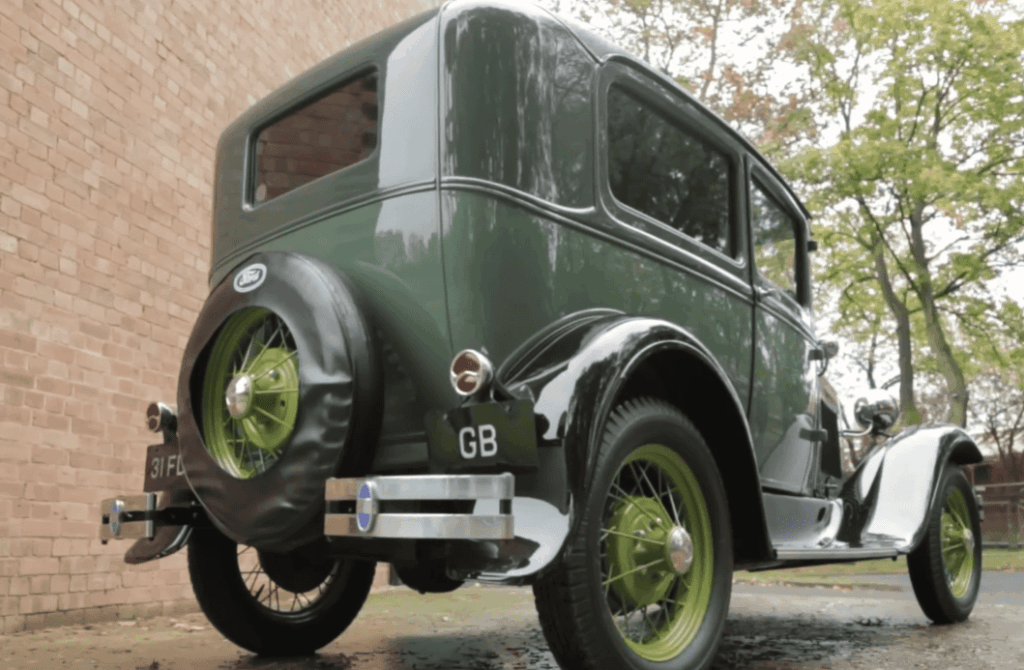
The Model A’s Enduring Impact on Automotive Culture
This vehicle became the foundation of hot rod culture. The 1931 roadster remains particularly popular with enthusiasts. Custom builders created legendary show cars.
These automobiles continue to captivate collectors today. Their durability and style ensure they remain on roads worldwide. The legacy lives on through active enthusiast clubs.
Conclusion
Between 1927 and 1932, an automotive revolution unfolded across American factories and highways. The production achievement of approximately 4.8 million units represents one of history’s most successful vehicle launches. This incredible output occurred during challenging economic times.
The legacy extends far beyond impressive numbers. These vehicles bridged the gap between basic transportation and modern comfort. They fundamentally influenced American car culture and design principles that manufacturers still reference today.
From common sedans to rare town car models, the variety ensured Ford could serve every market segment. This article’s content demonstrates that the vehicle showcased American manufacturing capability at its finest. The story remains relevant for automotive enthusiasts across generations.
Understanding this production history provides valuable insight into a pivotal transportation moment. The enduring appeal of well-engineered vehicles continues to captivate collectors and historians alike.