
Did you know that over 70% of modern diesel vehicles will experience a clogged particulate filter at some point? This common issue can lead to reduced performance, poor fuel economy, and expensive repair bills if not addressed properly.
Your diesel engine contains an essential emissions control device that traps harmful soot particles. This component requires periodic cleaning through a special process to maintain optimal function. Without proper maintenance, your truck or SUV could face serious performance problems.
Most contemporary diesel automobiles are designed to clean this filter automatically during normal driving. However, frequent short trips and stop-and-go city traffic often prevent the automatic cleaning cycle from completing successfully. This leaves many owners facing warning lights and limited power.
This comprehensive manual will walk you through the entire process of performing this essential maintenance procedure yourself. With the right preparation and safety measures, most diesel owners can successfully complete this task without professional help.
You’ll learn when this cleaning is necessary, what conditions must be met, which tools are required, and how to execute the process safely. We’ll also compare costs between professional service and doing it yourself, helping you make smart decisions about your automobile maintenance.
Key Takeaways
- Understanding when your diesel vehicle needs filter maintenance
- Essential safety precautions before starting the process
- Required tools and equipment for successful completion
- Step-by-step instructions for the cleaning procedure
- Recognizing when professional help is necessary
- Cost comparison between DIY and dealership service
- Maintenance tips to prevent future clogging issues
Introduction to Diesel Particulate Filters and Forced Regeneration
The automotive industry has implemented critical components to ensure cleaner diesel engine operation. These systems play a vital role in reducing environmental impact while maintaining vehicle performance.
Overview of Diesel Particulate Filters (DPF)
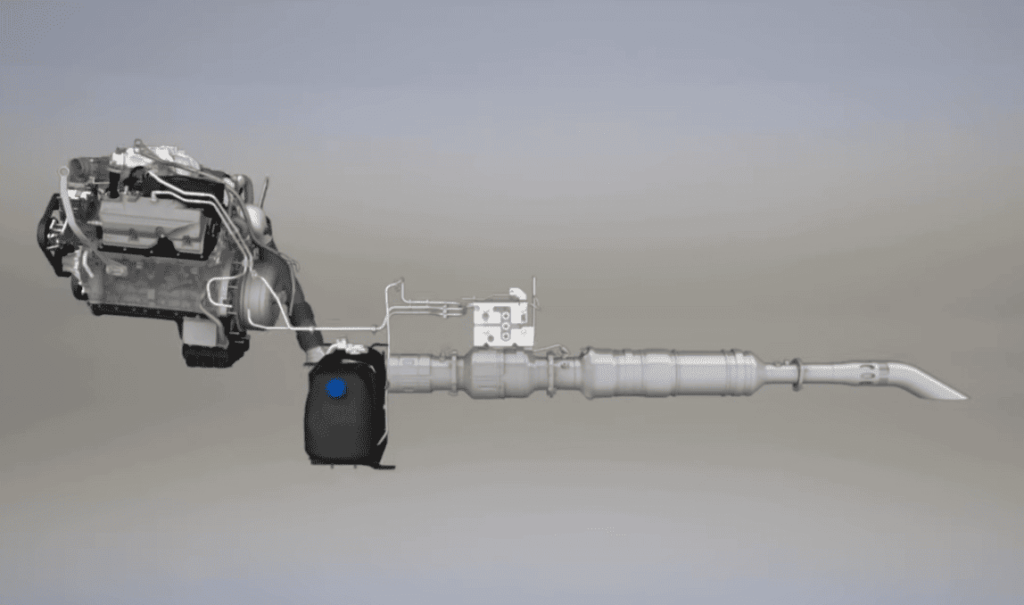
Modern diesel vehicles feature specialized particulate filters in their exhaust systems. These devices capture harmful soot particles that would otherwise pollute the air.
The filter acts as a physical barrier trapping microscopic contaminants. During normal driving, the system gradually collects these particles. This accumulation can eventually restrict exhaust flow if not properly managed.
Why Forced Regeneration Is Needed
Diesel engines typically clean their particulate filters automatically during optimal driving conditions. However, city commuting and short trips often prevent this self-cleaning process from completing successfully.
When automatic cleaning fails, manual intervention becomes necessary. This process helps maintain engine efficiency and prevents potential damage from complete filter blockage.
| Cleaning Method | Trigger Conditions | Typical Usage | Success Rate |
|---|---|---|---|
| Automatic System | Highway driving, optimal temperature | Regular maintenance | 70-80% |
| Manual Process | Filter warning light, restricted flow | Emergency intervention | 90-95% |
| Professional Service | Severe clogging, system errors | Last resort solution | 98-100% |
Understanding these cleaning methods helps vehicle owners make informed maintenance decisions. Proper filter care ensures better performance and longer system lifespan.
Understanding the Role and Importance of DPF
Diesel vehicle owners should understand how their emission control systems work to prevent costly repairs and maintain efficiency. This knowledge helps you recognize early warning signs and take appropriate action before minor issues become major problems.
How DPFs Clean Exhaust Emissions
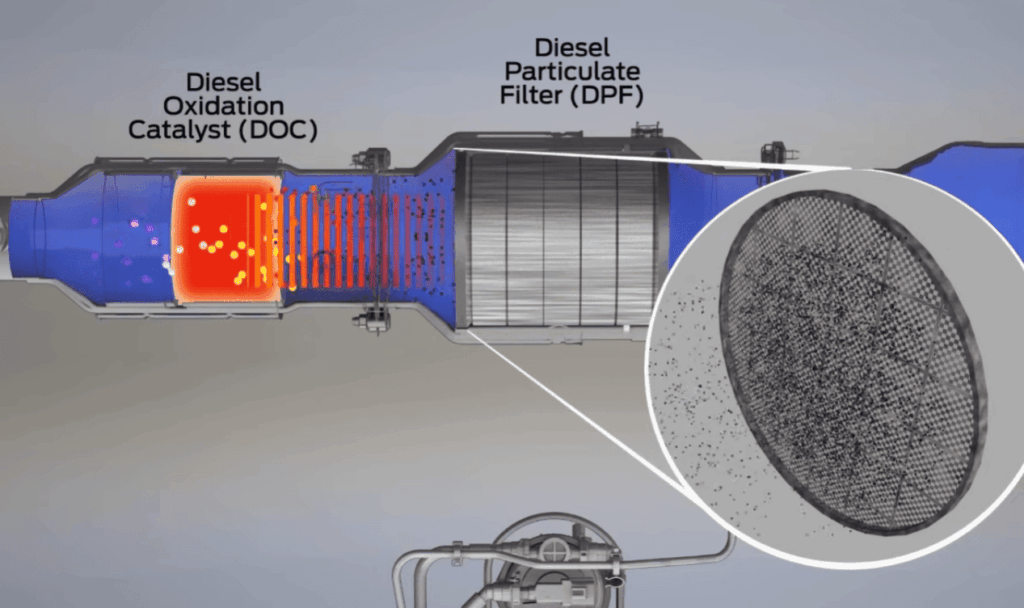
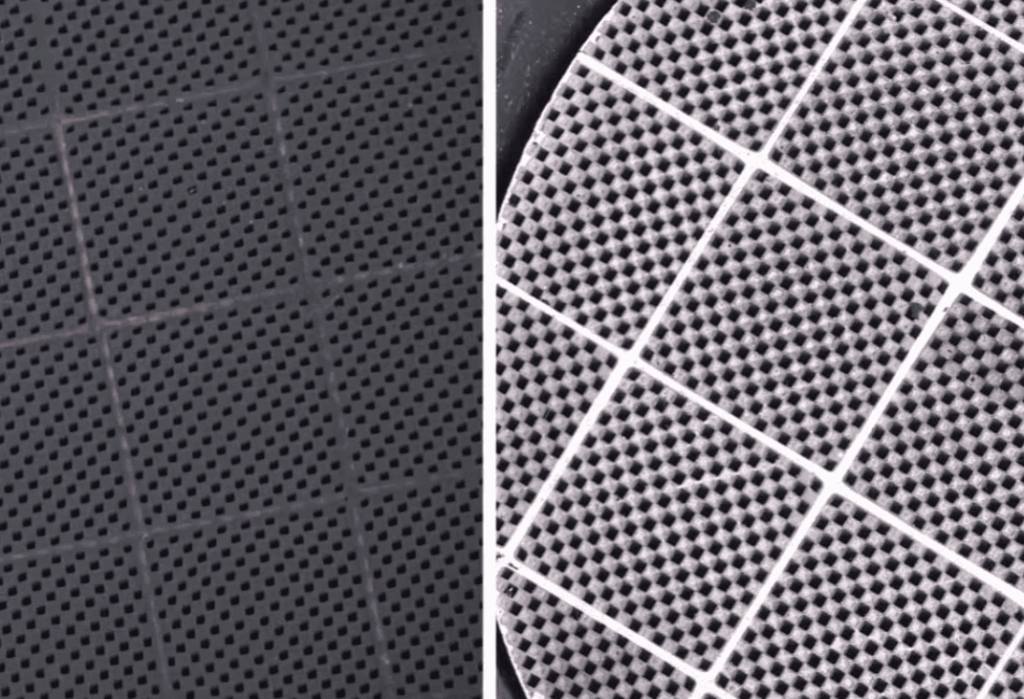
The particulate filter uses a honeycomb ceramic structure to trap harmful particles from the exhaust stream. This design allows gases to flow through while capturing solid contaminants that would otherwise pollute the air.
Modern vehicles monitor filter condition using differential pressure sensors. These devices measure resistance to exhaust flow, with increasing pressure indicating higher soot accumulation. The system alerts you when cleaning becomes necessary.
Common Signs of DPF Clogging
Watch for dashboard warning lights specifically indicating filter issues. Performance symptoms include reduced engine power, sluggish acceleration, and increased fuel consumption. Your vehicle may enter “limp mode” to prevent damage.
Severe restrictions can cause black, sooty exhaust smoke and unusual smells. Ignoring these signs risks damage to expensive components like the turbocharger. Early detection saves thousands in repair costs.
Some vehicles display messages instructing continued highway driving to allow automatic cleaning. Recognizing these prompts helps maintain your engine’s health and performance.
Preparing Your Vehicle for Forced Regeneration at Home
Proper preparation separates successful DIY maintenance from frustrating failures. Your car’s computer has specific requirements that must be met before it will allow the cleaning process to begin. Skipping these steps guarantees the procedure won’t start.
Verifying Engine Temperature and Fuel Level
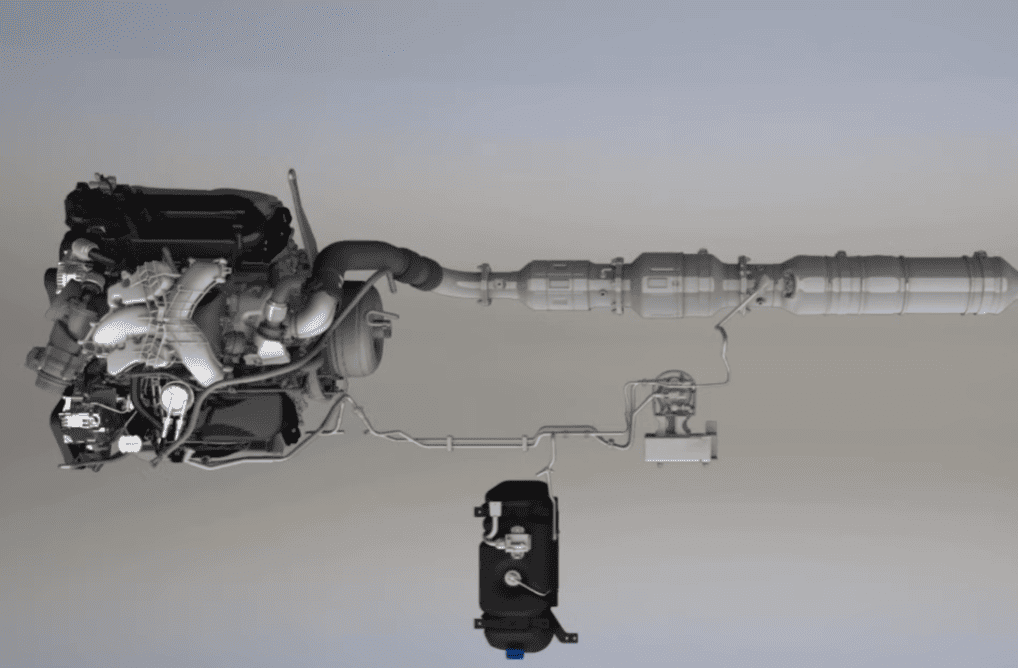
Your engine must be fully warmed to normal operating temperature. This heat is essential for burning away soot deposits effectively. Check your dashboard gauge to confirm.
Also verify your fuel tank is at least one-quarter full. The system needs extra fuel to create the intense heat required. A low fuel level will cancel the entire operation.
If the engine or oil temperature is too low, take your vehicle for a 15-20 minute highway drive. This properly warms all systems for the task ahead.
Checking and Resolving Fault Codes
Connect an OBD2 scanner to check for active fault codes. Your vehicle’s computer will block the process if it detects problems. This safety feature protects your engine from damage.
Common issues that trigger warning messages include:
- P2002: Filter efficiency below threshold
- P2459: Excessive cleaning frequency needed
If your scanner shows “requirements not met,” check for low temperature, insufficient fuel, or sensor problems. Address any fault codes before attempting the procedure. This ensures your car is ready for a successful cleaning cycle.
dpf forced regeneration at home: A Step-by-Step Process
Many diesel owners find themselves needing to manually trigger the cleaning process when automatic systems fail to complete. This hands-on approach gives you control over your vehicle’s maintenance schedule.
Using an OBD2 Scanner to Initiate Regeneration
Always start by checking your owner’s manual. Different manufacturers have specific requirements for this procedure. Your car’s computer needs precise conditions to allow the cleaning cycle.
Connect your OBD2 scanner to the diagnostic port under your dashboard. Navigate through the menu to find the emissions or engine service options. Look for the particulate filter maintenance function.
Follow the scanner’s prompts carefully to begin the cleaning cycle. The engine must remain running throughout the entire process. Never turn off your vehicle during this critical maintenance step.
Monitoring the Regeneration Process
The cleaning typically takes 10 to 30 minutes depending on soot buildup. Watch your scanner for progress indicators and temperature readings. The system increases exhaust heat to burn away accumulated particles.
You might notice higher engine RPM or unusual exhaust smells during this time. These are normal signs that the process is working correctly. The scanner will display a completion message when finished.
After the cycle completes, let your engine idle briefly before shutting it off. Allow everything to cool down before driving your vehicle again. This ensures proper system stabilization.
Essential Tools and Safety Precautions for DIY Regeneration
Safety should always be your top priority when undertaking any automotive maintenance procedure, especially those involving high temperatures. Having the right equipment and following proper protocols ensures both your protection and the success of the cleaning process.
Necessary Equipment and Protective Gear
Start with a quality OBD2 diagnostic scanner like the FOXWELL NT710 for standard vehicles. For heavy-duty trucks with Cummins, CAT, or Detroit engines, consider specialized tools like the Foxwell HD500.
Always keep your owner’s manual nearby for manufacturer-specific guidance. Wear heat-resistant gloves and safety glasses to protect against hot components and fumes. Keep a fire extinguisher readily available as the process generates extreme heat.
Choosing a Safe, Well-Ventilated Location
Never perform this maintenance in enclosed spaces like garages. Exhaust systems can reach 600°C (1118°F) during the procedure. Choose an open, well-ventilated area away from buildings and flammable materials.
Park your truck on level ground with the transmission in park and parking brake engaged. Maintain a safe distance from the exhaust outlet to avoid burns. Continuous monitoring is essential throughout the entire process.
“Proper preparation prevents poor performance. The right tools and safety measures make all the difference in successful automotive maintenance.”
| Equipment Type | Standard Vehicles | Heavy-Duty Trucks | Safety Priority |
|---|---|---|---|
| Diagnostic Scanner | FOXWELL NT710 | Foxwell HD500 | Essential |
| Protective Gear | Gloves & Glasses | Heat-Resistant Gear | Critical |
| Safety Equipment | Fire Extinguisher | Multiple Extinguishers | Mandatory |
| Workspace Requirements | Open Area | Large Ventilated Space | Non-Negotiable |
Cost Considerations and When to Seek Professional Help
Understanding the financial aspects of particulate filter maintenance helps you make smart decisions about your vehicle’s care. Knowing when to handle things yourself versus when to call a professional can save you significant money and prevent costly mistakes.
Comparing DIY and Professional Service Costs
A quality diagnostic scanner typically costs about the same as one professional cleaning service. Shop visits for manual cleaning usually range from $100 to $300.
When the manual process fails, deeper professional cleaning becomes necessary. This specialized service costs $250 to $600 but removes hardened ash that DIY methods cannot eliminate.
Complete filter replacement represents the most expensive outcome, ranging from $2,500 to over $8,000. This makes preventive maintenance the most cost-effective approach for long-term savings.
Long-Term Maintenance and Prevention Tips
Your filter’s lifespan directly relates to your driving habits. With proper care, these components typically last 100,000 to 150,000 miles before needing replacement.
Frequent short trips may require cleaning every 300-500 miles. Highway driving promotes natural cleaning and reduces the need for manual intervention.
Regular longer drives, quality fuel, and proper oil changes significantly extend your system’s life. Consider professional service every 100,000 miles as preventive maintenance, even without warning lights.
Conclusion
Taking control of your diesel vehicle’s maintenance needs can save you significant money while keeping your engine running smoothly. This guide has shown that understanding your particulate filter system and recognizing warning signs are essential skills for any diesel owner.
Proper preparation makes all the difference in successful maintenance. Always check your engine temperature, fuel level, and resolve any fault codes before starting the cleaning process. Safety remains your top priority throughout every step.
Remember that while manual cleaning effectively removes soot buildup, it cannot eliminate hardened ash accumulation. Regular highway driving helps maintain your system naturally between manual interventions.
You now have the knowledge to keep your diesel vehicle performing efficiently for years to come. With careful attention and the right approach, you can prevent costly repairs and enjoy optimal engine performance.