
Did you know that in cold weather, a diesel engine can struggle to start if its glow plugs fail? This is a common issue that affects many drivers.
If your dashboard warning light is on, you might be dealing with a specific trouble code. This particular fault relates to the vehicle’s starting aid system.
Many owners of this popular SUV have reported this problem during longer trips. It can sometimes lead to other issues, like the stop-start system not working correctly.
The good news is that this is often a simple and inexpensive fix. Some people have solved it themselves for a very low cost, just by replacing a single part.
This guide uses real-world experiences to give you practical advice. You don’t need to be a professional to understand and address this engine fault.
Whether your car is hard to start or has other symptoms, finding the root cause is the first step. You can get your vehicle running smoothly again without a huge garage bill.
Key Takeaways
- A specific fault code often points to an issue with the vehicle’s cold-start system.
- This problem is common and can cause other features, like stop-start, to malfunction.
- Many drivers have successfully fixed this issue themselves at a very low cost.
- Understanding the cause is the first step toward a solution.
- Basic tools and a methodical approach can save you money on professional repairs.
Overview of the Nissan Qashqai P0380 Error Code
The secret to smooth cold starts in diesel vehicles lies in a critical heating system that many drivers rarely think about. This system ensures your engine fires up reliably, even when temperatures plummet.
Understanding the Role of Glow Plugs and Heater Circuits
Your vehicle’s glow plug system consists of heating elements in each cylinder. They heat up rapidly when you turn the ignition key. This creates ideal conditions for diesel fuel combustion.
Unlike gasoline engines that use spark plugs, diesel engines rely on compression and heat. The glow plugs provide that essential initial heat boost during cold starts.
The plug heater circuit is controlled by your vehicle’s Powertrain Control Module (PCM). This smart system monitors coolant temperature to determine when to activate the heating elements. It ensures efficient engine starting and smooth operation.
Recognizing Symptoms and Warning Indicators
Common symptoms include extended illumination of the glow plug warning light. You might also experience difficulty starting your engine, especially on cold mornings.
Other signs include rough idling immediately after start-up. Some owners notice their stop-start system malfunctions when this issue occurs. The dashboard warning light provides the first clue that something needs attention.
When the heater circuit has a malfunction, it can affect multiple components. The system involves wiring, relays, fuses, and the PCM itself. Any fault in this chain can trigger warning indicators.
Diagnosing nissan qashqai error code p0380
Proper diagnosis begins with understanding that electrical faults require methodical testing rather than guesswork. This approach saves both time and money by pinpointing the exact issue.
Step-by-Step Diagnostic Process
Start by retrieving stored trouble codes using an OBD-II scanner. Confirm the specific fault code before proceeding further.
Check for any additional related codes that might indicate broader electrical problems. This helps determine if you’re dealing with a single component failure or a more complex circuit issue.
Begin physical inspection with the glow plug circuit fuse. A blown fuse is an easy fix, but you must investigate why it failed to prevent recurrence.
Carefully examine all wiring for damage like frayed insulation or corroded connections. Look for loose connectors and signs of heat damage that could cause circuit problems.
Essential Tools and Testing Methods
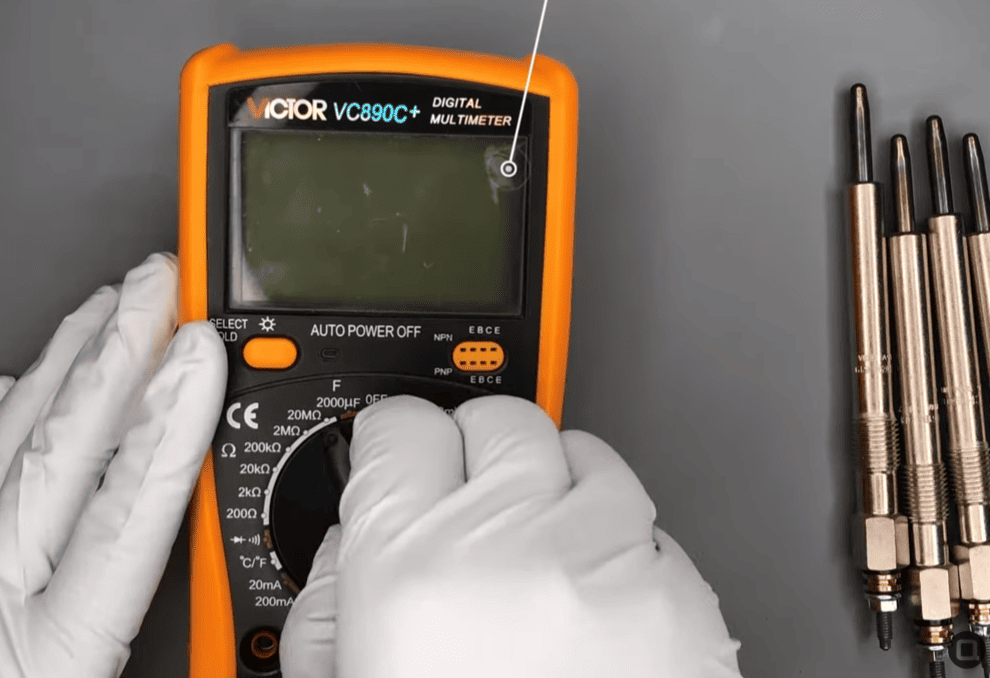
The most critical test involves measuring glow plug resistance using a digital multimeter. Set your meter to the ohmmeter function for accurate readings.
You’re looking for resistance values between 0.7 and 2 Ohms per plug. This indicates the heating element inside is functioning properly. Faulty plugs show infinite resistance.
One practical tip from experienced mechanics: test plugs without removing them from the engine. Simply disconnect the power wire and touch your meter probes between the plug terminal and a good ground point.
Forum members report success with inexpensive electrical meters. One owner discovered a single faulty plug showing zero resistance, while others read normal. Replacing that one plug resolved their battery of problems completely.
Troubleshooting and Fixing Engine Glow Plug Issues
Community forums have become invaluable resources for DIY mechanics facing common engine starting problems. Many vehicle owners share their real-world experiences, providing practical solutions that often work better than generic repair advice.
Inspecting Wiring, Fuses, and Relay Components
Start by carefully examining all electrical connections to your glow plugs. Look for corrosion or damage on the wiring that could interrupt power flow.
Check the glow plug relay in your engine compartment fuse box. This component controls when the heating elements receive electricity. A faulty glow plug relay can cause the entire system to malfunction.
Testing Glow Plug Resistance and Circuit Performance
Use a digital multimeter to measure resistance across each plug. You’re looking for consistent readings between 0.7 and 2 Ohms. Significant variations indicate a problem.
Forum members suggest testing whether each glow plug receives proper power when you turn the ignition. This helps identify circuit issues beyond the plugs themselves.
Applying Proven Repair Techniques from Community Forums
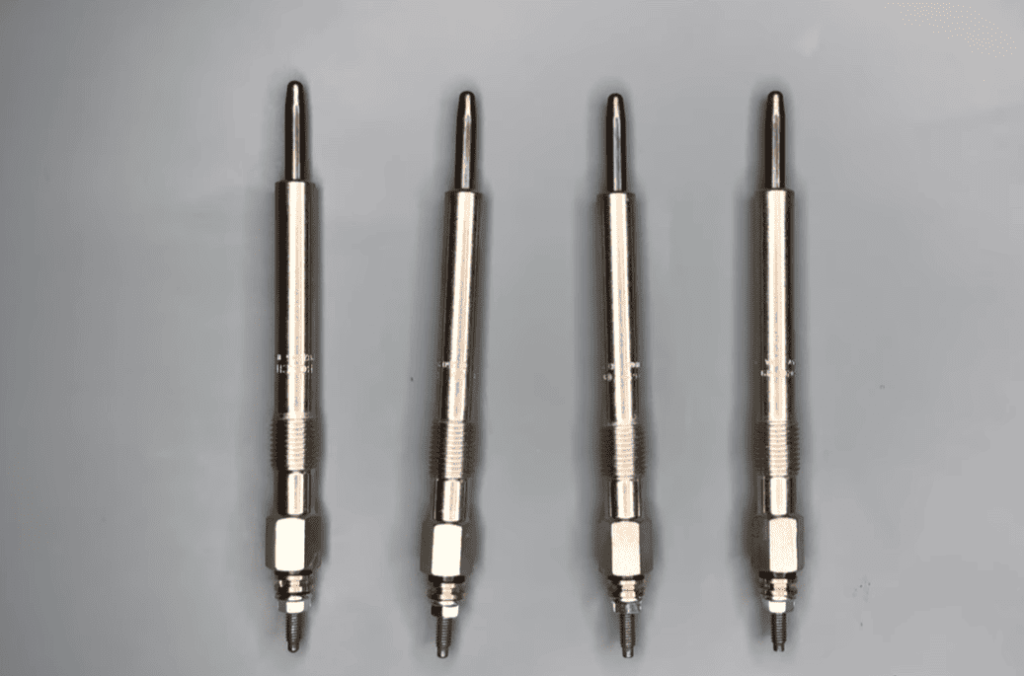
When replacing a faulty glow plug, always start threading by hand to avoid damaging the cylinder head. One owner reported solving persistent issues by replacing just one defective unit for under $15.
“After testing all four plugs, I found one with zero resistance,” shared a forum contributor. “The simple replacement fixed my stop-start system problems completely.”
Remember to clear stored codes after repairs and test drive your vehicle. This confirms whether your fix addressed the root cause of the starting difficulties.
Conclusion
Many vehicle owners successfully address heating circuit malfunctions using basic tools and systematic testing. This approach transforms what seems like a complex engine problem into a manageable DIY project.
The heating system’s design means failures typically occur at predictable points. Faulty glow plugs are the most common culprit, but wiring issues or relay problems can also trigger the same symptoms. A methodical check of each component usually reveals the root cause.
Remember that prompt attention to heating system warnings prevents more serious issues. Your vehicle’s reliability, especially in cold weather, depends on a properly functioning ignition system. With the right approach, you can keep your car starting smoothly for years to come.