
Did you know the average driver will encounter at least one noticeable dent on their vehicle every two years? That sudden discovery in a parking lot can be incredibly frustrating.
Whether it’s from hail, a stray shopping cart, or a minor parking incident, this guide is here to help. We understand that feeling. Your automobile is a big investment, and its appearance matters.
This comprehensive resource will walk you through everything you need to know. You’ll learn about different types of damage and the various solutions available. Options range from simple do-it-yourself methods to professional services.
Addressing these issues promptly is crucial. It’s not just about looks. Proper care preserves your vehicle’s resale value and prevents rust. It also helps avoid potential safety concerns.
We will cover step-by-step processes you can try at home. You’ll also learn when it’s smarter to call in an expert. With the right knowledge, you can make a confident decision for your specific situation.
Key Takeaways
- Small dings and dents are a common occurrence for car owners.
- Prompt attention prevents rust and maintains your vehicle’s value.
- DIY methods can be a cost-effective solution for minor damage.
- Understanding the type of dent is key to choosing the right repair method.
- Professional services are recommended for larger or more complex damage.
- Modern car bodies require specific techniques for successful repair.
Understanding Car Dent Challenges
Parking lots and daily driving present numerous hazards that can leave your car’s bodywork looking less than perfect. Even the most careful drivers encounter unexpected damage from various sources. Understanding these common causes helps you prevent and address issues effectively.
Common Causes of Dents
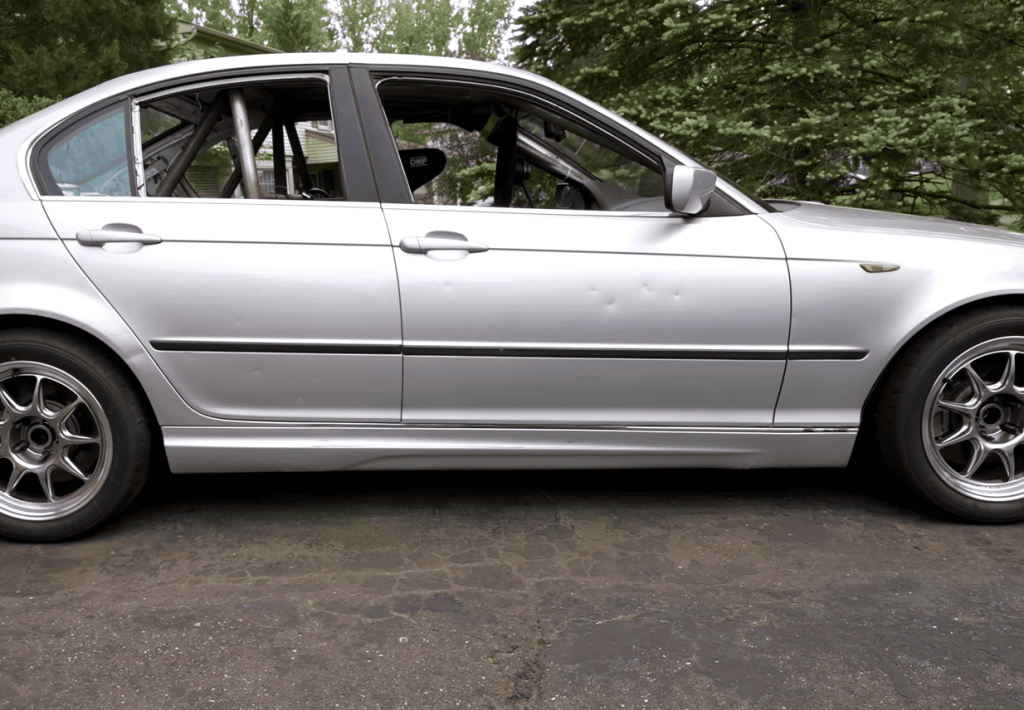
Returning to find a new mark from someone’s carelessly opened door is frustratingly common. Shopping carts rolling freely in parking areas create similar dings on vehicle surfaces.
Outdoor parking exposes automobiles to falling branches during storms. Highway driving brings risks from flying gravel and road debris. Even neighborhood animals can leave surprising impressions on your parked car.
Hailstorms create widespread damage across vehicle roofs and hoods. Minor collisions in parking lots often affect bumper areas. These everyday incidents accumulate over time.
Impact on Vehicle Value and Safety
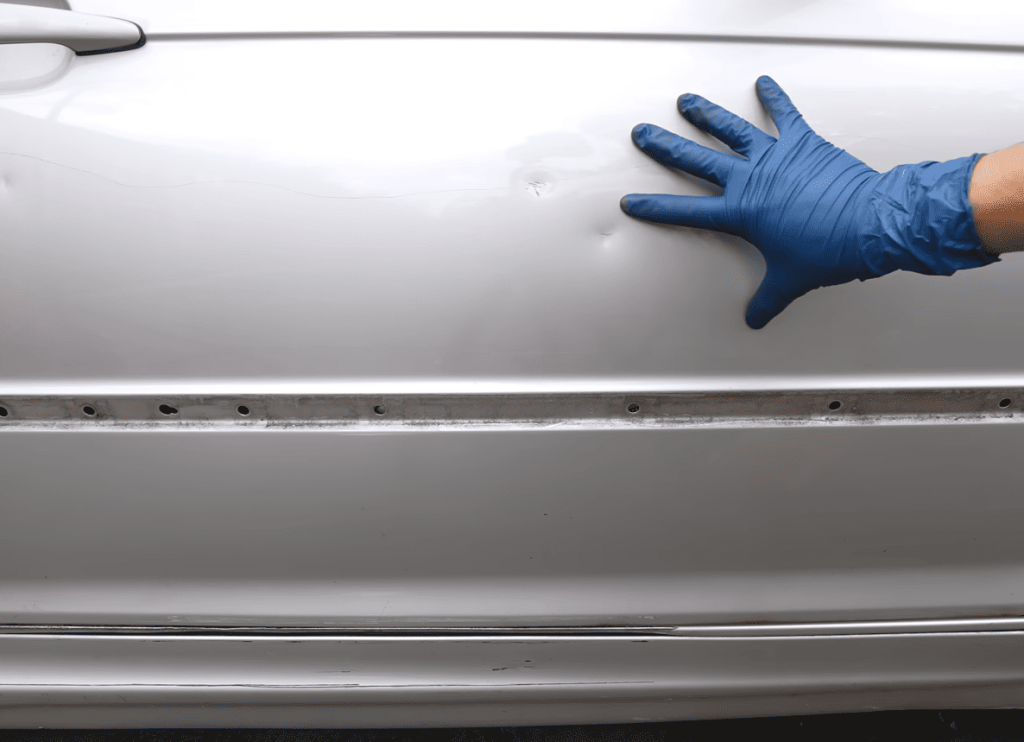
Addressing car dents promptly prevents serious consequences. Moisture reaching exposed metal through paint chips leads to rust formation. This corrosion spreads quickly if ignored.
Your automobile’s resale value drops significantly with visible dents. Potential buyers perceive damaged vehicles as poorly maintained. Well-preserved cars command much higher prices.
Structural integrity matters for safety. While most dings are cosmetic, some can weaken protective elements. Early repair is always more cost-effective than addressing extensive damage later.
Types of Dents and Their Characteristics
Not all vehicle surface imperfections are created equal – each type requires unique consideration. Proper identification helps determine the best repair strategy for your specific situation.
Ding vs. Dent: Key Differences
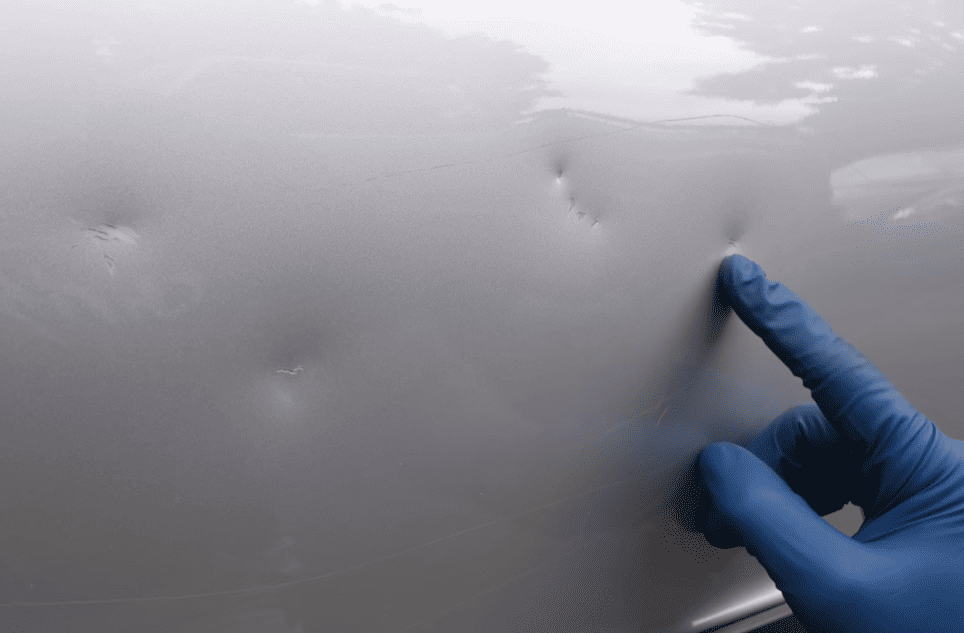
A ding typically refers to a small, shallow imperfection. These minor issues often affect limited surface area and may be suitable for DIY approaches.
True dents involve more significant damage. They cover larger areas and frequently compromise the paint or body panel. Professional assistance becomes more likely with these cases.
Identifying Metal, Plastic, and Severe Dents
Different materials respond differently to impact. Metal panels on doors and fenders behave differently than plastic bumper covers.
Common dent types include:
- Round dents: Circular impressions that often respond well to popping techniques
- Sharp dents: Deep, concentrated divots that challenge repair efforts
- Crease dents: Long folds usually requiring professional attention
Severe cases involve multiple impact points or potential structural concerns. These always warrant expert evaluation.
Understanding your specific damage type empowers smarter repair decisions.
DIY Solutions: How to Fix a Dent in a Car
Before considering expensive professional services, explore these clever do-it-yourself approaches using common items found around your home. Many minor imperfections respond well to simple household solutions.
These diy methods can save you significant money. They work best on small, shallow damage without paint cracks.
Using Household Items like Plunger and Hair Dryer
The classic plunger method works surprisingly well. Wet both the plunger cup and the damaged area. Create strong suction by pushing and pulling firmly.
Another effective approach uses a hair dryer and compressed air. Heat the metal with the dryer on high setting. Then spray upside-down compressed air to rapidly cool the area.
This temperature change makes the metal contract and pop back into shape.
Innovative Methods with Boiling Water and Dry Ice
For plastic bumpers, try the boiling water method. Pour hot water over the dent to soften the plastic. Push from behind while the material is flexible.
Rinse with cold water to set the shape. The dry ice way uses extreme cold. Rub dry ice over the metal while wearing gloves.
The rapid chilling causes contraction that can reverse the damage.
| Method | Tools Needed | Best For | Success Rate |
|---|---|---|---|
| Plunger Technique | Toilet plunger, water | Round dents on flat surfaces | High |
| Hair Dryer & Compressed Air | Hair dryer, compressed air can | Small metal dents | Medium-High |
| Boiling Water Approach | Hot water, cold water | Plastic bumper damage | High |
| Dry Ice Method | Dry ice, protective gloves | Various metal dents | Medium |
| Vacuum Suction | Bucket with hole, vacuum cleaner | Flat surface imperfections | Medium |
Always test these techniques on inconspicuous areas first. Patience and gentle pressure yield the best results.
Step-by-Step Dent Repair: Plastic and Metal Techniques
Plastic bumpers and metal body panels respond differently to impact, requiring tailored repair methods. Understanding these material characteristics ensures successful results for your specific situation.
Plastic Dent Repair Process
Bumper dents are often easier to address because plastic becomes pliable when heated. Start by warming the dented area with a hairdryer until it feels warm.
Spray cool compressed air over the warm surface. This temperature change can pop small imperfections out naturally. For larger issues, attach a dent repair puller and apply firm suction.
Smooth any minor marks that appear during the process with your hands.
Metal Dent Repair Process
For metal panel damage, dent repair kits costing $40-$99 provide specialized tools. Heat the area slightly before using a suction puller.
The bridge puller method involves gluing a puller head to the deepest point. After it sets for 4-8 minutes, turn the dial slowly to restore the metal.
Heat the glue residue to remove it, then wipe clean with a cloth. Touch up any affected paint with a repair kit.
| Repair Type | Primary Tool | Key Step | Material Consideration |
|---|---|---|---|
| Plastic | Hairdryer & Puller | Heat application | Becomes flexible when warm |
| Metal | Bridge Puller Kit | Glue attachment | Requires gradual pressure |
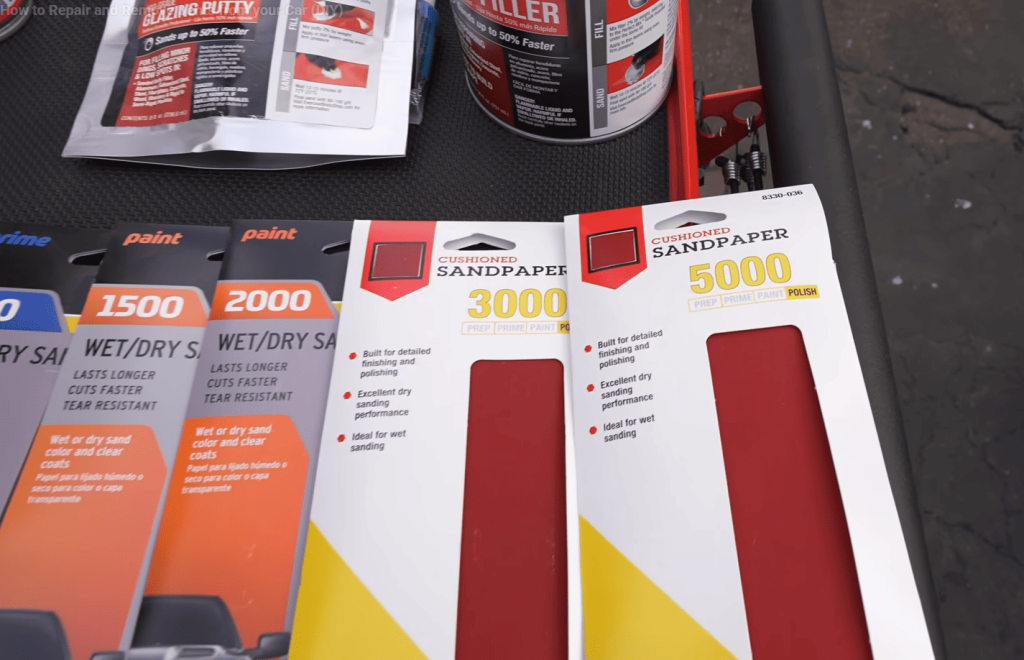
| Body Filler | Bondo & Sandpaper | Progressive sanding | Creates flush surface |
These processes demand patience but yield professional-looking outcomes when followed carefully. Even experts use body filler for challenging car damage.
Professional Dent Repair Options and Considerations
For damage beyond simple household fixes, skilled technicians provide specialized dent removal techniques that deliver factory-quality results. Professional services become your best option when facing complex damage.
These experts bring experience and specialized tools to every job. They ensure your vehicle looks its best while maintaining resale value.
Overview of Paintless Dent Repair (PDR)
Paintless dent repair offers an affordable, convenient solution. Technicians often come to your location with specialized tools.
This method massages the dent out from behind without affecting the original paint. Most jobs complete in under two hours.
PDR pricing varies by size: small dents cost $50-$100, medium $75-$300, and large ones $300-$500. It works best when the factory finish remains intact.
When to Visit an Auto Body Shop
Traditional body shop services handle more severe cases. Visit a professional shop for very large dents or those with cracked paint.
Deep damage potentially affecting your car‘s structure requires expert assessment. Body shop repairs can exceed $2,000.
Always get quotes from 2-3 professionals. Compare both pricing and turnaround time for the best value.
Tools, Costs, and Tips for Successful Dent Repair
Building your dent repair toolkit doesn’t require breaking the bank. Most essential equipment is surprisingly affordable and available at local automotive stores.
Budget-Friendly DIY Kits and Equipment
Basic supplies for minor dents won’t drain your wallet. Compressed air costs around twenty dollars. Dent pullers are similarly priced.
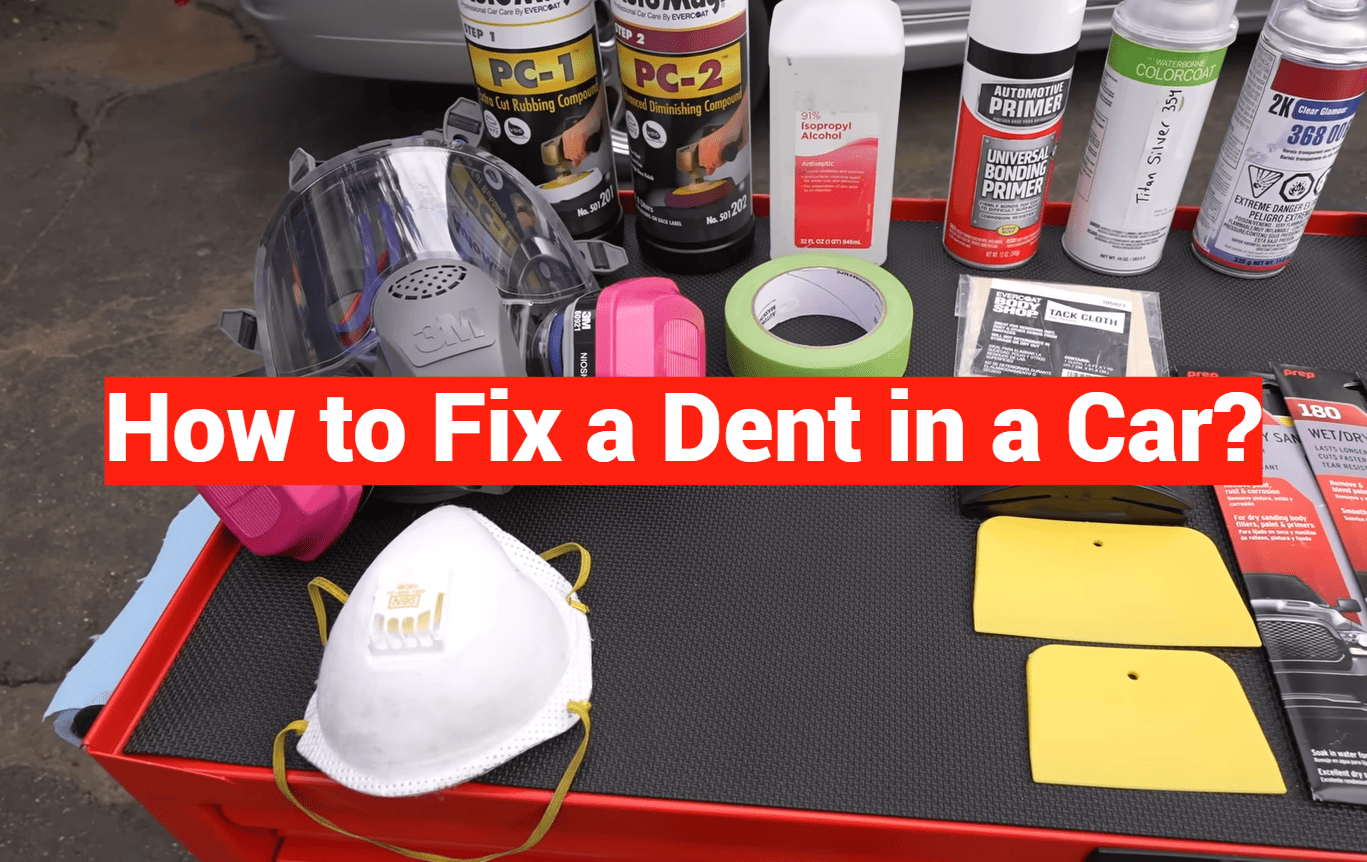
Comprehensive diy dent repair kits range from forty to ninety-nine dollars. These often include everything needed for various removal methods.
For more extensive work, body filler starts at thirteen dollars. Glaze and spot putty begin around eleven dollars. Complete paint repair kits run forty-five to sixty-five dollars.
A full DIY project typically costs under one hundred dollars total. This represents massive savings compared to professional services.
Safety and Cost Considerations
Always prioritize safety when attempting repairs. Wear protective gloves with dry ice. Use caution around boiling water.
Ensure proper ventilation with chemical products. Protect your eyes during sanding operations. These simple precautions prevent accidents.
Practical tips significantly improve results:
- Work in good lighting to properly assess damage
- Test techniques on less visible areas first
- Keep the work area clean with a microfiber cloth
- Apply thin layers of filler rather than thick coats
Addressing issues promptly prevents rust formation. Waiting allows paint to deteriorate further. Quick action saves money long-term.
The right approach makes diy dent repair a valuable skill. It maintains vehicle value while providing personal satisfaction.
Conclusion
Your vehicle’s appearance reflects your care and attention, making dent repair an important maintenance task. This comprehensive guide has equipped you with knowledge about various repair options for different types of damage.
Simple household methods using items like a plunger or hair dryer work well for minor dings. For more significant dents on metal panels or bumper areas, professional dent removal services ensure flawless results.
Addressing car dents promptly prevents rust and maintains your vehicle‘s value. Whether tackling small scratches yourself or visiting a professional shop, timely action saves money over time.
You now have the confidence to choose the right approach for your specific situation. Regular maintenance and quick response to damage keep your car looking pristine while protecting your investment.