

Imagine your vehicle’s engine completes over 10 revolutions every single second just to keep the lights on and the air conditioning running while you’re stopped. That’s the incredible effort happening under the hood during a normal idle.
A smooth idle, typically between 600 and 1,000 RPM, is a sign of a healthy engine. It means all systems are working together perfectly. But when that steady hum turns into a jarring shudder, it’s more than just an annoyance.
This unsettling vibration is your automobile’s way of sending a clear message. The bouncing sensation and inconsistent engine speed point to an underlying problem. Ignoring these warning signs can allow a minor issue to grow into a major, costly repair.
The good news is that you’ve come to the right place. This guide will help you understand the common reasons for this shaking, how to diagnose the issue, and what steps you can take to resolve it. We’ll cover everything from simple fixes you can try yourself to knowing when it’s time to call a professional.
Key Takeaways
- A smooth idle is a key indicator of your vehicle’s health, with RPMs typically between 600 and 1,000.
- Shaking or vibration at a stop is a symptom known as “rough idle” and signals an underlying issue.
- Ignoring these symptoms can lead to more significant and expensive repairs later on.
- Many causes are minor and can be diagnosed with some basic troubleshooting.
- Understanding the problem is the first step toward a safe and effective solution.
Common Causes Behind Car Shakes When Idle
Diagnosing the source of cabin vibrations at a standstill requires checking several common culprits. These issues often involve components designed to manage engine operation and dampen its natural movements.

Worn Spark Plugs and Ignition Coil Issues
Faulty spark plugs or a failing ignition coil can lead to engine misfires. This disrupts the combustion process, causing a noticeable shudder.
Fuel System and Air Intake Concerns
A clogged fuel injector or a dirty air filter can upset the precise air-fuel mixture your engine needs. This imbalance often results in rough performance while the vehicle is stationary.
Engine Mounts, Vacuum Leaks, and Sensor Failures
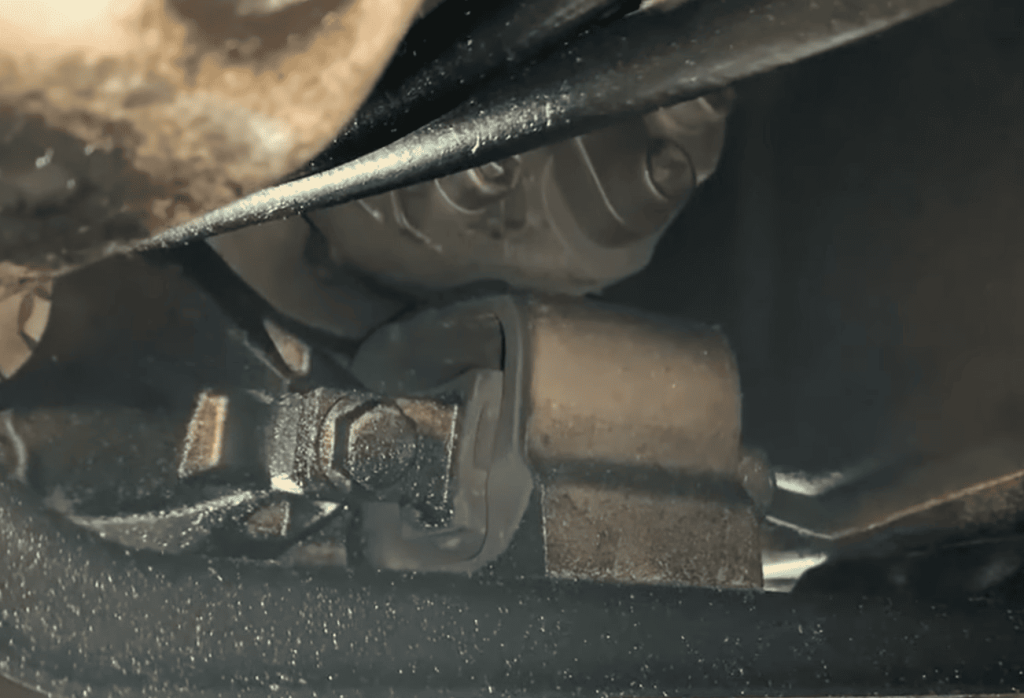
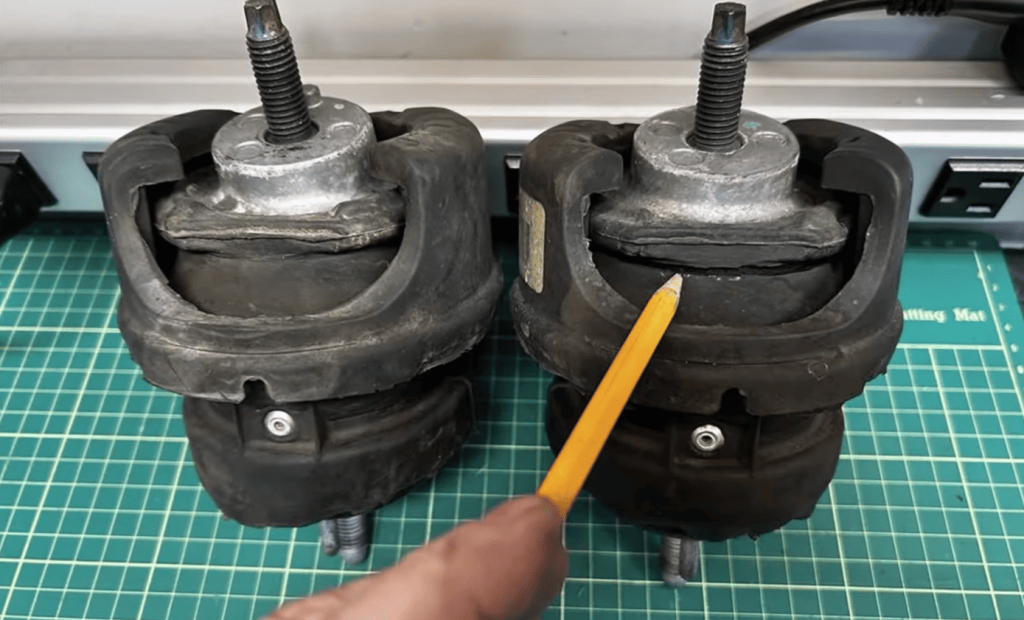
Engine mounts are crucial for absorbing vibrations. When they wear out, shaking transfers directly into the chassis. You might feel this throughout the cabin.
A vacuum leak introduces unmetered air into the system. This throws off the engine’s computer and can cause a high-pitched hissing sound along with the rough idle.
Modern engines rely on a network of sensors. If an oxygen sensor or mass airflow sensor fails, it sends incorrect data. The computer then makes poor adjustments, leading to performance issues.
Problems within the exhaust system, like a stuck EGR valve or a clogged catalytic converter, can also be the cause. These issues create backpressure that disrupts smooth engine operation.
| Problem Area | Primary Symptom | Common Fix |
|---|---|---|
| Engine Mounts | Shaking felt in steering wheel and cabin | Replacement of worn mounts |
| Vacuum Leak | Rough idle, hissing noise | Locate and seal leak in hoses |
| Faulty Sensor (e.g., O2 Sensor) | Erratic idling, poor fuel economy | Sensor diagnosis and replacement |
| Clogged Throttle Body | Hesitation, shaking at stop | Professional cleaning |
Troubleshooting Steps and Simple Fixes
Many drivers are surprised to learn they can often fix a rough idle without a trip to the mechanic. With basic tools and a little know-how, you can address several common causes. This can save you both time and money on potential repairs.
Let’s break down the process into a simple diagnostic guide and some fixes you can try at home.
Step-by-Step Diagnostic Guide
Start with the easiest components to check. A visual inspection can reveal a lot. Look for obvious issues before moving to more complex tasks.
Listen for unusual hissing sounds that might indicate a vacuum leak. Also, check if the shaking changes when you turn on the air conditioning. This can help pinpoint the issue.
Simple Fixes You Can Try at Home
Replacing the air filter is one of the simplest and most effective maintenance tasks. A clogged filter restricts airflow to the engine. Locate the air filter box, usually a black plastic case near the engine. Unclip the lid, remove the old filter, and drop in a new one.
Inspecting and replacing spark plugs is another key step. Worn plugs have eroded electrodes and heavy deposits. New spark plugs can immediately restore smooth engine operation.
Check all visible vacuum hoses for cracks or splits. A small leak can cause big problems. Replacing a damaged hose is an inexpensive repair.
For fuel system maintenance, consider using a fuel injector cleaner additive. You simply pour it into your gas tank. It helps clean injectors and remove deposits.
Following your vehicle’s recommended maintenance schedule is the best prevention. Regular tune-ups that include filter replacement and spark plug service keep your engine running smoothly.
If these simple fixes don’t resolve the issue, it’s time to consult a professional mechanic for further diagnosis.
| DIY Task | Difficulty Level | Potential Benefit |
|---|---|---|
| Air Filter Replacement | Easy | Restores proper airflow, improves performance |
| Spark Plug Inspection | Moderate | Can resolve misfires, smooths engine operation |
| Vacuum Hose Check | Easy | Fixes leaks causing rough idle |
| Fuel System Cleaner | Very Easy | Cleans injectors, removes deposits |
Maintenance Tips and Professional Repair Advice
While DIY fixes can resolve many issues, some problems require expert attention from qualified technicians. Knowing when to seek professional help protects your investment and ensures reliable performance.
Regular Tune-Ups and Component Checks
Consistent maintenance prevents many common issues. Follow your vehicle’s recommended service schedule for optimal performance.
Regular inspections catch small problems before they become major repairs. This proactive approach saves money and maintains vehicle reliability.
When to Consult a Qualified Technician
Schedule an appointment with a professional mechanic if symptoms persist after basic troubleshooting. Warning signs include persistent vibration, check engine lights, or stalling.
Experienced technicians use advanced diagnostic equipment to pinpoint complex issues. They can identify problems that might escape DIY diagnosis.
Quality auto repair services provide thorough inspections and clear explanations. Choosing a reputable shop ensures proper repairs and long-term reliability.
While professional services cost more upfront, they often prevent expensive repairs later. Correct diagnosis the first time protects your vehicle’s health.
Conclusion
Your vehicle’s performance at a standstill speaks volumes about its overall health. A rough idle should never be ignored, as it often signals an underlying issue that needs attention.
Understanding common causes helps you make smart decisions. You can tackle simple fixes yourself or seek professional help when needed. Regular maintenance prevents minor problems from becoming major repairs.
Address changes in your engine‘s behavior promptly. This proactive approach saves both time and money. Your car will thank you with smooth, reliable performance for years to come.
Armed with this knowledge, you can confidently address idle concerns and keep your vehicle running beautifully.