

Did you know that over 80% of Audi drivers who switch between these two transmission systems report noticeable differences in their daily driving experience? This surprising statistic highlights why understanding your transmission choice matters so much.
Audi has developed multiple automatic technologies over the years. The Tiptronic and Multitronic systems represent two distinct approaches to gear shifting. Each offers unique benefits for different driving styles.
The Tiptronic system uses traditional physical gears that provide crisp, distinct shifts. Meanwhile, the Multitronic transmission operates as a continuously variable system. It delivers smooth, seamless acceleration without traditional gear steps.
Your choice between these options affects performance, fuel economy, reliability, and overall driving feel. Some drivers prefer the sporty response of one system. Others value the efficiency of the alternative.
This guide will help you understand the technical specifications, real-world performance, and common considerations. We’ll explore which system might work best for your specific needs and Audi model.
Key Takeaways
- Tiptronic uses traditional gears while Multitronic employs CVT technology
- Transmission choice significantly impacts driving experience and fuel efficiency
- Each system has distinct advantages for different driving preferences
- The “better” option depends on your personal priorities and vehicle usage
- Understanding these differences is crucial when shopping for used Audi models
- Both transmissions have dedicated supporters based on performance characteristics
- We’ll cover technical details in simple, easy-to-understand language
Understanding Audi Transmission Technologies
Two fundamentally different transmission systems have defined Audi’s automatic driving experience. Each technology offers unique benefits for various driving scenarios.
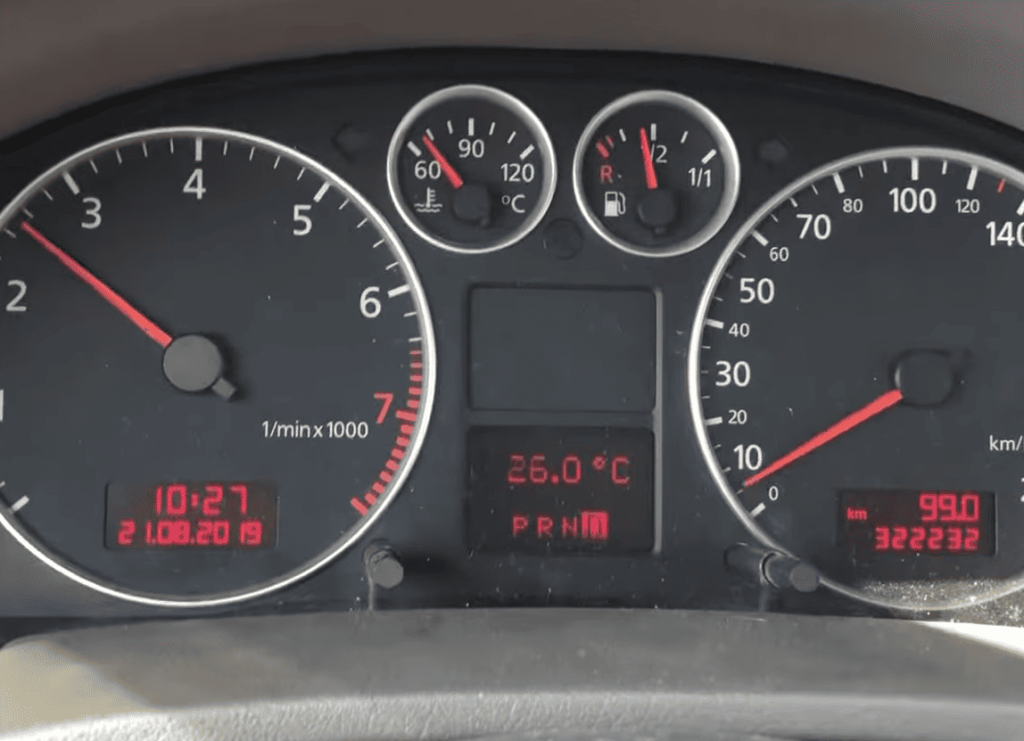
The systems represent distinct approaches to gear shifting and power delivery. Understanding their core differences helps drivers make informed choices.
What is Tiptronic?
This system originated as a Porsche innovation in 1990. It combines traditional automatic operation with manual control options.
The technology uses a torque converter and planetary gear sets. Drivers can select gears using steering wheel paddles or the gear lever.
Modern versions feature eight physical gears for precise shifting. The system prevents engine damage by blocking inappropriate gear selections.
What is Multitronic?
This represents Audi’s implementation of CVT technology. It operates without traditional fixed gear ratios.
The design uses conical pulleys connected by a metal chain. This allows for infinite ratio adjustments within its operating range.
While it displays simulated gear steps, these are programmed points. The system was designed for front-wheel-drive models with moderate engine output.
| Feature | Tiptronic System | Multitronic System |
|---|---|---|
| Technology Type | Traditional Automatic | Continuously Variable (CVT) |
| Gear Mechanism | Physical Gears (8-speed) | Pulley and Chain System |
| Primary Application | Quattro AWD Models | Front-Wheel Drive Models |
| Torque Handling | Higher Capacity | Up to 300 Nm |
| Shift Feel | Distinct Gear Changes | Seamless Acceleration |
Performance & Fuel Economy Analysis
Performance characteristics and fuel consumption represent two critical aspects that differentiate Audi’s transmission technologies. Each system delivers distinct advantages based on their mechanical design.
Transmission Efficiency & Gear Mechanism
The CVT design achieves nearly 90% mechanical efficiency. This exceptional rating means minimal power loss between the engine and wheels.
Traditional gear systems operate differently. They use physical gears that provide distinct shift points. The eight-speed design offers close ratios for responsive performance.
Some drivers notice a “drone” effect during acceleration. The CVT maintains constant engine RPM at optimal power output. This contrasts with traditional gear changes that create rising and falling engine sounds.
Fuel Economy Considerations
Efficiency directly impacts fuel consumption. The high-efficiency transmission typically delivers 1-2 MPG better economy.
This advantage comes from maintaining optimal engine points. The system constantly adjusts ratios for maximum efficiency. Traditional gear systems cannot match this continuous optimization.
However, the choice involves trade-offs. Drivers prioritizing maximum economy appreciate the seamless operation. Those wanting sportier engagement prefer the traditional feel.
| Performance Metric | High-Efficiency CVT | Traditional Gear System |
|---|---|---|
| Mechanical Efficiency | ~90% | ~82-85% |
| Fuel Economy Advantage | 1-2 MPG Better | Standard Efficiency |
| Acceleration Character | Seamless & Constant | Distinct Gear Steps |
| Engine Sound During Acceleration | Steady RPM “Drone” | Rising/Falling Pattern |
| Driver Engagement | Relaxed & Smooth | Sporty & Responsive |
User Experiences & Common Issues
Owner forums and maintenance records reveal important patterns in transmission durability. Real-world feedback provides valuable insights beyond technical specifications.
Many drivers share their experiences with common transmission problems. These stories help potential buyers understand long-term reliability.
Maintenance Challenges and Reliability
The CVT system has earned a reputation for specific reliability issues. Chain stretching causes jerking during driving, while electronic controller failures lead to erratic behavior.
Some owners affectionately call it “multichronic” due to these problems. However, regular maintenance dramatically improves performance.
One user reported transforming their sluggish transmission after a 39,000-mile oil change. Later versions with 7-plate clutch packs show better reliability than earlier 6-plate designs.
The traditional gear system generally proves more durable over high mileage. Some owners report well over 250,000 miles without major transmission work.
Specific issues include electro-valve wear and clutch basket failures. These problems occur less frequently than with the CVT system.
Oil Consumption and Real-World Reports
Certain Audi models experienced excessive engine oil consumption. Owners needed to add oil between changes, though this improved in later production years.
Regular fluid checks are essential for transmission health. Following maintenance schedules prevents many common issues.
When buying a used car, carefully review the transmission service history. Proper care makes a significant difference in long-term reliability.
tiptronic vs multitronic: A Detailed Comparison
The decision between these transmission technologies comes down to your personal driving priorities and vehicle usage patterns. Each system serves different needs effectively.
Understanding the core differences helps you choose the right option for your lifestyle. This comparison examines practical advantages and limitations.
Pros and Cons of Each System
The CVT-based design excels in fuel efficiency and smooth operation. It delivers nearly 90% mechanical efficiency for better gas mileage.
However, this system has reliability concerns including chain stretching. It cannot handle high torque outputs above 300 Nm.
The traditional gear system offers more engaging driving dynamics. It provides superior reliability and works with quattro all-wheel drive.
The trade-off comes in slightly lower fuel economy. This transmission option weighs more due to its conventional design.
Real-World Performance Insights
Many owners share interesting experiences with both systems. Some accidentally leave their car in manual mode at stoplights.
This illustrates the manual control capability available. It also shows the need to pay attention to your current driving mode.
Audi strategically applied these transmissions to different models. Performance vehicles received the gear-based system while economy models got the CVT.
The repair network for both systems has improved over time. However, the traditional transmission generally requires fewer major repairs.
Your choice ultimately depends on priorities. Fuel economy favors one option while driving engagement favors the other.
Engineering Evolution & Model Variations
The engineering journey behind Audi’s automatic transmissions reveals a fascinating story of innovation and strategic decision-making. Understanding this history helps explain why certain models feature specific transmission technologies.
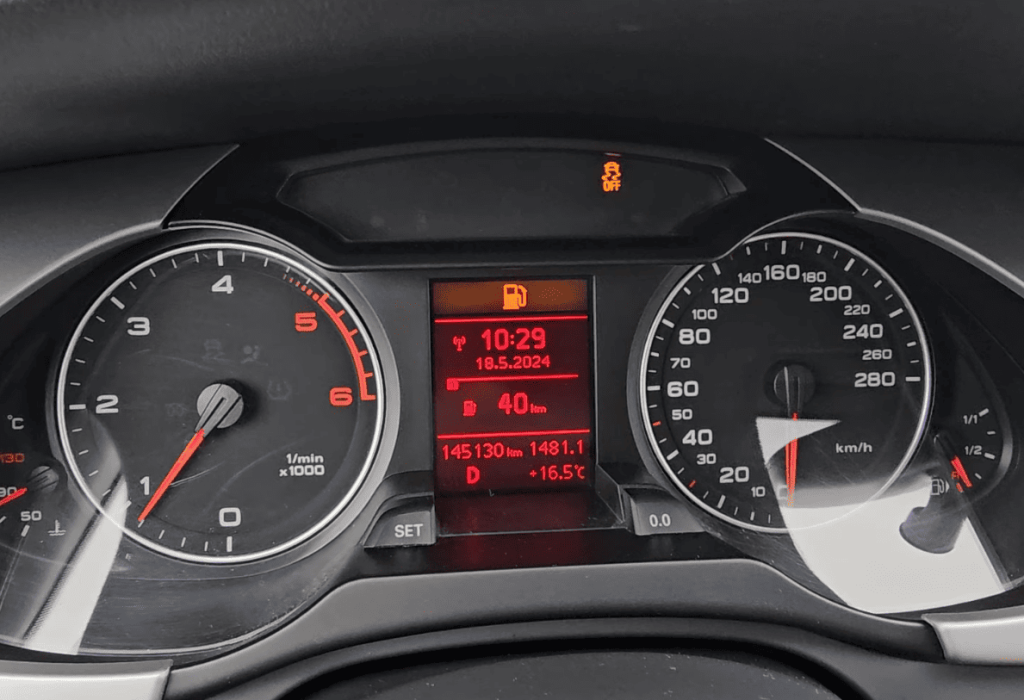
Historical Developments and Design Changes
This transmission technology began as a Porsche innovation in 1990. It was originally developed for rally cars where drivers needed precise control. The concept of combining automatic convenience with manual shifting was revolutionary.
The system evolved significantly over the years. Early versions featured only 4 or 5 speeds. Modern iterations use advanced 8-speed designs that represent current state-of-the-art engineering.
Around 2000-2001, Audi made a strategic shift. They began differentiating transmissions based on drivetrain configuration. This decision created clear pathways for different model applications.
Model-Specific Differences and Options
Certain Audi models consistently received specific transmission types. The CVT system appeared primarily in A4, A5, and A6 models with moderate-output engines. These applications focused on fuel efficiency.
The traditional gear system remained exclusive for quattro models and high-performance variants. This choice ensured robust torque handling capabilities. Engineering improvements over time enhanced durability, particularly with clutch pack upgrades.
When shopping for used Audis, knowing the model year is crucial. Pre-2000 vehicles all used the same transmission regardless of drivetrain. This knowledge helps set realistic reliability expectations for different model years.
Conclusion
The ultimate choice between these two Audi technologies depends on what you value most behind the wheel. Neither system is universally “better”—your personal priorities and driving habits determine the ideal fit.
For commuters seeking maximum fuel efficiency and smooth operation, one option excels. It delivers relaxed driving perfect for daily use. The other system offers sportier engagement and proven long-term reliability.
When shopping for used cars, carefully check the transmission service history. Budget for potential repairs if choosing the CVT-equipped models. Consider paying more for quattro models if reliability is your top priority.
Both systems can provide many years of excellent service with proper maintenance. Regular fluid changes are particularly critical for longevity, especially if you plan to drive high miles.
Understanding these differences empowers you to make an informed decision that aligns with your driving style and ownership plans. Your perfect Audi awaits!