
Did you know that midsize truck sales have surged by over 40% in the past five years? This explosive growth reflects a major shift in what American drivers want from their vehicles.
Today, we’re diving deep into two standout options that dominate this competitive space. Our comprehensive comparison will help you understand which model fits your lifestyle perfectly.
Whether you need a rugged workhorse or a comfortable daily driver, both trucks bring unique strengths to the table. We’ll examine every important point from performance to practicality.
This guide explores how each vehicle performs in real-world conditions. You’ll discover what makes them stand out in a crowded market of capable trucks.
By the end, you’ll have all the information needed to make a confident decision. Let’s explore what sets these popular models apart.
Key Takeaways
- Midsize truck popularity has grown significantly in recent years
- Both models offer distinct advantages for different driving needs
- Real-world performance testing reveals practical differences
- Each truck excels in specific areas like capability or comfort
- The right choice depends on your personal requirements and budget
- Comprehensive comparison helps identify the best value proposition
Overview of the Ford Ranger and Honda Ridgeline
Choosing between these two popular midsize trucks means understanding fundamentally different approaches to what a pickup should be. Each vehicle brings unique strengths that appeal to distinct types of drivers.
Introduction to the Competitors
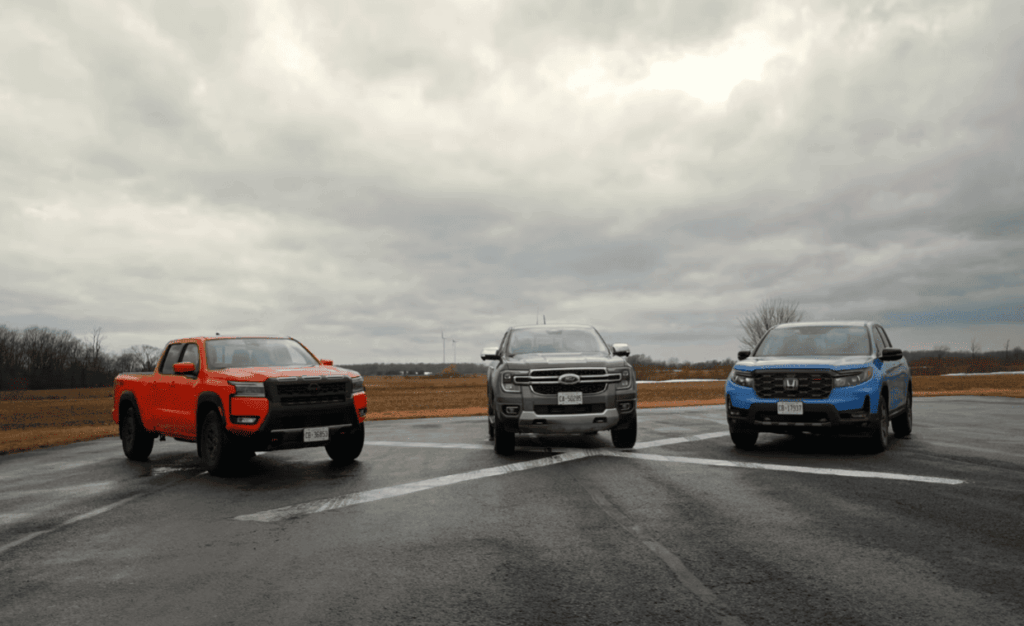
The Ford Ranger made a triumphant return to the market after a brief hiatus. It carries the trusted Built Ford Tough heritage that people have relied on for generations.
This model earned significant recognition from industry experts. J.D. Power awarded it Highest Quality Midsize Pickup and Best Performing Midsize Pickup honors.
Autotrader named it Best New Car, praising its interior comfort and build quality. The recognition reflects the vehicle’s strong comeback.
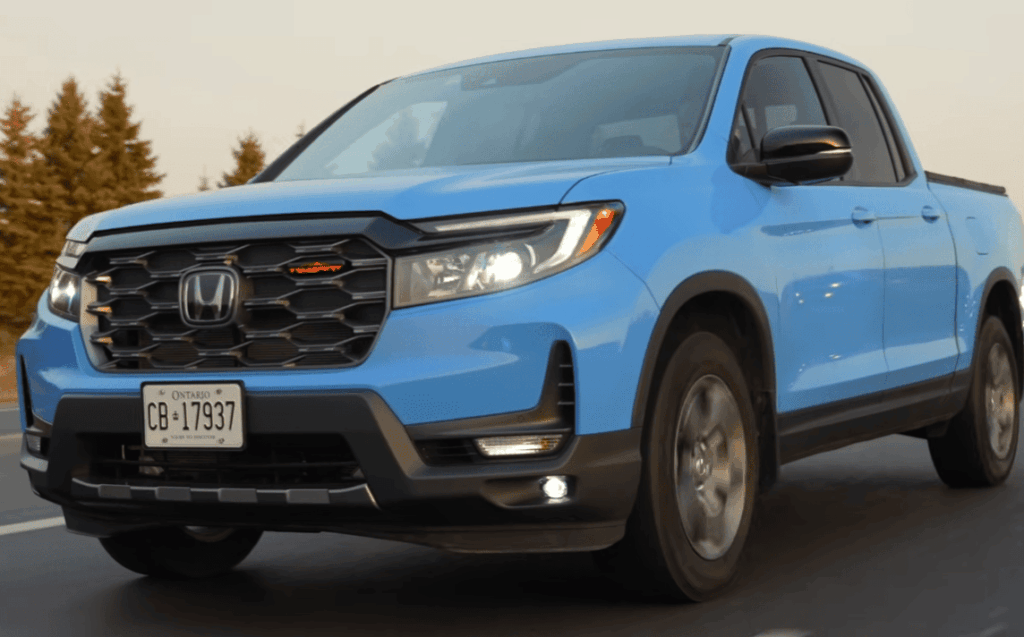
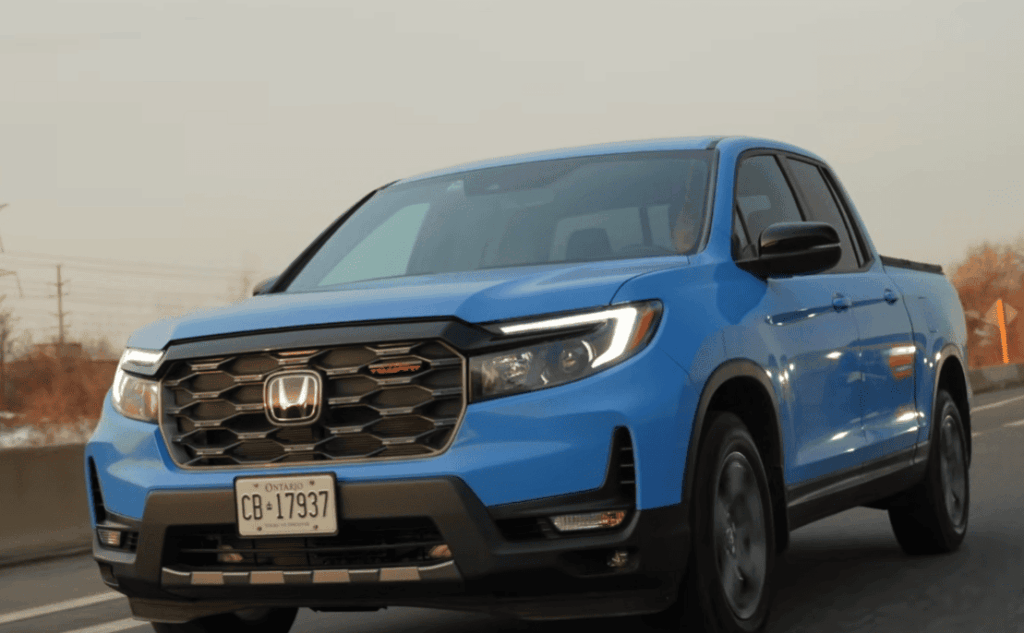
The Honda Ridgeline takes a completely different path. It features unibody construction instead of traditional body-on-frame design.
This approach creates a truck that drives more like a car. It offers refined driving dynamics rarely found in most trucks.
Market Positioning in Today’s Truck Segment
Both vehicles cater to different segments of people seeking midsize capability. The Ranger appeals to traditional truck enthusiasts who need serious work capability.
The Ridgeline attracts those wanting truck utility with car-like comfort. It carved out a niche for drivers who value versatility without sacrificing refinement.
Market positioning shows these trucks serving distinct purposes. One competes as a rugged traditional pickup, while the other positions as a lifestyle vehicle with a bed.
Understanding these philosophical differences helps explain why each appeals to different buyers. Your choice depends on what you value most in a vehicle.
Performance and Power Comparison
Performance metrics separate casual trucks from serious workhorses, with torque and towing being the ultimate tests. These numbers reveal what each vehicle can truly handle in real-world situations.
Engine and Torque Analysis
The heart of any pickup’s capability lies in its powertrain. Both models offer one engine choice, but with different approaches to performance.
Truck A features a 2.3L EcoBoost 4-cylinder turbo generating over 260 horsepower. It delivers an impressive 310 lb-ft of torque for strong pulling power.
Truck B uses a 3.5L V-6 that also produces over 260 horsepower. However, it makes only 262 lb-ft of torque, which is noticeably less than its competitor.
This torque difference becomes crucial when loading the bed or climbing steep grades. The additional 48 lb-ft provides significant advantage for heavy work.
Towing Capacity and Off-Road Capability
Towing capacity shows even greater divergence between these trucks. The maximum load each can handle reveals their true intended purposes.
The 2019 model from Truck A offers 7,500 pounds of towing capacity across all trim levels. This allows for hauling larger trailers and equipment with confidence.
Truck B maxes out at 5,000 pounds, and only with all-wheel-drive configurations. This limitation affects what you can realistically tow for work or recreation.
| Performance Feature | Truck A | Truck B |
|---|---|---|
| Engine Type | 2.3L EcoBoost Turbo | 3.5L V-6 |
| Horsepower | Over 260 hp | Over 260 hp |
| Torque | 310 lb-ft | 262 lb-ft |
| Max Towing Capacity | 7,500 lbs | 5,000 lbs (AWD only) |
| Key Features | Auto Stop-Start, Trailer Sway Control | Standard safety suite |
Additional performance technologies include Auto Stop-Start for efficiency. Trailer Sway Control ensures safer heavy load transportation.
Transmission, Fuel Efficiency, and Running Costs
Fuel efficiency and transmission technology work hand-in-hand to determine your long-term ownership costs. The right combination can save you money every time you fill up at the pump.
One model features a sophisticated 10-speed automatic transmission paired with a turbocharged engine. This advanced system provides smooth shifting and optimizes power delivery for better gas mileage.
The other truck uses a traditional automatic transmission with a V-6 powerplant. Both vehicles run on regular gas, making them practical choices for daily driving without premium fuel requirements.
| Feature | Model A | Model B |
|---|---|---|
| Transmission Type | 10-Speed Automatic | 6-Speed Automatic |
| Gear Ratios | 10 | 6 |
| Fuel Requirement | Regular Gas | Regular Gas |
| Efficiency Feature | Optimized Gear Spread | Proven Reliability |
| Daily Usability | Seamless Highway Driving | Consistent Performance |
Running costs remain competitive in this segment. The transmission choice affects how each truck feels during your daily commute.
Over time, both systems have demonstrated reliable performance. Your actual gas consumption will depend on driving habits and vehicle configuration.
Exterior Design and Styling Features
Exterior features on a pickup aren’t just for show—they determine how well it handles real-world tasks. The right combination of bed space, ground clearance, and construction type makes all the difference in daily use.
Bed Options and Cargo Volume
Bed flexibility is crucial for matching a truck to your specific needs. One model offers a single bed size with 33.9 cubic feet of capacity.
The competitor provides greater versatility with two bed lengths. Choices include a 5-foot bed holding 43.3 cubic feet and a 6-foot version with 51.8 cubic feet of space.
This means one truck always provides more room for construction gear or outdoor equipment. The additional capacity becomes valuable for weekend projects or hauling supplies.
Package Upgrades and Unique Finishes
Ground clearance affects both off-road capability and underbody protection. Standard clearance measures 8.4 inches with an available 9.7-inch option on one model.
The other truck sits at 7.64 inches, which may limit rough terrain adventures. Both vehicles offer specialized off-road packages with unique finishes and enhanced gear.
Wheel designs also contribute to each truck’s character. Painted alloy wheels come standard on one model, while the other features standard alloy wheels.
| Feature | Model with Two Bed Options | Model with Single Bed | Advantage |
|---|---|---|---|
| Bed Volume Range | 43.3 – 51.8 cu ft | 33.9 cu ft | Greater flexibility |
| Ground Clearance | 8.4″ (9.7″ available) | 7.64″ | Better off-road capability |
| Frame Construction | Body-on-frame | Unibody | Enhanced durability |
| Off-Road Package | Tremor Off-Road | HPD Package | Specialized upgrades |
The body-on-frame construction versus unibody design represents a fundamental difference in approach. One prioritizes rugged durability while the other focuses on integrated strength.
These exterior elements work together to define each truck’s personality and capability. Your choice depends on whether you need maximum utility or refined styling.
Interior Comfort and Passenger Space
Spending hours behind the wheel means interior design directly impacts your driving satisfaction. The cabin environment can transform daily commutes from chores into pleasant experiences.
Driver and Back Seat Comfort
Front-seat measurements reveal important differences between these trucks. One model provides 43.1 inches of legroom, offering generous stretch-out space for the driver.
The competing truck measures 40.9 inches in front-seat legroom. This creates a noticeable difference in overall comfort during extended drives.
Headroom measurements show both vehicles accommodating taller drivers well. With 39.8 inches versus 39.5 inches, either truck provides adequate clearance.
The back seat experience varies between these models. One features a more refined approach that benefits passengers on longer trips.
Both trucks offer lumbar support in select trim levels. This feature helps reduce driver fatigue and improves overall comfort during extended journeys.
Interior materials and build quality contribute significantly to the ownership experience. One model earned recognition specifically for its comfortable cabin design.
Whether prioritizing driver-focused ergonomics or passenger comfort, both vehicles deliver well-appointed interiors. They make daily commuting and road trips genuinely enjoyable.
Technology and Infotainment Systems
Modern pickup trucks have become rolling command centers where technology meets daily driving needs. The infotainment system you choose makes a lot of difference in how connected and entertained you feel behind the wheel.
Connectivity and Smartphone Integration
Both trucks offer seamless smartphone integration through Apple CarPlay, Android Auto, and Bluetooth. This makes it easy to use your favorite apps and stay connected during every drive.
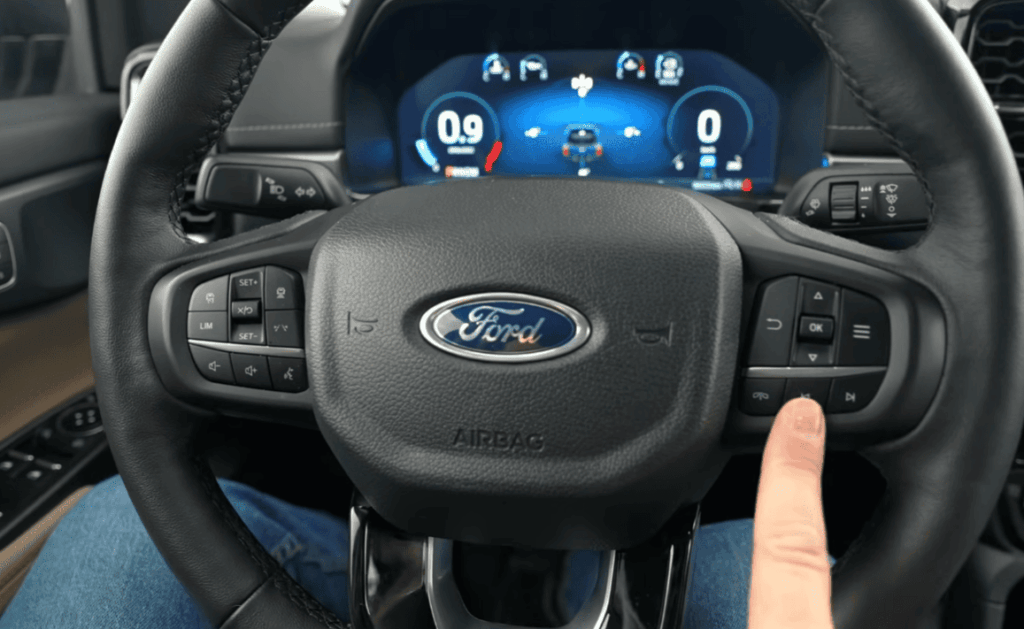
One interesting point is the standard screen sizes. The Ranger comes with a 4.2-inch display, while the Ridgeline features a larger 8-inch screen as standard equipment.
The Ranger offers unique Ford+Alexa integration with over 50,000 Amazon Alexa skills. You can use voice commands for navigation, traffic updates, and even smart-home control.
Sound Systems and Entertainment Options
Audio quality represents another key differentiator between these models. The available 10-speaker B&O Sound System delivers premium audio that audiophiles will appreciate.
The competing truck’s eight-speaker premium audio system sounds good but doesn’t match the immersive experience. The way each manufacturer approaches technology shows different priorities.
These features set these trucks apart from typical cars and make a lot of difference in daily usability. Your choice depends on whether you value innovative features or user-friendly basics.
Safety Features and Driver Assistance Technologies
The true value of a vehicle is often measured by its ability to prevent accidents, not just survive them. Modern trucks come packed with intelligent systems that act as an extra set of eyes on the road.
These features protect everyone inside the cabin and other people sharing the streets. For any driver, this peace of mind is a top priority.
Advanced Collision Warning Systems
One model sets a high standard with its comprehensive suite of standard safety tech. This system is designed to support the driver during every trip, whether for daily commuting or heavy work.
- Adaptive Cruise Control maintains a set distance from the vehicle ahead, reducing fatigue on long drives.
- Forward Collision Warning with automatic braking can detect potential hazards and help you stop faster.
- Lane Keeping Assist provides gentle steering corrections if it senses unintentional drifting.
- Blind Spot Monitoring is a crucial aid, especially when towing a trailer, as it extends coverage to watch your blind spots.
- Pre-Collision Assist with Pedestrian Detection scans the road ahead for people and can apply the brakes if needed.
Connectivity is also part of the safety net. Features like a 4G LTE Wi-Fi hotspot keep you connected for emergencies or navigation updates far from home.
While both trucks offer strong safety packages, the specific technologies included can vary. It’s wise to compare standard features against optional upgrades to find the best fit for your needs.
Ride Quality and Suspension Setup>
How a truck handles the road beneath you is one of the most immediate aspects of ownership. The right suspension can turn a long drive into a comfortable journey. It separates a harsh ride from a smooth one.
This is where these two pickups show their distinct personalities. Your choice will affect your daily comfort behind the wheel.
Handling on Rough and Smooth Pavement
The Ridgeline is famous for its car-like ride. Its unibody construction delivers a very compliant and smooth experience. You feel no jolts or harshness, even on rough pavement.
The other truck delivers a similar but slightly different feel. It can get a bit bouncy on uneven roads, though it’s nothing extreme. This is often due to a common issue with tire pressure from the factory.
Ford tends to ship these trucks with 45 PSI in the tires. Dealerships frequently forget to lower it to the proper 30 PSI for 4×4 crew cabs. This high pressure is a key reason for a firmer ride.
According to owner discussions on the model’s forum, correcting the pressure is the first thing to do. Changing it to the right setting makes a dramatic difference in comfort. It transforms the drive in a significant way.
| Model | Ride Characteristic | Suspension Type | Key Comfort Feature |
|---|---|---|---|
| Unibody Pickup | Car-like, very smooth | Independent Rear | Excellent bump absorption |
| Body-on-Frame Pickup | Capable, improves with correct tire PSI | Leaf Spring Rear | Easy tire pressure adjustment for better ride |
Driving Experience on Various Road Conditions>
From morning commutes to weekend adventures, how a truck performs across various terrains defines its versatility. Each model brings unique strengths to different driving scenarios that affect your daily experience.
Urban vs. Off-Road Performance
City driving reveals important differences between these vehicles. One handles tight parking spots and traffic with surprising agility, making the daily commute more pleasant.
Highway performance shows both trucks excel at long-distance comfort. They provide stable handling that reduces driver fatigue during extended trips.
Off-road capability separates these models more dramatically. The traditional body-on-frame design tackles rough terrain with confidence, while the unibody construction prefers maintained trails.
| Driving Condition | Urban Performance | Off-Road Capability | Best For |
|---|---|---|---|
| City Streets | Easy maneuverability, comfortable ride | Limited rough terrain handling | Daily commuting |
| Highway Cruising | Stable at high speeds, quiet cabin | Standard road performance | Long-distance travel |
| Unpaved Trails | Basic gravel road capability | Enhanced ground clearance, rugged suspension | Weekend adventures |
| Work Sites | Easy bed access for tools | Serious off-road work capability | Professional use |
At the end of the day, your choice depends on where you’ll drive most often. Both vehicles handle diverse road conditions competently while serving different priorities.
Utility and Versatility for Work and Lifestyle>
Utility isn’t just about what a truck can carry—it’s about how efficiently it serves your daily routine. The right combination of cargo space and smart features transforms a vehicle from basic transportation to a true partner in productivity.
Cargo Management and Bed Utilization
When comparing bed options, one model offers a single configuration with 33.9 cubic feet of capacity. This handles everyday hauling reasonably well for groceries or small loads.
The competing truck provides greater flexibility with two bed lengths. You can choose a 5-foot bed offering 43.3 cubic feet or a 6-foot version with 51.8 cubic feet of space.
Every configuration of the second truck provides more cargo volume than the first. This extra capacity becomes valuable for work equipment or recreational gear.
Bed utility extends beyond simple measurements to include smart features. Tie-down points, bed liners, and cargo management systems enhance how you use the space.
For contractors, larger bed capacity means fewer trips to supply houses. This saves both time and fuel during busy work days.
Trailer towing complements bed utility perfectly. Higher towing capacity allows hauling larger trailers while still carrying cargo in the bed.
User Reviews and Community Feedback
Real-world experiences from actual owners often reveal more about a vehicle than any spec sheet could. The collective wisdom found in online communities provides invaluable perspectives that go beyond manufacturer claims.
Insights from Online Forums and Test Drives
Active forum communities for both models share practical tips and honest assessments. These platforms become essential resources for new buyers seeking real-world insights.
One popular forum highlights a crucial adjustment for optimal ride quality. Owners recommend checking tire pressure immediately after purchase.
Many people discover their vehicle shipped with 45 PSI instead of the recommended 30 PSI. Correcting this makes a dramatic difference in comfort.
Professional test drives consistently reveal distinct personalities between these trucks. Journalists point out how one feels more like traditional trucks while the other drives like refined cars.
| Source | Key Insight | Practical Impact |
|---|---|---|
| Owner Forums | Tire pressure adjustment essential | Significantly improved ride comfort |
| Test Drives | Distinct driving characteristics | Helps match vehicle to lifestyle |
| Long-Term Owners | High satisfaction with both models | Confidence in purchase decision |
The fact remains that both vehicles receive positive reviews for different reasons. Your choice ultimately depends on whether you prioritize comfort or capability.
Spending time reading forum threads gives you perspectives from real people with diverse needs. This research helps ensure your selection aligns perfectly with your expectations.
ford ranger vs honda ridgeline: A Comparative Analysis
A comprehensive comparison reveals how each vehicle prioritizes different aspects of truck ownership. When examining these models point by point, clear patterns emerge that help buyers match the right truck to their specific needs.
Key Strengths and Weaknesses
In terms of construction, one model features traditional body-on-frame design while the other uses unibody architecture. This fundamental difference creates distinct advantages for different use cases.
The body-on-frame approach provides greater durability for demanding work. It’s much better suited for heavy hauling and rough terrain applications.
Ground clearance represents another key differentiator. With 8.4-9.7 inches available, one truck handles off-road conditions much better than the competitor’s 7.64-inch clearance.
Towing, Handling, and Practicality
The towing capacity difference is significant at 7,500 pounds versus 5,000 pounds. This 50% advantage makes one model much better for pulling heavy trailers.
Torque ratings further emphasize this capability gap. The 310 lb-ft output provides stronger acceleration when loaded compared to 262 lb-ft.
The fact remains that each truck serves different purposes exceptionally well. Your choice depends on whether you prioritize maximum capability or refined comfort.
Bed space options also highlight practical differences. Larger cargo volume availability makes one truck better for work while the other excels as a daily driver.
Price, Warranty, and Resale Value Considerations>
When it comes to purchasing a new truck, the initial price tag is just the beginning of your financial considerations. Smart buyers look at the complete picture of ownership costs.
MSRP Comparison and Ownership Costs
The starting MSRP reveals a significant gap between these vehicles. The 2019 Ford Ranger begins at $24,300, making it accessible to a lot more buyers.
By comparison, the competing model starts at $29,990—nearly $5,700 higher. This substantial difference means you could upgrade to a higher trim level and still spend less.
Both trucks come with identical 5-year/60,000-mile powertrain warranties. This gives you peace of mind regardless of which vehicle you choose.
Over time, ownership costs include fuel, insurance, and maintenance. Taking time to calculate total expenses helps make a sound financial decision.
Resale value matters too, and at the end of your ownership period, both trucks hold value reasonably well. At the end of the day, the lower starting price makes one option particularly attractive for budget-conscious shoppers.
This price advantage becomes clear when you compare capabilities against cost. The value proposition favors the more affordable choice for many buyers.
Choosing the Right Truck for Your Lifestyle>
The ultimate truck decision boils down to how you’ll use it in your everyday routine and occasional adventures. This choice requires honest self-assessment about your actual needs rather than hypothetical scenarios.
Daily Driving and Adventure Needs
If you’re among those who need maximum towing capacity and serious off-road capability, the 2019 Ford clearly delivers what traditional truck buyers value. This vehicle makes sense for contractors and outdoor enthusiasts who regularly handle challenging terrain.
On the other hand, if your priority is a comfortable daily driver with occasional bed use, the competing model’s refinement might be the better fit. One important thing to consider is whether you actually need extra capability or are paying for features you’ll rarely use.
Think about your typical day—are you hauling materials to job sites or commuting with weekend projects? Many people overestimate their needs while others underestimate them.
Spending time honestly evaluating your usage patterns prevents buyer’s remorse later. At the end of your decision process, test driving both trucks in real-world conditions is the best way to determine which feels right.
The right vehicle handles your most common tasks effortlessly while accommodating occasional adventures. Both trucks excel in their respective niches, so there’s no wrong choice—only the one that better aligns with your specific needs.
Conclusion
After exploring every aspect of these two impressive vehicles, the decision ultimately rests on your personal priorities. Both trucks deliver excellent quality but serve different purposes exceptionally well.
The 2019 Ford Ranger stands out with its rugged body-on-frame construction and superior towing capacity. It’s the clear choice for serious work and adventure. The Ridgeline counters with exceptional comfort and refined handling.
One important thing to remember is that simple adjustments like proper tire pressure can dramatically improve your experience. The fact remains that both offer solid reliability backed by identical warranties.
The best way to make your final choice is to test drive each truck in real conditions. See how they handle your daily routes and accommodate your gear. At the end of the day, you can’t go wrong with either capable midsize pickup.