
More than 40 million American drivers face a major vehicle repair decision each year. When your car’s engine shows serious trouble, a critical choice emerges. Do you invest in a significant replacement, or does purchasing a different vehicle make more sense?
This comparison tackles that very question. We will explore whether an engine replacement truly offers an experience comparable to owning a brand-new car. The decision involves weighing financial commitment against practical needs for your specific situation.
Our guide breaks down the real distinctions between these two paths. We examine upfront costs, long-term performance, and even environmental impacts. Understanding these factors empowers you to make a confident decision that fits your budget and lifestyle.
Whether you have a beloved vehicle with years of service or simply seek the most economical option, clarity awaits. This analysis provides the insights needed to navigate this automotive crossroads effectively.
Key Takeaways
- A significant number of drivers confront this major repair decision annually.
- The choice between an engine replacement and a new car is a substantial financial and practical consideration.
- This guide compares the experience and benefits of both options side-by-side.
- Key factors include initial costs, long-term value, and performance outcomes.
- Understanding the differences helps you select the best path for your circumstances.
- The goal is to empower you with the knowledge for a confident decision.
Introduction
Facing significant engine failure presents American drivers with one of their most challenging automotive decisions. This moment forces you to evaluate whether repairing your current vehicle or purchasing a different one represents the smarter path forward.
Overview of the Decision-Making Process
Understanding this choice requires recognizing it extends beyond simple financial calculations. Multiple factors interact, creating a complex evaluation process that demands careful attention.
You must honestly assess your vehicle’s overall condition alongside your financial situation. Daily driving needs and long-term ownership plans also play crucial roles in determining the best solution.
Context and Relevance for U.S. Car Owners
For American motorists specifically, this dilemma carries increased relevance today. Modern vehicles feature greater sophistication, repair costs continue rising, and the automotive market offers unprecedented diversity.
Regional considerations significantly influence the optimal choice. Climate conditions, typical driving distances, local mechanic availability, and state emission requirements all impact which option makes sense for your circumstances.
This foundation prepares you for a thorough exploration of both paths. While the question appears straightforward, the answer truly depends on your unique priorities and situation.
Assessing Cost: Engine Replacement vs. New Car Purchase
Financial considerations play a pivotal role in determining whether to repair or replace your transportation. The monetary comparison reveals significant differences between these two paths.
Initial Investment Analysis
The upfront expense shows a dramatic contrast. An engine replacement typically ranges from $2,500 to $7,000 depending on your vehicle’s specifications. This investment covers parts, labor, and potential additional repairs discovered during installation.
Purchasing a different vehicle involves a substantially higher initial price. The average sticker price exceeds $35,000 before taxes and fees.
Long-Term Financial Implications
Future expenses differ considerably between options. A vehicle with warranty coverage offers predictable maintenance costs during early ownership years. Older transportation with fresh powerplant work might still need other repairs.
Financing arrangements also impact your budget. Manufacturer rates often prove more favorable than personal loans for mechanical work.
Comparative Insurance and Registration Considerations
Ongoing ownership expenses add another layer to your decision. Premiums and registration fees typically increase with a newer vehicle’s higher value. These annual costs remain lower for an older car with replacement work completed.
| Cost Factor | Engine Replacement | New Vehicle Purchase |
|---|---|---|
| Initial Investment | $2,500 – $7,000 | $35,000+ |
| Annual Insurance | Lower premiums | Higher premiums |
| Registration Fees | Based on current value | Based on purchase price |
| Financing Options | Personal loans/Credit cards | Manufacturer incentives |
| Warranty Coverage | Limited or none | Comprehensive protection |
Evaluating Vehicle Condition and Overall Performance
Beyond the immediate engine issues, your vehicle’s complete condition determines the wisest repair decision. A thorough assessment examines all major systems, not just the powerplant.
Mechanical Health Assessment
Your trusted mechanic should inspect transmission, suspension, brakes, and electrical components. This comprehensive evaluation reveals hidden problems that could surface later.
Consider your car’s maintenance history and age carefully. Regular servicing suggests other parts likely remain in good shape.
Multiple repair needs signal your vehicle shows significant wear. Rust, outdated features, and frequent mechanic visits indicate replacement might prove smarter.
Performance and Reliability Check
A fresh engine cannot fix transmission failure or structural rust issues. You might invest thousands only to face additional expensive repairs shortly.
Ask this crucial question: Will engine replacement create a reliable vehicle or simply postpone inevitable expenses? The answer guides your best path forward.
Younger cars with lower mileage typically justify the engine investment better. Their other components still offer plenty of service life.
Environmental Impact Comparison
When weighing engine replacement against vehicle purchase, the ecological footprint deserves careful attention. This environmental impact comparison reveals complex trade-offs between immediate benefits and long-term sustainability.
Emission and Fuel Efficiency Comparison
Modern vehicles typically offer superior fuel efficiency and cleaner emissions. Advanced technologies in recent models significantly reduce operational environmental impact.
Replacing an engine in your existing car maintains its original emission profile. The vehicle continues operating with older catalytic converters and fuel systems. These components cannot match modern efficiency standards.
Choosing a hybrid or electric model creates dramatic emission reductions. These vehicles consume less fuel and emit fewer pollutants during daily use.
Lifecycle and Sustainability Considerations
The complete environmental picture extends beyond just driving emissions. Manufacturing an entirely new vehicle requires substantial energy and raw materials.
This production process generates significant greenhouse gases before the car ever hits the road. Engine replacement avoids this manufacturing environmental impact entirely.
Extending your current vehicle’s life reduces waste and conserves resources. Keeping reliable transportation operational delays its entry into the waste stream. This approach represents a sustainable choice when other components remain sound.
The optimal environmental decision balances operational efficiency against manufacturing costs. Consider both immediate emissions and long-term resource conservation for a complete ecological assessment.
Lifestyle Changes and Personal Needs
Life’s evolving demands frequently reshape what we require from our transportation solutions. Major life events transform our vehicle requirements dramatically.
Adapting Car Choice to Current Lifestyle
Your personal circumstances play a crucial role in this automotive decision. Consider how your daily routine has transformed since purchasing your current vehicle.
Family growth, job relocations, or commuting patterns create different transportation needs. These lifestyle changes demand honest assessment of whether your current car still fits.
“The right vehicle should support your life, not complicate it.”
Evaluate practical requirements like passenger space, cargo capacity, and driving comfort. A vehicle that served you perfectly five years ago might not meet today’s demands.
| Lifestyle Scenario | Current Vehicle Fit | Recommended Action |
|---|---|---|
| Growing family needs more space | Two-door coupe | Consider replacement |
| Longer commute requires efficiency | Older model with poor MPG | Evaluate new options |
| All needs met except engine issue | Vehicle fits lifestyle perfectly | Repair makes sense |
| Frequent vehicle upgrades preferred | Any current model | Replacement likely better |
Your ownership timeline also influences this choice. If you enjoy experiencing different models regularly, investing heavily in repairs rarely proves worthwhile.
Conversely, when your current transportation meets all practical needs except mechanical issues, keeping it often represents the smarter path. This approach avoids adapting to unfamiliar vehicle characteristics.
Warranty, Reliability, and Long-Term Considerations
Warranty protection creates a fundamental distinction between repairing your current vehicle and selecting a different model. This coverage directly impacts your financial security and peace of mind for coming years.
Warranty Coverage and Benefits
A comprehensive manufacturer warranty typically accompanies a fresh automobile purchase. This protection often spans three to five years, covering numerous components beyond just the powerplant.
Engine replacement work usually carries a much more limited guarantee. Most shops provide coverage focusing exclusively on their labor and installed parts. Other vehicle systems remain unprotected by this specialized warranty.
The difference in coverage scope represents a significant consideration. Comprehensive protection offers broader financial security against unexpected repair bills.
Reliability and Maintenance Outlook
Long-term reliability projections vary considerably between these options. A different automobile delivers all-new components working together harmoniously. This integrated approach typically ensures peak performance for several years.
Consulting your trusted mechanic provides valuable insights about replacement engine quality. Their assessment helps determine realistic reliability expectations for your specific situation.
Future maintenance needs also differ dramatically. Routine servicing suffices for newer models during initial ownership years. Older transportation with replacement work may still require attention to aging transmission, suspension, and electrical systems.
These reliability factors directly influence your long-term satisfaction and budgeting. Understanding the maintenance outlook helps you prepare for coming years of ownership.
Resale Value and Depreciation Implications
Future resale considerations often tip the scales in favor of one option over the other. Understanding how each choice affects your vehicle’s long-term worth helps make a smarter financial decision.
Impact on Future Resale Value
A fresh powerplant can boost your automobile’s resale value by making it mechanically sound. However, this improvement rarely matches what you would receive for a different model. Most buyers remain skeptical of older transportation regardless of engine condition.
New automobiles experience rapid depreciation, losing approximately 20% of their worth in the first year alone. This significant drop continues over the initial five years of ownership. Choosing engine replacement lets you avoid this steep value decline.
Your ownership timeline plays a crucial role in this decision. If you plan to sell within the next couple of years, investing in major repairs generally doesn’t make financial sense. Potential buyers won’t offer enough to justify the replacement cost.
However, keeping your current vehicle for many more years changes the calculation dramatically. Extending its useful life becomes a cost-effective solution. You maintain positive equity without monthly payments affecting your budget.
Consider the complete financial picture over your planned ownership period. While a different automobile might command higher resale value eventually, the much higher purchase price and steeper depreciation often favor the repair option for long-term owners.
Technological Advancements in Engines and New Cars
The gap between older models and current automotive technology continues to widen significantly. This technological evolution creates compelling reasons to consider your options carefully.
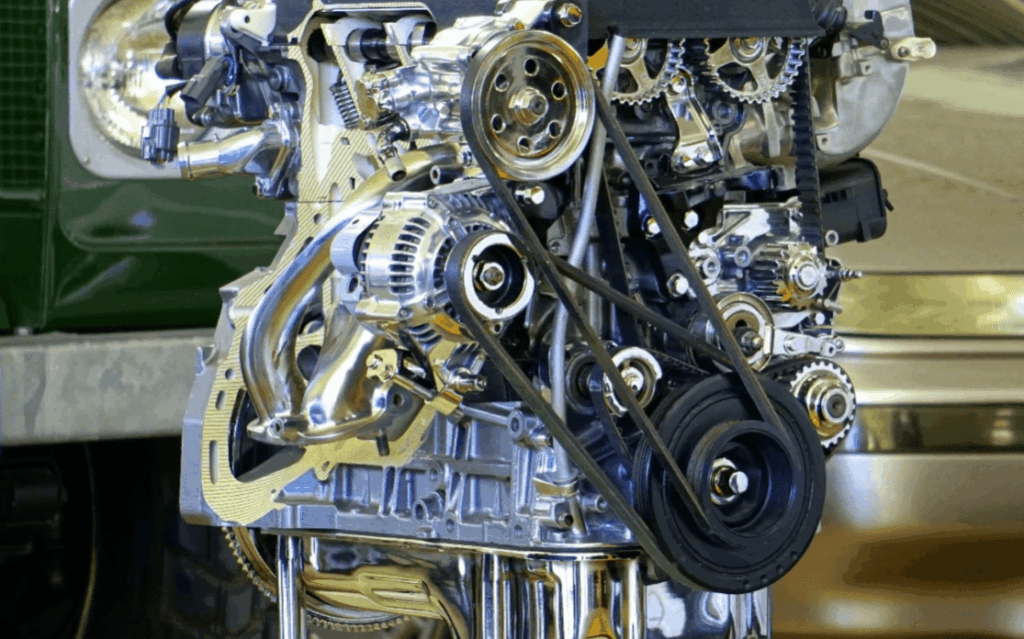
Modern Features and Safety Enhancements
Contemporary vehicles offer advanced safety systems that provide real protection. Features like automatic emergency braking and blind-spot monitoring help prevent accidents. These technologies represent significant improvements over older safety standards.
Connectivity options transform the driving experience completely. Smartphone integration through Apple CarPlay and Android Auto keeps you connected safely. Voice-activated controls and real-time navigation make every journey more convenient.
Engine replacement alone cannot provide these modern benefits. Your vehicle maintains its original infotainment system and safety capabilities. The driving experience remains essentially unchanged despite the fresh powerplant.
Fuel efficiency has seen remarkable advancements in recent years. Modern powertrains deliver better performance with less fuel consumption. Hybrid and electric options offer even greater efficiency gains.
On the other hand, if current features meet your needs adequately, the technological gap matters less. The lower cost of replacement becomes more attractive in this scenario. Your decision should balance technological desires with practical budget considerations.
is getting a new engine like getting a new car: Key Decision Factors
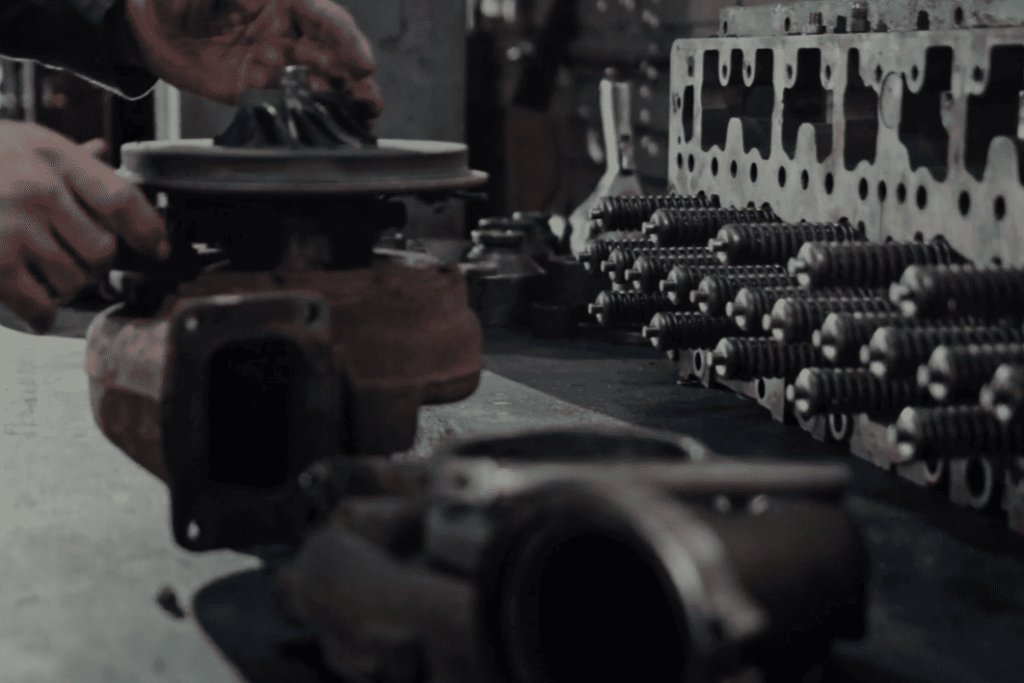
Time constraints and parts availability introduce real-world limitations to your automotive choices. Engine replacement typically requires days or weeks of shop time, disrupting daily routines. Purchasing a different vehicle offers immediate mobility without repair delays.
Parts accessibility heavily influences the replacement option. Common models like Honda Accords feature readily available engines. Rare or luxury vehicles often face substantial delays and higher costs.
Compatibility represents another critical consideration. Not all powerplants work seamlessly with existing transmissions and computer systems. Finding the right match requires mechanical expertise.
Cost differences remain substantial between these paths. Replacement work averages $2,500-$4,000, while buying new exceeds $35,000. Financing options often favor fresh automobile purchases.
Insurance implications vary significantly too. Premiums typically stay stable with engine work since you keep the same vehicle. New transportation almost always increases coverage costs.
Your personal situation heavily influences the best choice. Consider your commute needs, backup transportation options, and tolerance for future repairs. These practical factors often determine the smarter solution.
Ultimately, these represent distinctly different approaches. One extends your current vehicle’s life at moderate cost. The other provides a complete fresh start with modern benefits.
Conclusion
Ultimately, your automotive decision rests on a careful balance of practical factors and personal priorities. This choice between major repair work and different transportation requires thoughtful consideration of your unique circumstances.
We’ve explored multiple dimensions affecting this decision. Cost analysis, overall vehicle condition, environmental impact, and lifestyle needs all contribute to the final value proposition. Each factor carries different weight depending on your situation.
The systematic approach proves most effective for this important choice. Gather accurate quotes, assess your current car’s complete health, and project long-term ownership costs. This methodical evaluation leads to confidence in your final decision.
Whether you opt for replacement work or select different transportation, informed decisions yield the best outcomes. Your satisfaction with the result depends on thorough research and honest self-assessment of needs.