
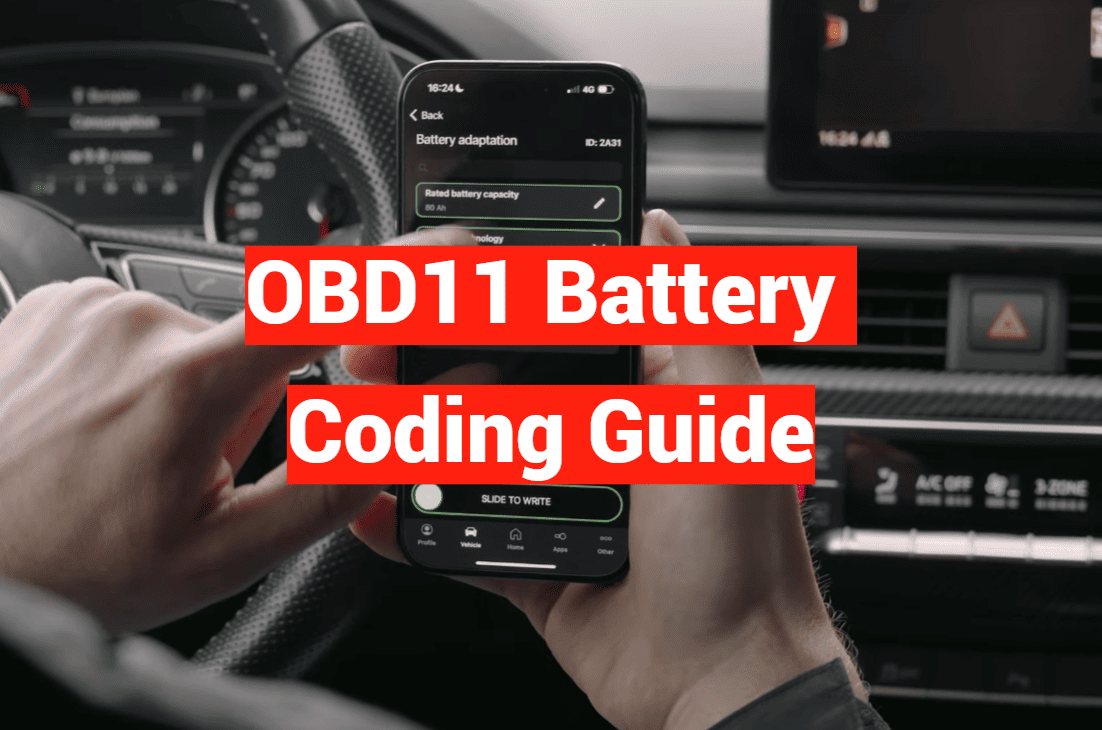
Did you know that over 70% of modern cars require a special computer reset after a simple power cell swap? This isn’t just a dealership upsell. It’s a critical step for your automobile’s health.
Today’s vehicles are packed with smart technology. The engine computer manages the electrical system based on the age and type of the installed power unit. When you install a fresh one, the car needs accurate information.
This guide will walk you through the entire process. We’ll explain why this procedure is so important for brands like Volkswagen and Audi. You will learn how to do it yourself, saving time and money.
By the end, you’ll feel confident maintaining your car’s electrical system. Let’s get started and ensure your new component delivers peak performance and a long life.
Key Takeaways
- Most modern vehicles need a computer reset after a battery change.
- This process ensures the car’s electrical system charges correctly.
- Skipping this step can lead to premature power unit failure.
- The procedure varies between different car makes and models.
- You can perform this task yourself with the right diagnostic tool.
- Proper registration maximizes the lifespan of your new component.
Understanding Car Battery Replacement and Registration
The average lifespan of an automotive power cell can vary significantly based on driving habits and conditions. Most units last three to five years, but extreme weather and frequent short trips can shorten this timeframe considerably.
Regular monitoring helps prevent unexpected failures. Recognizing early warning signs is your first defense against being stranded.
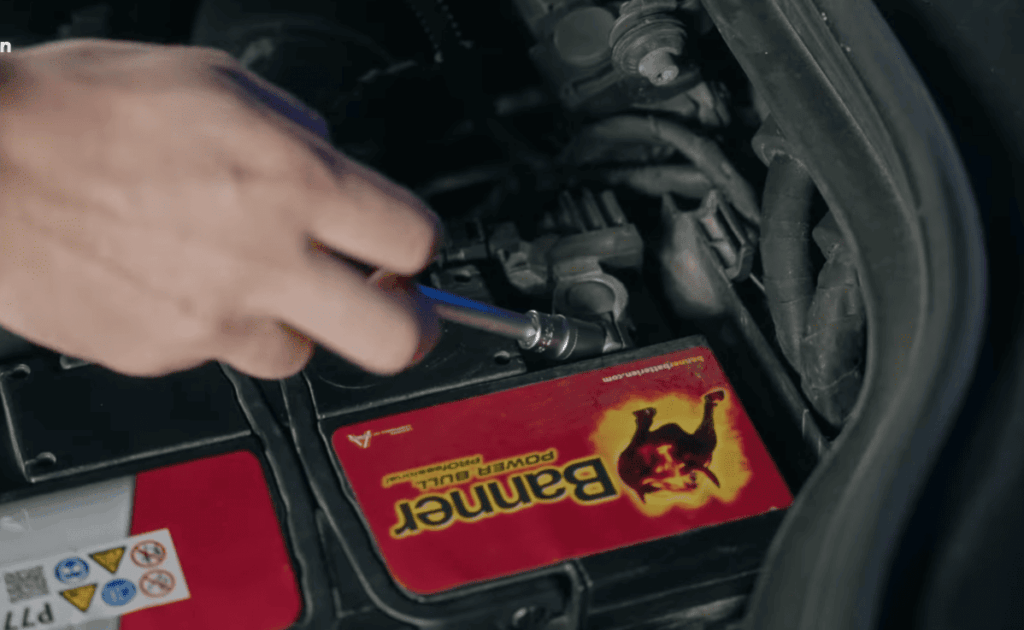
Signs Your Power Unit Needs Replacement
Several clear indicators suggest your electrical component requires attention. A slow engine crank is often the most noticeable symptom.
Dashboard warning lights, especially the battery charge indicator, should never be ignored. Visible issues like swelling or corrosion around terminals also signal immediate action is needed.
Low fluid levels in units with removable caps indicate the end is near. Addressing these signs promptly can save you from more serious electrical problems.
The Importance of Registering a Fresh Power Source
Once you install a fresh power unit, registration becomes critical. This process informs your vehicle’s management system about the change.
Modern cars with start/stop technology particularly need this calibration. The system must reset to properly manage charging cycles for optimal performance.
Skipping this step can lead to undercharging or overcharging issues. Proper registration ensures your investment delivers maximum lifespan and reliability.
Essential Tools and Safety Precautions for Battery Coding
Proper preparation with the right equipment makes all the difference when working on your vehicle’s electrical system. Having everything organized before you start ensures a smooth and successful diagnostic process.
Safety should always come first when handling automotive electrical components. Taking the right precautions protects both you and your car’s sensitive electronics.
Required Tools and Equipment
For this procedure, you’ll need a diagnostic interface that can communicate with your vehicle’s control unit. Popular options include OBDeleven and VCDS systems.
Volkswagen Group vehicles require the OBDeleven 3 device with a PRO or ULTIMATE subscription. BMW models need the same device but only the standard app.
| Vehicle Type | Required Device | Software Needed | Subscription Level |
|---|---|---|---|
| Volkswagen/Audi | OBDeleven 3 | VAG Mobile App | PRO or ULTIMATE |
| BMW Models | OBDeleven 3 | Standard App | Basic |
| Other Brands | Compatible Scanner | Manufacturer Specific | Varies |
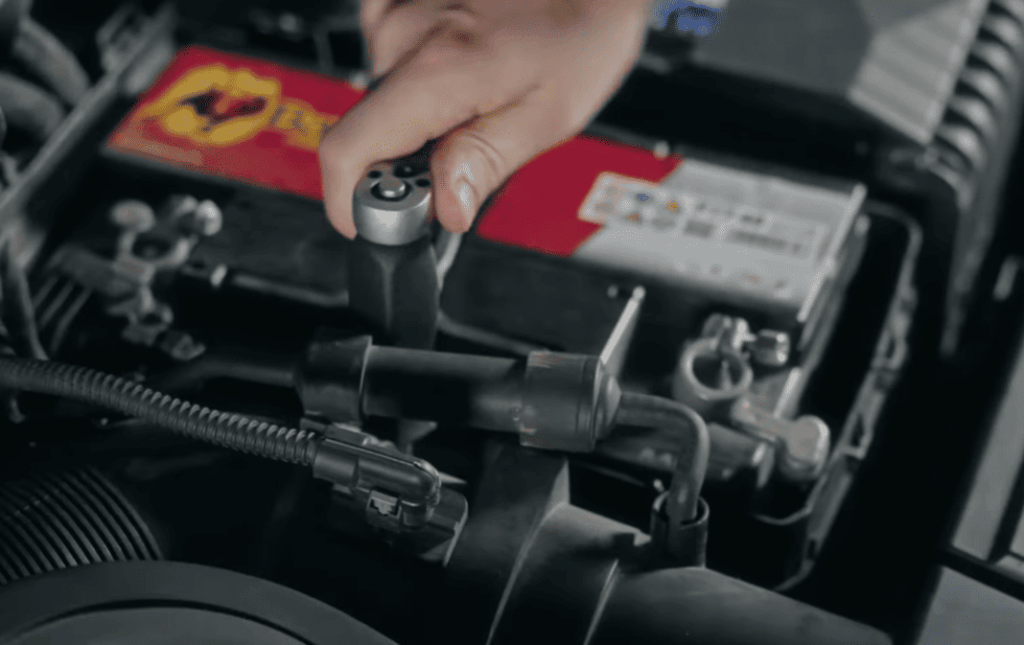
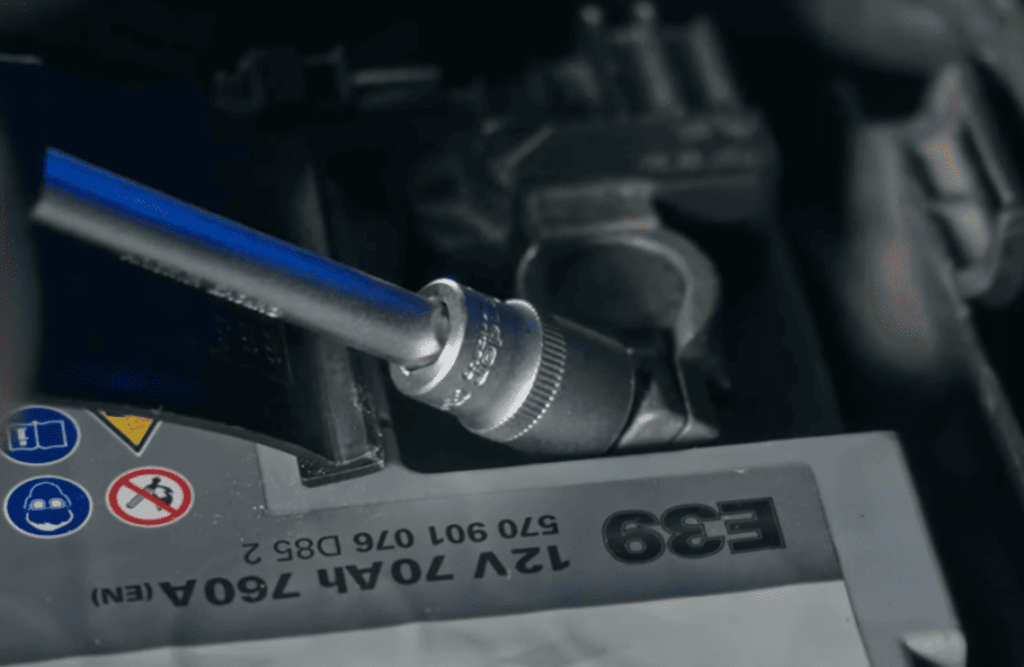
Always wear protective gloves and safety glasses when handling the power unit. Start by disconnecting the cable from the negative post to prevent electrical shorts.
Be careful not to let metal tools touch both posts simultaneously. Verify your new component is fully charged before installation for optimal performance.
Performing obd11 battery coding: A Step-by-Step Process
Getting your diagnostic tool connected is the first crucial step in this process. This hands-on section guides you through the complete adaptation procedure.
Accessing the OBD2 Port and Device Setup
Locate your vehicle’s OBD2 port beneath the dashboard near the steering column. Plug in your OBDeleven device and establish a Bluetooth connection with your smartphone.
The app will automatically detect your vehicle. Navigate to the control units list to begin the adaptation process.
Using OBDeleven for Coding and Adaptation
Vehicle protocol determines your specific procedure. Older VAG models use KWP2000, while newer ones utilize UDS protocol.
For KWP2000 vehicles, find the “Battery Regulation” control unit. Select “Long Adaptation” and enter channel number 4. Input your power unit’s capacity, manufacturer code, and serial number in the value field.
UDS protocol vehicles require accessing the “Gateway” control unit. Choose “Adaptation” and complete all battery adaptation fields.
Coding Differences Between VAG and BMW Models
BMW vehicles simplify the process significantly. If your new component matches the old specifications, use the “12V Battery Registration” app and select RESET.
When specifications differ, first update the type and capacity in the “Battery Type and Capacity” app. Then proceed with registration.
Changing the serial number value is critical across all platforms. This signals to the control module that a replacement occurred.
Battery Registration and Adaptation for Modern Vehicles
Modern cars don’t just use power – they actively manage it. This intelligent management happens through a specialized control module mounted right on your power unit’s negative terminal.
The module constantly monitors and adjusts charging patterns. When you install fresh equipment, the system needs accurate information about your new component.
Adapting to New Battery Specifications
This adaptation process updates four critical values in your vehicle’s memory. You’ll need to enter the correct capacity, manufacturer code, technology type, and a unique serial number.
The serial number change is particularly important. This tells the control system that you’ve installed brand-new equipment rather than simply reconnecting the old one.
Even when replacing with identical specifications, registration remains essential. The system needs to reset its monitoring parameters for optimal performance.
Proper adaptation ensures your vehicle charges the component correctly. This prevents both undercharging and overcharging issues that can shorten lifespan.
Your car’s electrical system will then manage power with optimized cycles. This careful management extends component life and maintains peak performance.
Troubleshooting and Preventing Battery-Related Issues
Your dashboard lighting up after a fresh power unit installation doesn’t necessarily mean something is broken. These warnings are often temporary system recalibrations that resolve with simple procedures.
Common Error Messages and Their Solutions
After installing your new component, start the engine. Calibrate windows by rolling them completely down and up. Disengage and re-engage the parking brake.
Turn the steering wheel lock-to-lock several times. Then take a short test drive of about 200 meters. This sequence often clears most warning lights.
If alerts persist, use your diagnostic tool for a full system scan. This identifies specific faults needing attention. Voltage drops during engine cranking can trigger temporary ACC and Front Assist errors.
Lost calibrations might affect window positions, steering sensors, and safety systems. Performing adaptation quickly resolves these issues.
Preventative Maintenance Tips for a Healthy Battery
Regularly inspect terminals for corrosion and ensure tight connections. Avoid frequent short trips that prevent full recharging.
Be mindful of accessories left running with the engine off. Multiple system faults often indicate voltage issues needing proper coding or charging.
Keep your diagnostic tool handy for monitoring health over time. This helps catch potential issues before they leave you stranded.
Quick tip: Temporarily reduce strain by disabling power-hungry features like the PTC heater option and Coming/Leaving Home illumination.
Conclusion
You’ve just mastered one of the most valuable DIY skills for modern vehicle maintenance. This knowledge puts you in control of your automobile’s electrical health.
Remember that replacing your power source involves two critical steps. The physical installation must be followed by proper system adaptation. This ensures your vehicle manages charging cycles correctly.
Following the correct procedure for your specific model guarantees optimal performance. Your investment in the right diagnostic tool pays for itself quickly. You’ll save money while gaining valuable maintenance capabilities.
Armed with this guide, you can handle electrical system maintenance like a professional. Your vehicle will run smoothly for years to come.