
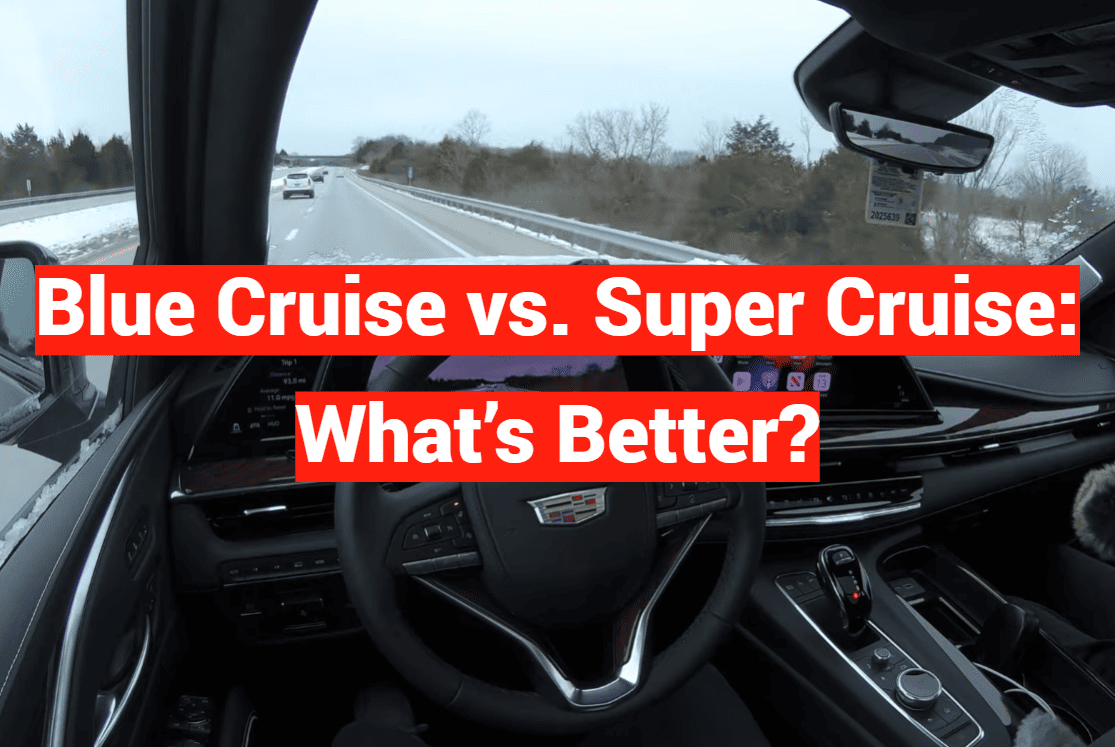
Did you know that over 40% of new car buyers now consider hands-free driving technology a must-have feature when choosing their next vehicle? This surprising statistic shows how quickly automated systems are becoming mainstream.
Two leading technologies are transforming how Americans experience highway travel. These advanced systems represent significant breakthroughs in automotive innovation. They aim to reduce driver fatigue and enhance safety during long journeys.
While both share similar goals, they approach the challenge differently. Understanding which system better suits your needs requires careful comparison. Factors like where you drive most often and what features matter to you will influence your decision.
This comprehensive breakdown examines everything from underlying technology to real-world performance. Whether you’re considering a GM vehicle or a Ford model, you’ll discover each system’s strengths and limitations. By the end, you’ll have a clear picture of which option aligns best with your lifestyle.
Key Takeaways
- Both systems offer hands-free driving capabilities on approved highways
- Technology approaches and coverage areas differ significantly
- User interface and real-world performance vary between the two
- Your driving habits and location impact which system works better
- Safety features and daily usability are key comparison points
- Each system has unique strengths for different types of drivers
- Understanding the differences helps make an informed vehicle choice
Overview of Semi-Autonomous Driving Systems
Today’s advanced driving technologies have evolved far beyond simple speed control systems of the past. These sophisticated assistance packages represent the cutting edge of automotive innovation, designed to make highway travel safer and more comfortable.
Introduction to Hands-Free Driving
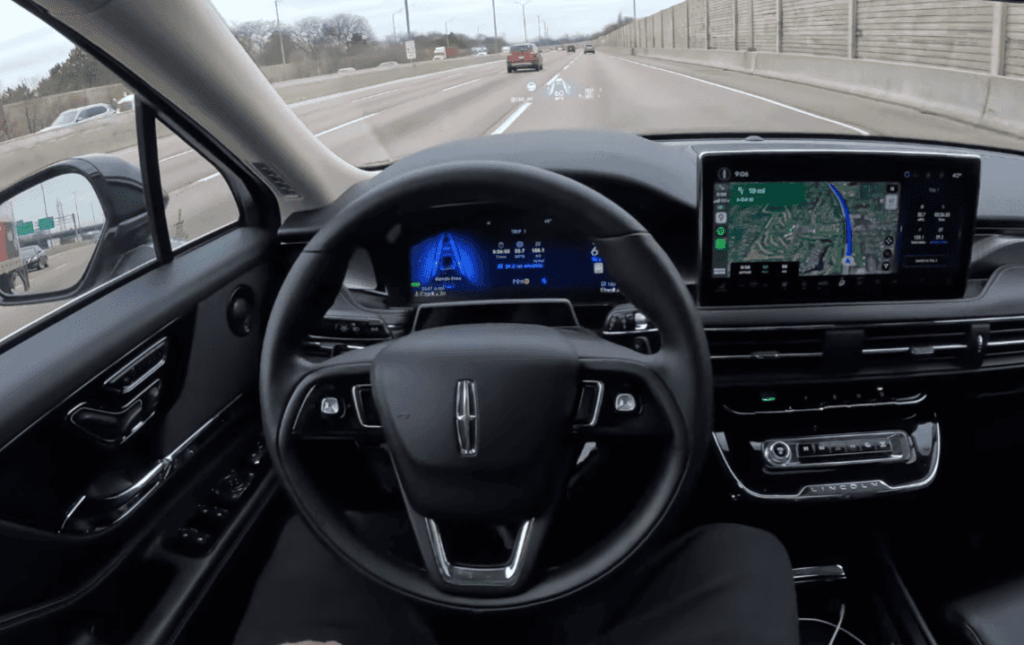
Hands-free driving represents a revolutionary step in automotive technology. This advanced system allows drivers to remove their hands from the wheel under specific highway conditions while the vehicle manages steering, acceleration, and braking.
The technology builds upon decades of development in driver assistance systems. It’s classified as SAE Level 2, meaning the system provides significant help but requires constant driver supervision. This approach keeps safety as the top priority while reducing fatigue during long journeys.
Understanding Adaptive Cruise Control and Its Evolution
Adaptive cruise control forms the foundation of modern hands-free systems. Unlike traditional cruise control that simply maintains speed, adaptive technology automatically adjusts your vehicle’s pace to keep a safe distance from cars ahead.
The evolution from basic speed maintenance to intelligent following distance control took years of innovation. Each generation added more sensors, cameras, and smarter software. Modern systems now integrate lane-keeping technology to create a comprehensive driving assistance package.
As one automotive engineer noted, “We’re not building autonomous vehicles—we’re creating sophisticated co-pilots that work with drivers.” This philosophy guides the development of all current Level 2 systems.
The History and Evolution of Cruise Control Technology
What began as a convenience feature for maintaining highway speeds has evolved into complex driver assistance technology. This journey spans decades of automotive innovation.
Early Innovations and Milestones in Cruise Control
The 1958 Chrysler Imperial introduced modern speed control, marketing it as “Auto-pilot.” For years, basic systems simply maintained set speeds. Drivers had to manually adjust for traffic.
The rivalry between General Motors and Ford fueled rapid advancements. Both companies competed to offer superior driver assistance features.
Progress to Modern Adaptive and Semi-Autonomous Systems
GM’s Super Cruise launched in 2017, establishing an early lead in hands-free technology. Ford entered the market later with BlueCruise in 2021.
This multi-year development gap impacted system maturity and capabilities. The progression from basic speed control to adaptive systems represents a major automotive leap.
| Year | Milestone | Key Feature | Vehicle |
|---|---|---|---|
| 1958 | First Modern System | Speed Maintenance | Chrysler Imperial |
| 2017 | Hands-Free Launch | Super Cruise Technology | Cadillac Vehicles |
| 2021 | Competitive Entry | BlueCruise System | Ford/Lincoln Models |
| Present | Continuous Updates | Over-the-Air Improvements | Multiple Brands |
Both systems continue evolving through software updates. The technology you experience today will improve over time without requiring new vehicle purchases.
Under-the-Hood Technology: Sensors, Mapping, and Software
Modern hands-free driving capabilities are powered by an intricate symphony of hardware and software components that constantly monitor the road environment. These systems combine multiple technologies to create a comprehensive safety net.
Comparing LiDAR, Radar, and Camera Systems
The sensor foundation differs significantly between these advanced driving assistants. GM’s system employs LiDAR mapping technology for highly accurate three-dimensional environmental awareness.
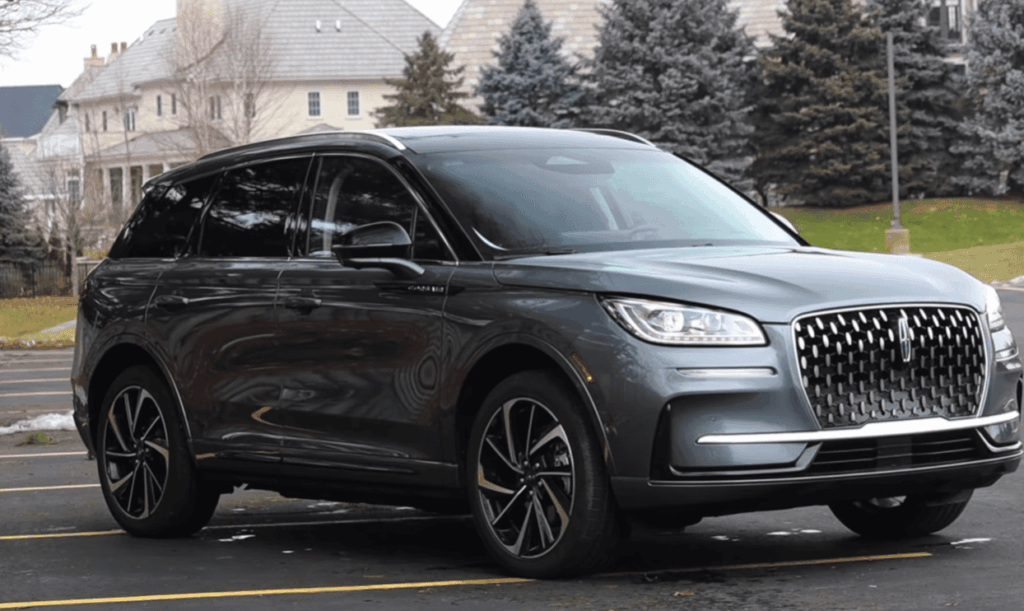
Ford’s approach relies on radar combined with cameras and sensors. While effective, radar generally offers less precision for detecting smaller objects on the roadway.
Both technologies incorporate forward-facing cameras that read lane markings and monitor traffic conditions. This creates a multi-layered safety approach where different systems confirm information before the vehicle takes action.
| Technology | GM System | Ford System | Key Advantage |
|---|---|---|---|
| Primary Sensor | LiDAR Mapping | Radar + Cameras | Object Detection Precision |
| GPS Accuracy | HD Receiver (~6 feet) | Standard GPS | Lane Positioning |
| Driver Monitoring | Steering Column Camera | Infrared A-Pillar/Dash Cams | Attention Tracking |
| Update Frequency | 7-8 Times Annually | Regular OTA Updates | System Improvement |
How Navigation Data and Over-the-Air Updates Enhance Performance
High-definition GPS receivers provide exceptional location accuracy, pinpointing the vehicle within approximately six feet of its lane position. This precision contributes to smoother, more confident lane-keeping performance.
Over-the-air software updates play a crucial role in expanding coverage and improving capabilities. Regular updates ensure the system evolves without requiring dealership visits.
Driver-monitoring cameras represent a critical safety component, tracking eye position to ensure engagement. This technology works alongside navigation data to create a comprehensive driving assistant.
blue cruise vs super cruise: Road Networks and Coverage Comparison
The availability of hands-free driving depends heavily on pre-mapped road networks that vary significantly between systems. Your daily driving experience will be shaped by where these technologies can actually operate.
Mapped Miles and Accessibility on U.S. Highways
GM’s system covers approximately 750,000 miles of limited-access highways across the U.S. and Canada. This extensive network includes most major interstate and state routes.
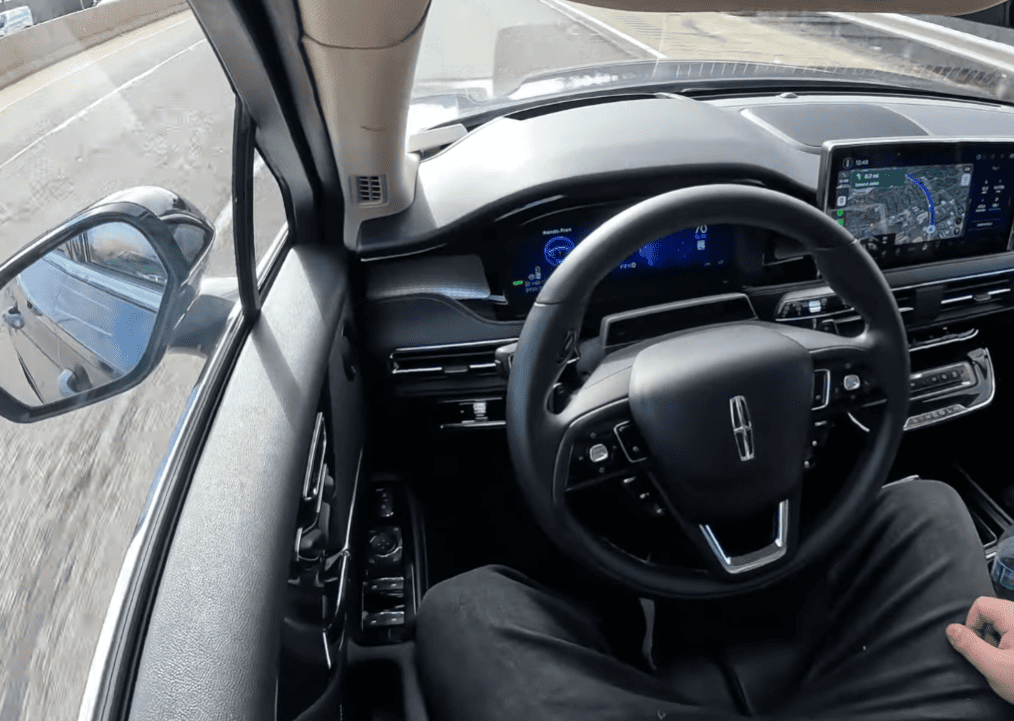
Ford’s technology operates on about 130,000 miles of designated zones. Both automakers restrict hands-free operation to divided highways for safety reasons.
Impact of Coverage on Long-Distance and Local Driving
The coverage difference becomes apparent during extended trips. One system maintains hands-free capability for hours across diverse routes.
For city driving, Ford’s approach provides adaptive assistance on local roads, though requiring hands on the wheel. The GM technology remains highway-exclusive but purpose-built for that environment.
| Coverage Feature | GM System | Ford System | Practical Impact |
|---|---|---|---|
| Mapped Highway Miles | ~750,000 | ~130,000 | Long-distance availability |
| Local Road Operation | Highway-only | Hands-on assistance | City driving support |
| Update Frequency | Regular expansions | Frequent updates | Growing coverage |
| Safety Restrictions | Divided highways only | Designated zones only | Controlled engagement |
User Experience and Performance on the Road
How a driving assistant handles lane changes and communicates with you makes all the difference during long trips. The real-world driving experience reveals more than any specification sheet about these systems’ capabilities.
Automatic Lane Changes and Hands-Free Driving Features
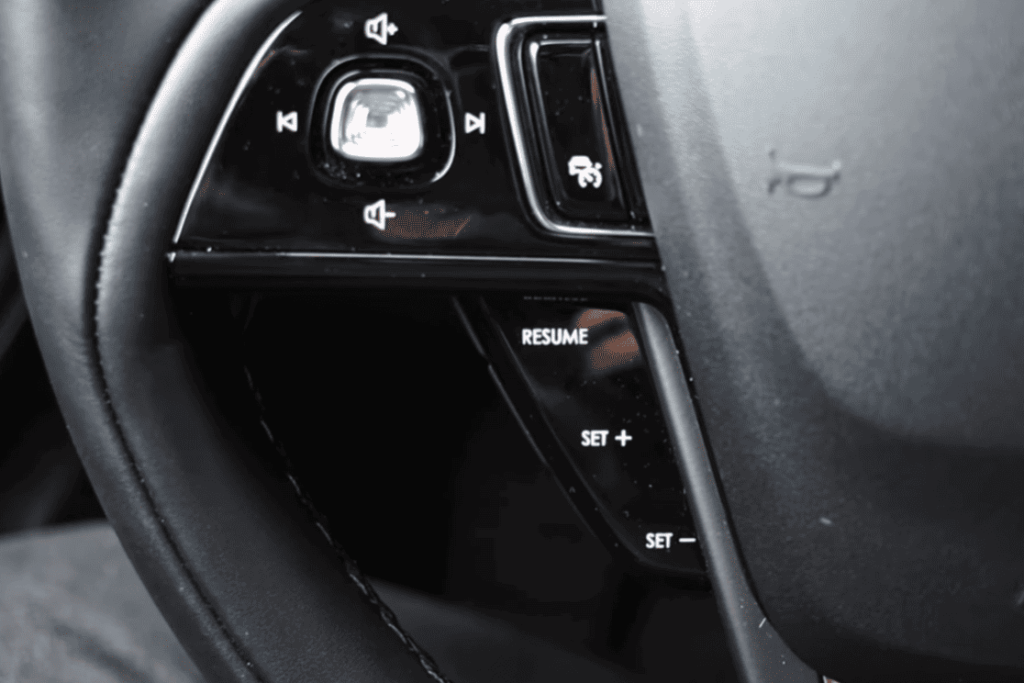
One system offers fully automatic lane changes without any driver input. When it detects slower traffic ahead, it checks blind spots, activates the turn signal, and completes the entire passing maneuver.
The other technology requires manual signal activation for each lane change. It executes the move safely but doesn’t automatically return to your original lane after passing.
This distinction becomes crucial during extended highway travel. One system allows hours of continuous hands-free driving with minimal intervention, handling traffic variations confidently.
Interface Indicators and In-Cabin Alerts for Driver Guidance
The visual feedback systems differ significantly. One uses a colored light bar on the steering wheel that clearly shows when the system is active or needs attention.
The other relies on dashboard icons that can blend with certain interior colors. This makes quick status checks less intuitive during dynamic driving situations.
Recent improvements have enhanced performance dramatically. Earlier versions showed some hesitation in curves and lane positioning, but current models handle these situations much more smoothly.
| Feature | System A | System B | User Impact |
|---|---|---|---|
| Lane Change Automation | Fully automatic | Driver-initiated | Reduces driver workload |
| Steering Wheel Feedback | Colored light bar | Dashboard icons | Ease of status checking |
| Towing Compatibility | Available (limited) | Not available | Practical utility |
| Lane Positioning Display | Standard feature | Visual lane guidance | Driver confidence |
The Mustang Mach-E provides a smooth electric vehicle experience with capable assistance. However, its more cautious approach may require more frequent manual interventions compared to the competing system.
Practical Considerations: City Driving, Towing, and Daily Use
Beyond highway performance, real-world practicality in daily driving scenarios reveals important differences between these technologies. Your daily commute and weekend activities may determine which system better suits your lifestyle.
Ford’s system offers flexibility for local road assistance, providing adaptive cruise control and lane-centering even on unmapped city streets. However, you must keep hands on the wheel in these situations. The GM technology remains highway-exclusive but is specifically optimized for that environment.
When navigating city roads, both systems will adjust speed in response to traffic ahead. They’ll slow for stop lights and signs if following another vehicle. But make sure you understand their limitations—neither will automatically stop at intersections when there’s no car in front.
For drivers who regularly tow trailers, the GM system maintains functionality while towing (though automatic lane changes are disabled). This makes it valuable for long highway trips with heavy loads. The Ford technology currently cannot be used when towing.
Your daily driving patterns matter most. If your commute is primarily highway-based, either system reduces fatigue effectively. But if you navigate mixed city and highway routes, consider how each technology handles transitions between different road types.
Safety and Reliability: Monitoring, Alerts, and System Interventions
The most critical aspect of any hands-free driving technology is its ability to ensure the driver remains engaged and ready to take control. Both systems employ sophisticated monitoring to maintain safety as the top priority.
Driver Monitoring Techniques and Alert Systems
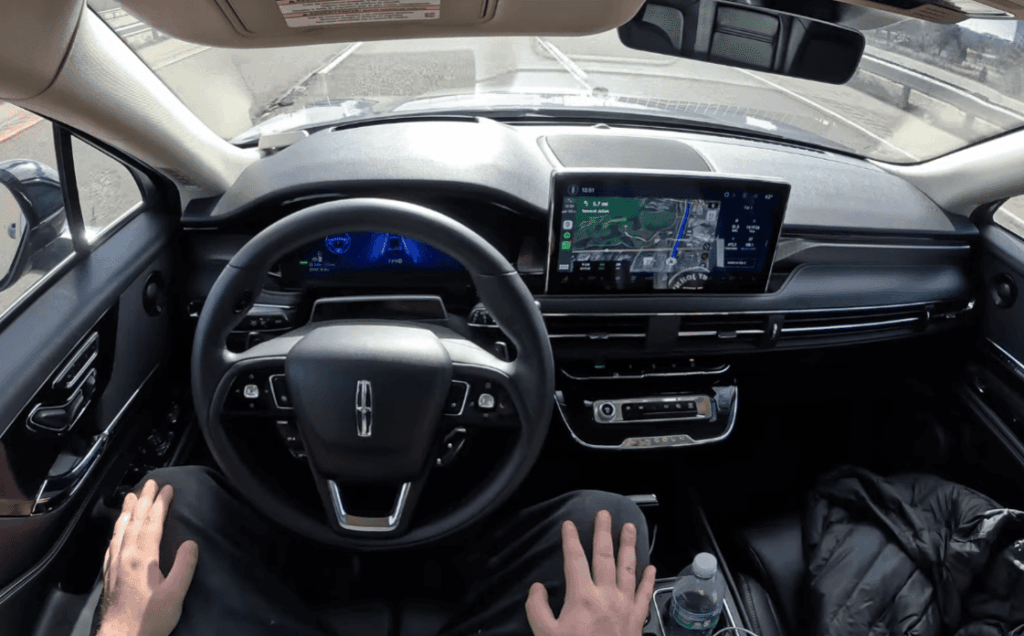
Advanced cameras track whether you’re paying attention to the road. One system uses a steering column camera that monitors both eye position and head orientation. The other relies on infrared cameras focused primarily on eye movement.
When the system detects distraction, it initiates a graduated response. Gentle reminders begin with visual cues on the steering wheel. If ignored, alerts escalate to audible chimes and seat vibrations.
| Safety Feature | System A | System B | User Experience |
|---|---|---|---|
| Primary Monitoring | Eye & head tracking | Eye movement focus | Attention detection |
| Initial Alert | Steering wheel light bar | Dashboard messages | Subtle reminder |
| Escalation | Chimes + vibrations | Audio warnings | Increasing urgency |
| Emergency Action | Full stop + assistance | Slowdown + disengage | Worst-case response |
Emergency Response and Manual Override Capabilities
If a driver remains unresponsive, one system takes decisive action. It activates hazard lights, brings the vehicle to a controlled stop, and contacts emergency services. This feature could save lives during medical emergencies.
The other technology disengages and gradually slows the vehicle while maintaining lane position. Both systems request manual control when approaching complex situations like highway exits or unusual traffic patterns.
Manual override is always immediate. Simply touching the steering wheel, pressing the brake, or tapping the control button returns full authority to the driver instantly. This ensures you remain in ultimate control of your vehicle.
Conclusion
Your highway miles versus city street navigation will ultimately determine which hands-free technology suits you best. Both systems represent impressive advancements in automotive safety.
Super Cruise excels on long highway journeys with its extensive road coverage and confident performance. It delivers the most sophisticated hands-free driving experience available today.
Ford’s system offers valuable assistance on local roads while maintaining strong highway capabilities. Consumer Reports recognized its latest version with top ratings.
The choice comes down to your specific needs. Highway-focused drivers will appreciate one approach, while those with mixed routes might prefer the other.
Both technologies continue evolving through regular updates. Your investment in either system will grow more capable over time.
Consider your actual driving patterns when choosing. You’ll experience cutting-edge assistance that makes every journey safer and more relaxed.