
An electric vehicle’s battery can generate enough heat during fast charging to power several homes. This surprising fact highlights why thermal management is critical in modern EVs.
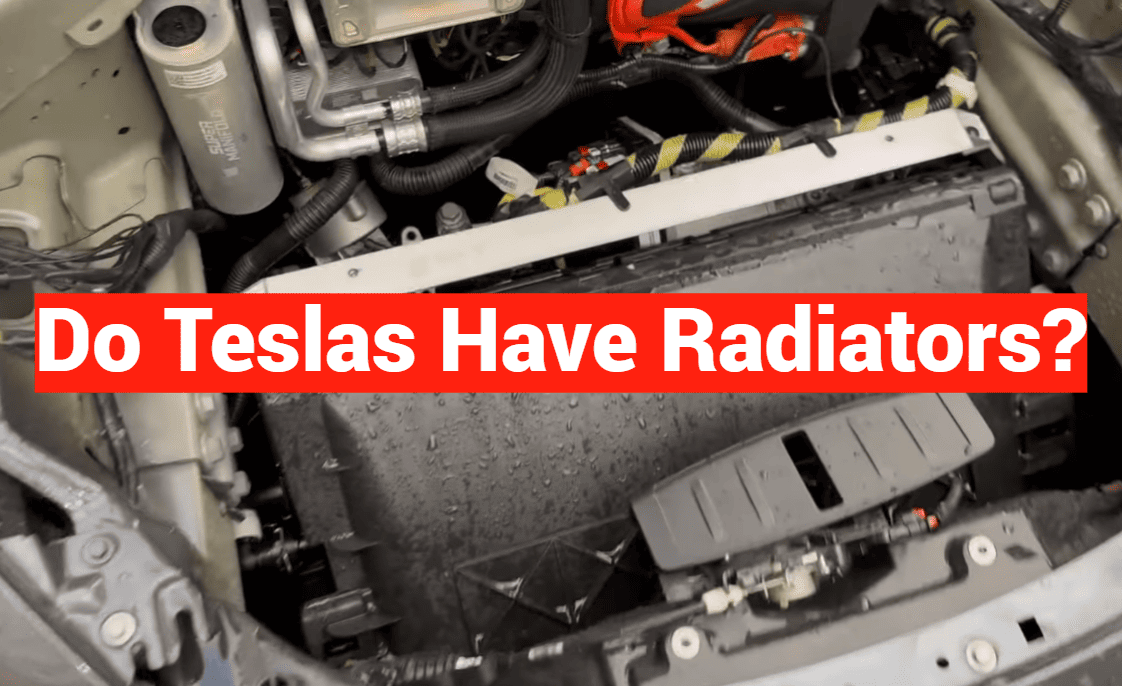
Many people wonder about the role of traditional automotive components in electric cars. The answer is yes, Tesla vehicles do incorporate radiators, but they serve much broader purposes than in gasoline-powered cars.
Instead of just cooling an engine, these components work throughout the entire vehicle. They maintain optimal temperature for the battery pack, electric motors, and power electronics. This comprehensive approach ensures peak performance and efficiency.
The cooling system in Tesla cars represents a significant engineering advancement. It helps preserve battery life, extends driving range, and maintains consistent vehicle performance.
Proper temperature control also enables faster charging capabilities. It ensures cabin comfort in extreme weather conditions too. This innovative approach to heat management sets Tesla apart from both traditional automakers and other electric vehicles.
Understanding this sophisticated cooling system reveals how Tesla optimizes every aspect of their cars. The strategic use of radiators demonstrates the company’s commitment to comprehensive engineering solutions.
Key Takeaways
- Tesla vehicles use radiators for multiple cooling functions beyond engine cooling
- Thermal management systems protect batteries, motors, and electronics
- Proper temperature control extends battery life and driving range
- Cooling systems enable faster charging and consistent performance
- Tesla’s approach differs significantly from traditional gasoline vehicles
- Heat management impacts both vehicle efficiency and passenger comfort
- Innovative cooling techniques contribute to Tesla’s competitive advantage
Understanding Tesla’s Thermal Management System
At the heart of every electric vehicle lies a sophisticated thermal management system that works tirelessly to maintain optimal conditions. This integrated network protects multiple components from extreme temperatures.

Battery Thermal Management: Cooling the Pack
The battery pack requires precise temperature control between 20°C and 40°C. Outside this range, battery chemistry becomes less efficient and long-term health suffers.
During fast charging, thermal management becomes critical. Liquid coolant circulates through channels near battery cells, absorbing excess heat. This prevents dangerous thermal runaway while extending battery life.
Electric Motor Cooling Strategies
Electric motors generate significant heat during acceleration and high-speed driving. Without proper cooling, this heat can reduce motor performance and longevity.
The cooling system maintains motor operating temperature around 200°C. A pump moves coolant through radiators positioned near heat-generating components. This closed-loop system ensures consistent efficiency.
Do Teslas Have Radiators? Their Role in EV Efficiency
Modern electric vehicles rely on sophisticated heat exchange systems that differ dramatically from traditional cars. These components play a crucial role in maintaining optimal temperature across multiple systems.
Design and Functionality of Tesla Radiators
Tesla employs different radiator designs across its vehicle models. The Model S and Model X use plate-fin radiators with active thermal management.
These systems feature thin metal fins that increase surface area for better heat dissipation. Coolant flows through channels while air passes over the fins.
The Model 3 utilizes tubular radiator designs with passive cooling. This approach balances efficiency with cost-effectiveness for more affordable electric cars.
Placement matters too. Most vehicles position these components at the front to maximize airflow. The Model Y’s front-mounted unit helps distribute heat from center to sides.
Impact on Range and Performance
Effective thermal management directly affects driving range. Proper battery temperature control reduces energy waste during operation.
This cooling function ensures consistent power delivery and acceleration responsiveness. Components avoid thermal throttling during demanding driving conditions.
The system’s efficiency translates to more miles per charge. It also minimizes wear on critical parts, protecting long-term performance and value.
These advanced radiators demonstrate how thermal management contributes to overall vehicle performance. They represent a key advantage in modern electric cars.
Innovative Cooling Techniques in Tesla Vehicles
Beyond traditional cooling functions, Tesla integrates climate control with powertrain thermal management. This holistic approach creates a sophisticated cooling system that serves multiple purposes simultaneously.
Advanced Climate Control Systems
The Model Y’s heat pump technology efficiently transfers energy to regulate cabin temperature. This system uses electrical power to move heat into the coolant, which then circulates through strategically placed components.
Unique air circulation design pulls air from under the seats rather than the roof. This approach utilizes cooler ground-level air for better cooling efficiency. The advanced filtration system removes 99.97% of particles while maintaining optimal temperature control.
Regenerative Braking and Heat Dissipation
During regenerative braking, the electric motor generates significant heat while capturing energy. This process requires effective thermal management to maintain system efficiency.
Proper heat dissipation ensures consistent operating temperatures during repeated braking cycles. The cooling system prevents thermal throttling, maximizing energy recovery and driving range.

Comparative Insights with Conventional EV Cooling
Tesla’s integrated approach differs significantly from conventional electric vehicle cooling methods. The company combines liquid cooling with advanced thermal management technologies.
| Cooling Method | Tesla Approach | Conventional EV Approach | Advantage |
|---|---|---|---|
| Battery Temperature Range | Wider operating range | Limited temperature control | Better performance in extreme conditions |
| Motor Operating Temperature | Up to 200°C maximum | Typically 140°C limit | Higher performance capability |
| Air Circulation Design | Under-seat air intake | Roof-level air intake | More efficient cooling |
| Heat Dissipation | Integrated liquid cooling | Separate systems | Better thermal management |
This comprehensive cooling strategy allows Tesla vehicles to maintain optimal operating temperatures across all conditions. The technology represents a significant advancement in electric vehicle thermal management.
Conclusion
Innovative temperature regulation technologies showcase the evolution of automotive thermal management beyond conventional radiator functions. These advanced systems serve multiple critical roles throughout modern electric vehicles.
The comprehensive approach ensures stable operating conditions across diverse climates. This integrated thermal management system maintains optimal temperature range for battery packs and motors.
Strategic radiator placement and design contribute directly to enhanced vehicle performance and extended component life. Proper temperature control supports faster charging capabilities and consistent energy efficiency.
As battery capacities grow and charging speeds increase, sophisticated cooling solutions become even more essential. This forward-thinking engineering philosophy demonstrates how thermal management remains crucial for future electric vehicle development.