
Did you know that engine misfires account for nearly 30% of all diagnostic trouble codes reported by modern vehicles? When that check engine light starts flashing, it’s your car’s way of sending an urgent message.
The P0300 code specifically indicates random or multiple cylinder misfires happening under your hood. This means your vehicle’s computer has detected irregular combustion patterns that need immediate attention.
Ignoring this warning can lead to serious consequences. You might experience rough idling, noticeable power loss, and decreased fuel efficiency. More importantly, continued driving with this issue can cause expensive damage to critical components like your catalytic converter.
The root causes can vary widely. Sometimes it’s simple fixes like worn spark plugs or failing ignition components. Other times, it involves more complex fuel delivery issues or vacuum leaks.
This comprehensive guide will walk you through everything you need to know. We’ll cover what this diagnostic code means, common causes, proper diagnosis methods, and effective repair solutions. Whether you’re a DIY enthusiast or prefer professional help, we provide clear steps for every skill level.
By the end, you’ll have the knowledge and confidence to address this engine problem efficiently. You’ll also learn how to prevent future issues and keep your vehicle running smoothly.
Key Takeaways
- The P0300 code indicates random misfires across multiple cylinders
- Immediate attention is crucial to prevent serious engine damage
- Common causes include spark plug issues and ignition system failures
- Fuel delivery problems and vacuum leaks can also trigger this code
- Proper diagnosis saves time and prevents unnecessary repairs
- Both DIY solutions and professional options are available
- Addressing the issue promptly protects your catalytic converter
Understanding the P0300 Error Code
Modern vehicles are equipped with sophisticated monitoring systems that detect even the slightest irregularities in engine performance. When these systems identify multiple cylinder misfires occurring randomly, they trigger a specific diagnostic trouble code that requires immediate attention.
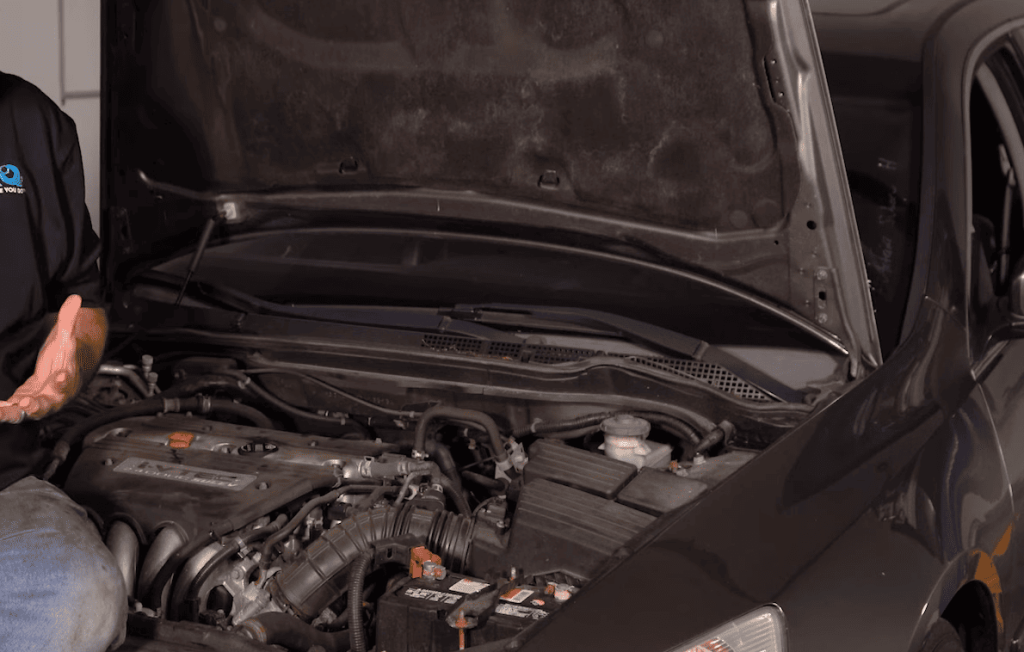
What is a P0300 Code?
This generic OBD-II diagnostic trouble code indicates random misfires across multiple cylinders. Unlike single-cylinder codes, it shows an inconsistent pattern affecting various parts of your engine simultaneously.
The engine’s computer detects when insufficient fuel burns in one or more cylinders. This typically appears alongside specific cylinder codes that pinpoint exact trouble spots.
| Code Type | Pattern | Cylinders Affected | Common Accompanying Codes |
|---|---|---|---|
| P0300 | Random, inconsistent | Multiple | P0301, P0302, P0303 |
| Single-cylinder codes | Consistent pattern | One specific cylinder | None typically needed |
| Other misfire codes | Varies by specific issue | Depends on root cause | Fuel or ignition system codes |
Symptoms and Warning Signs
A flashing check engine light is the most serious warning sign. You might notice rough idling or shaking when stopped. Acceleration may feel hesitant or stumbling.
Other symptoms include decreased fuel efficiency and strong fuel odors. Visible exhaust smoke or unusual engine noises can also indicate underlying problems.
How Random Misfires Affect Engine Performance
Random misfires disrupt the balanced combustion process across multiple cylinders. This causes the engine to run roughly and lose power significantly.
Unburned fuel can overheat the catalytic converter, leading to expensive damage. Ignoring these issues affects fuel trim readings and may cause intake valve deposits.
Early detection prevents minor issues from becoming major repairs. The severity can range from barely noticeable to severe shaking that affects drivability.
Common Causes Behind the P0300 Code
Multiple cylinder misfires can stem from various mechanical and electrical problems within your engine. Understanding these common issues helps you pinpoint the root cause more efficiently.
Ignition Issues: Worn Spark Plugs and Failing Coils
Worn spark plugs are the most frequent culprit. They lose their ability to create a consistent spark over time.
Failing ignition coils and damaged wires also prevent proper spark delivery. This leads to incomplete combustion across multiple cylinders.
Fuel Delivery Problems: Low Fuel Pressure and Clogged Injectors
Fuel system issues create lean conditions where combustion can’t occur properly. A weak fuel pump or clogged filter causes low fuel pressure.
Dirty injectors disrupt the precise air-fuel mixture needed. Uneven spray patterns affect combustion consistency.
Other Factors: Vacuum Leaks, Timing Problems, and Head Gasket Issues
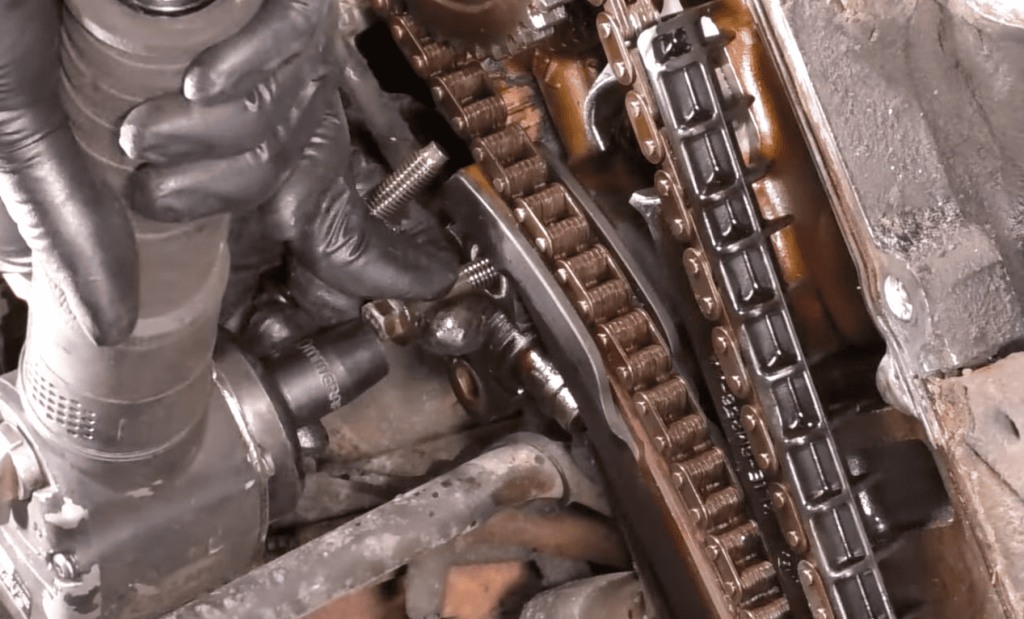
Vacuum leaks introduce unmetered air, throwing off the fuel balance. Timing belt wear affects valve operation across cylinders.
Serious mechanical problems like head gasket failure allow fluid into combustion chambers. This causes compression loss and erratic firing.
| Cause Category | Common Symptoms | Typical Fixes |
|---|---|---|
| Ignition System | Rough idle, hesitation | Spark plug replacement, coil repair |
| Fuel Delivery | Power loss, poor mileage | Injector cleaning, pump replacement |
| Mechanical Issues | Overheating, smoke | Gasket replacement, timing adjustment |
Troubleshooting ford po300 error code
The key to resolving random misfire problems lies in following a step-by-step diagnostic process. This systematic approach helps identify whether the issue stems from ignition, fuel, or mechanical systems.
Using OBD-II Scan Tools for Accurate Diagnosis
Begin by connecting a quality scan tool to read all diagnostic trouble codes. This confirms whether the P0300 code appears alone or with cylinder-specific codes that narrow down the problem.
Review the freeze frame data captured when the misfire occurred. This shows exact engine conditions like RPM, load, and temperature, providing valuable clues about what triggered the issue.
Visual Inspection and System Testing
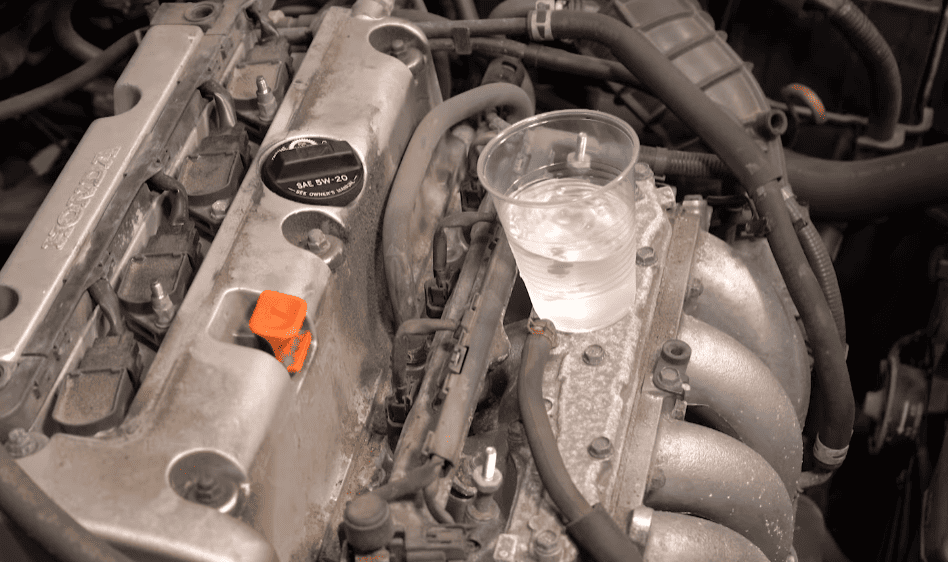
Start with a thorough visual check under the hood. Look for cracked vacuum lines, damaged spark plug wires, and loose electrical connections. Inspect ignition coils for cracks or oil contamination.
Move to system testing using a fuel pressure gauge to verify proper delivery. Test injectors by checking resistance values and listening for proper operation with a stethoscope.
For ignition components, try swapping spark plugs or coils between cylinders. If the misfire follows the component, you’ve found the faulty part. This saves time and prevents unnecessary replacements.
Advanced testing includes compression checks and timing inspections. These help identify internal engine wear or mechanical issues that cause combustion problems across multiple cylinders.
DIY Tips and When to Call a Professional
Determining whether to fix an engine problem yourself or seek professional help depends on several key factors. Your experience level, available tools, and the complexity of the issue all play important roles in this decision.
Basic Repairs You Can Handle at Home
Many common causes of random misfires are manageable with basic automotive knowledge. Replacing worn spark plugs and ignition coils often resolves the issue completely.
You can also inspect vacuum hoses for cracks and check spark plug wires for damage. Cleaning the mass airflow sensor helps maintain proper air-fuel ratios. Always disconnect the battery before working on electrical components.
Indicators That Signal It’s Time for a Mechanic
Certain symptoms indicate you need professional assistance. Low fuel pressure readings or compression test failures suggest serious internal problems.
Evidence of head gasket leaks or timing issues requires specialized equipment. Persistent misfires after basic repairs also warrant expert diagnosis. Complex electrical faults involving the PCM need advanced tools.
| Situation | DIY Approach | Professional Needed |
|---|---|---|
| Worn Spark Plugs | Replace with proper torque | Only if access is difficult |
| Fuel Pressure Issues | Basic visual inspection | Testing and pump replacement |
| Compression Problems | None recommended | Full engine diagnosis required |
| Electrical Faults | Check connections | Advanced diagnostic testing |
Conclusion
That flashing check engine light is your vehicle’s direct line of communication. The P0300 code signals a real problem that demands your attention.
Whether it’s simple wear on spark plugs or a complex compression issue, finding the root cause is the most important step. Addressing it quickly protects your engine and saves you time and money.
While some fixes are great DIY projects, knowing when to call a professional is a sign of smart car care. Don’t let persistent misfires frustrate you.
SOLO offers expert diagnostics and repairs to get your car running smoothly again. With the right approach, you can confidently solve this issue and get back on the road.