
Did you know that over 65% of drivers will experience some form of unusual vehicle noise within the first five years of ownership? If you’re hearing strange sounds from your automobile, you’re definitely not alone in this common automotive situation.
That high-pitched squeal or persistent chirping isn’t just an annoyance—it’s your vehicle’s way of communicating that something needs your attention. These audible warnings can signal anything from simple wear-and-tear to more serious underlying issues.
Ignoring these sounds can lead to much more expensive repairs down the road. More importantly, they could potentially create safety hazards for you and other motorists. The good news is that many of these noises have simple fixes you can handle yourself.
This comprehensive guide will help you identify different types of automotive sounds, understand what causes them, and know what actions to take. We’ll provide practical DIY inspection tips and clear guidance on when professional help is necessary.
Key Takeaways
- Unusual vehicle noises are experienced by most drivers and should not be ignored
- These sounds serve as important warning signals about potential issues
- Addressing noises early can prevent costly repairs and safety risks
- Many common automotive sounds have simple, DIY solutions
- This guide will help you identify causes and determine appropriate actions
- Knowing when to seek professional help is crucial for vehicle maintenance
- Proactive attention to your automobile’s sounds ensures safer driving
Understanding Car Squeaking Issues
That persistent chirp or high-pitched squeal serves as your automobile’s early warning system. These audible signals aren’t random annoyances—they’re specific messages about your vehicle’s condition. Learning to interpret these sounds can save you from costly repairs and ensure your safety on the road.
Overview of Common Noises and Symptoms
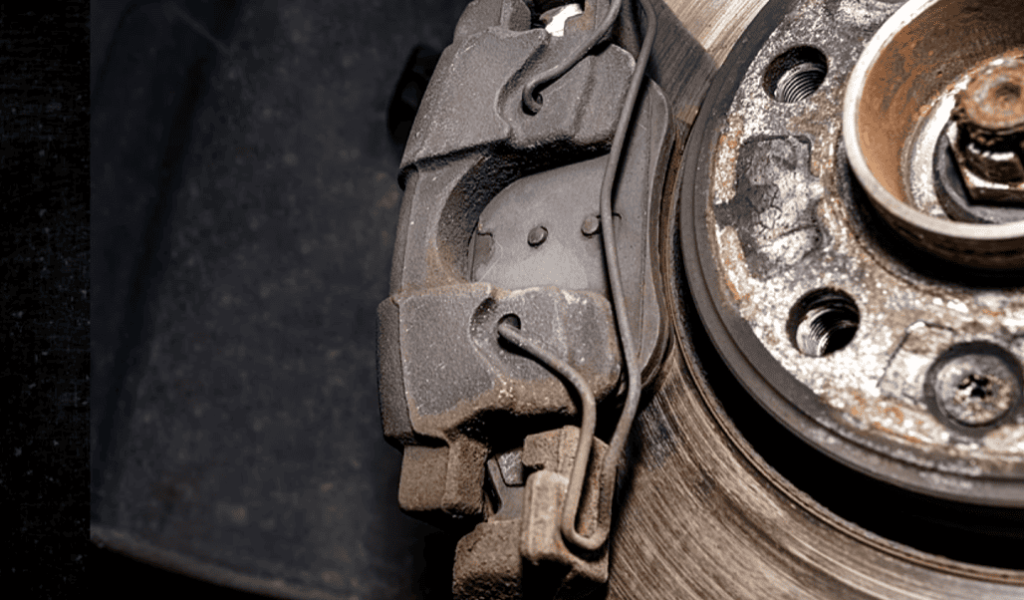
Different types of automotive noises indicate distinct maintenance needs. High-pitched squeals often point to belt issues, while grinding sounds typically signal brake problems. Intermittent chirping might suggest suspension concerns.
Pay close attention to when these sounds occur. Startup noises differ from those heard during turns or braking. Constant sounds while moving indicate different issues than occasional ones. Some warning signs accompany dashboard lights or performance changes.
Why Addressing Squeaks Matters
Ignoring these warning sounds creates serious safety risks. Worn brake components reduce stopping power, while suspension problems affect handling. What begins as a minor noise can escalate into major mechanical failure.
Early intervention prevents small issues from becoming expensive problems. Addressing squeaking promptly protects both your wallet and your well-being. While not every sound indicates an emergency, treating them as important warnings is the smart approach to vehicle ownership.
Common Causes of Car Squeaking When Driving
Several mechanical systems can produce those troubling sounds you hear from your vehicle. Understanding which components typically cause these noises helps you identify potential issues early.
Worn Brake Pads and Rotors
Your brake system often generates audible warnings. Most brake pads include built-in wear indicators that create squealing when they thin out.
Rotors can also cause noise when warped or damaged. This issue frequently comes with reduced stopping power.
Loose or Worn Serpentine Belts
The serpentine belt powers critical engine components like the alternator and power steering. As this belt ages, it may stretch or crack.
Signs of wear include squeaking during startup or when using accessories. Regular replacement prevents more serious damage.
Suspension and Wheel Bearings Issues
Your vehicle’s suspension system contains many moving parts. Worn shocks or bushings create noise when navigating bumps.
Wheel bearings allow smooth rotation but produce high-pitched sounds when failing. This noise coming from the wheels often worsens with speed.
DIY Inspection and Quick Fix Tips
Taking a few minutes for a simple self-check can save you a trip to the repair shop and help you understand your automobile better. Many common issues have visible signs that anyone can spot with basic observation.
Start by noting when the sound occurs. Does it happen during braking, turning, or acceleration? Is it constant or intermittent? This information helps narrow down the possible causes.
How to Check Brake Pads and Rotors
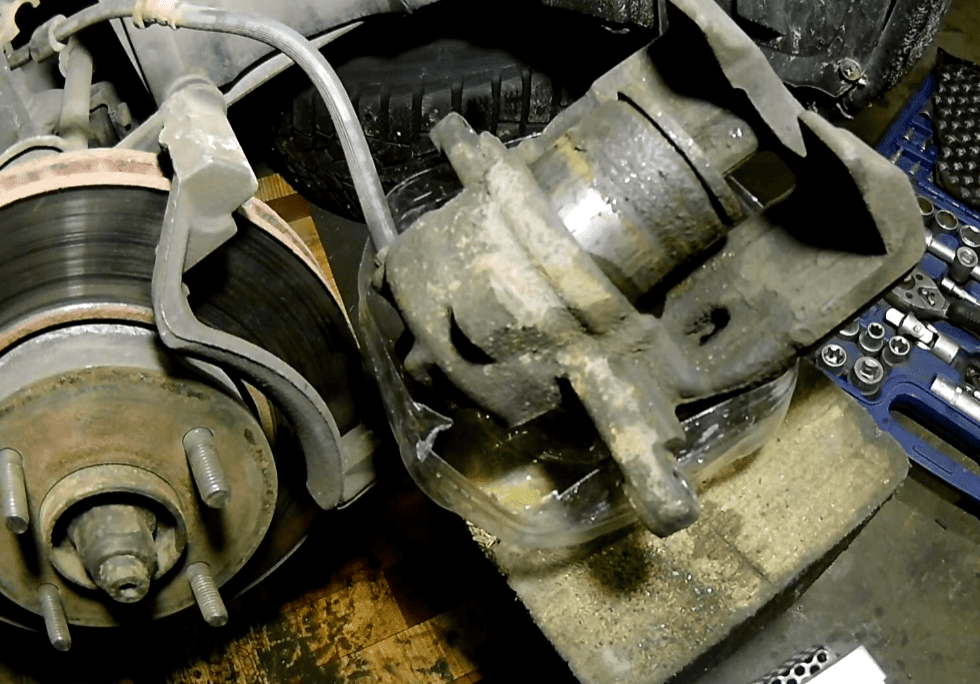
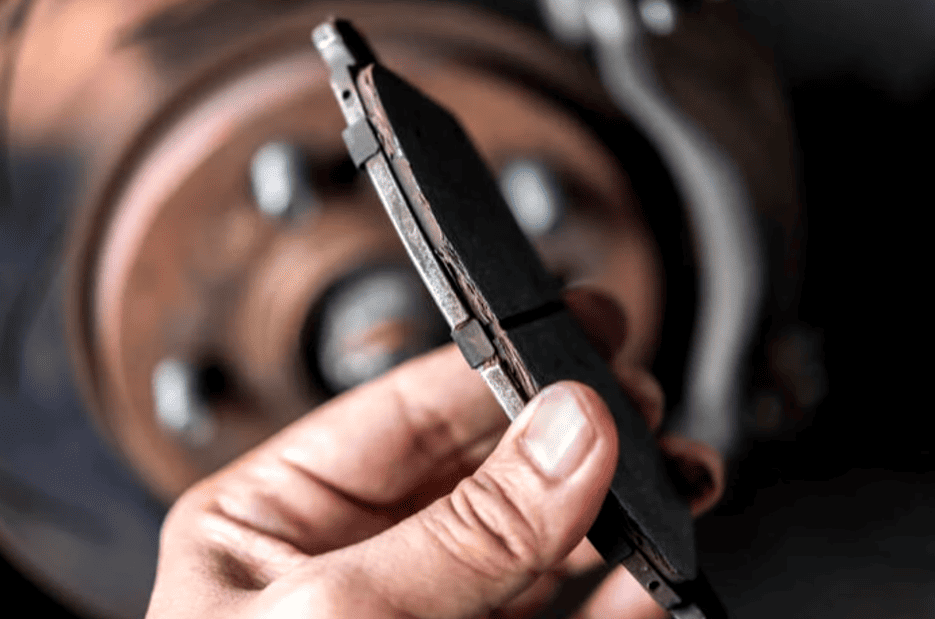
Look through your wheel spokes at the brake pads. They should have at least 1/4 inch of material remaining. Worn pads appear thin and may show metal indicators.
Examine the rotors for deep grooves or blue discoloration. Warped rotors often cause vibration when applying the brakes. These issues contribute to unusual sounds.
Inspecting Belts, Fluids, and Suspension Components
Check your serpentine belt for cracks or glazing. A properly tensioned belt should have minimal deflection. Low fluid levels can also cause performance issues.
Power steering fluid is easy to check and top up. Containers cost under $15 and can resolve steering-related sounds quickly.
Look at suspension components for worn bushings or leaks. These parts affect handling and can create various noises when worn.
| Inspection Area | What to Look For | Quick Fixes | Professional Help Needed |
|---|---|---|---|
| Brake System | Thin pads, grooved rotors | Top up brake fluid | Pad replacement, rotor resurfacing |
| Belts | Cracks, looseness, glazing | Proper tension adjustment | Belt replacement |
| Fluids | Low levels, discoloration | Top up appropriate fluids | System flush, leak repair |
| Suspension | Worn bushings, leaks | Lubrication of components | Component replacement |
Remember that while these checks can identify obvious problems, some issues require professional diagnostic equipment. If the squeaking noise persists after basic inspection, consult a qualified technician for proper repair.
When to Seek Professional Mechanic Assistance
Sometimes the smartest automotive decision involves knowing when your DIY efforts should end. While many issues have simple fixes, certain situations clearly demand professional expertise. Recognizing these warning signs protects both your safety and your wallet.
Warning Signs and Safety Concerns
Pay close attention to sounds that intensify or occur with other symptoms. Loud squeaking during braking indicates components that need replaced immediately. Reduced stopping power creates serious safety risks.
Dashboard lights, steering difficulties, or performance changes signal complex problems. These require a mechanic‘s diagnostic tools. Ignoring these warning signs can lead to complete system failure.
Cost Implications of Delayed Maintenance
Small issues often cascade into expensive repairs if neglected. Worn brake pads costing $150 can damage rotors, increasing the repair bill to $500+. A $200 belt replacement prevents thousands in engine damage.
Professional repairs address the root cause, not just symptoms. This saves money long-term and ensures your vehicle operates safely. Knowing when to call a mechanic is smart vehicle ownership.
Maintenance and Preventative Measures
Your vehicle’s owner’s manual holds the key to preventing most noise issues. Following the recommended maintenance schedule is your first line of defense against unwanted sounds.
Regular care keeps all components working smoothly. This proactive approach saves money and prevents headaches.
Scheduling Regular Inspections
Stick to your manufacturer’s timeline for service. Oil changes, brake checks, and tire rotations are essential.
Professional mechanics spot early signs of wear during inspections. They can address issues before they become noisy problems.
Key replacement intervals to remember:
- Serpentine belt: Every 50,000 miles
- Brake pads: Every 10,000-20,000 miles
- Timing belt: Every 40,000-100,000 miles
Fluid Checks and Timely Belt Replacements
Regular fluid maintenance prevents many noise issues. Check these essential liquids monthly:
Power steering fluid ensures smooth turning. Low levels can cause steering sounds. Engine oil lubricates critical parts.
Brake fluid maintains stopping power. Proper suspension lubrication prevents bumps from creating noise.
Your vehicle will thank you for consistent care. Regular maintenance keeps everything running quietly and efficiently.
Additional Insights from Auto Repair Experts
Professional mechanics see hundreds of noise complaints each year, giving them unique insight into common vehicle issues. Their real-world experience provides practical solutions that go beyond textbook diagnoses.
Expert Interviews and Real-World Advice
Experienced technicians emphasize tire-related causes for unusual sounds. Uneven wear patterns or improper inflation can create pavement contact issues. Mechanics recommend checking tire pressure against manufacturer specs regularly.
Wheel alignment problems often cause steering-related noises. When your vehicle pulls to one side, it’s time for professional correction. This prevents uneven tire wear and steering system stress.
Power steering issues frequently generate turning sounds. Low fluid levels are a common culprit. Contaminated fluid or pump failure requires immediate mechanic attention.
Suspension system noises are particularly telling in older vehicles. The components that absorb road shocks naturally wear over time. Sometimes fresh lubrication solves the problem.
Major components like springs and shock absorbers may need replacement. Wheel bearing issues present as high-pitched sounds that intensify with speed. These require prompt repair for safety.
Engine-related squealing from serpentine belts demands early attention. Professional diagnosis can prevent complete failure. “Addressing noises promptly saves customers from costly breakdowns,” notes one veteran auto technician.
Conclusion
Proactive vehicle care begins with understanding what different noises mean for your safety and budget. Unusual sounds are your automobile’s way of asking for attention before a minor issue becomes a serious problem.
Whether the noise comes from brake components, suspension systems, engine belt assemblies, or steering fluid deficiencies, prompt action prevents costly repairs. Regular maintenance is your best defense against mechanical wear.
Remember that vehicle warranties often require proper upkeep. Ignoring warning sounds can void coverage. Some fixes are simple DIY projects, while others need a professional mechanic‘s expertise.
A quiet ride isn’t just more pleasant—it’s fundamentally safer. Listening to your vehicle and addressing concerns promptly protects your investment and ensures reliable transportation for years to come.