
Did you know that hundreds of thousands of vehicles have been affected by a specific engine monitoring issue? When that check engine light illuminates, it can send a wave of concern through any car owner. Understanding what’s happening under the hood is the first step toward a solution.
This diagnostic trouble code is exclusive to certain models from specific manufacturers. It relates directly to the Knock Sensor Detection System (KSDS), a sophisticated technology designed to protect your vehicle’s heart. The system monitors vibrations from the engine block, looking for unusual signals that could indicate trouble.
This comprehensive guide will walk you through everything you need to know about this particular situation. We’ll cover what it means for your automobile, how to diagnose the problem, and practical steps for resolution. Our advice is tailored specifically for owners in the United States.
The issue has been significant enough to prompt manufacturer recalls, warranty extensions, and legal actions. While the warning can indicate serious mechanical problems, there are also simpler, less expensive causes. Early intervention is crucial and can potentially save you thousands in repair costs.
We’ve designed this information in a friendly, easy-to-understand format. You’ll learn about diagnostic procedures, troubleshooting steps, repair options, and important warranty details. Let’s get your vehicle running smoothly again.
Key Takeaways
- This specific diagnostic code appears only on certain Hyundai and Kia models
- The issue relates to the Knock Sensor Detection System monitoring engine vibrations
- It has affected numerous vehicles and prompted manufacturer responses
- Early diagnosis can prevent more serious and expensive engine damage
- Both simple fixes and complex repairs are possible depending on the cause
- Warranty extensions may cover repairs for eligible vehicles
- Professional diagnosis is recommended for accurate assessment
Understanding the Kia P1326 Error Code: Causes and Symptoms
The connection between unusual engine vibrations and potential mechanical failure is what specialized monitoring systems are designed to catch. This particular alert indicates that the knock sensor detection system has identified vibrations outside normal parameters.
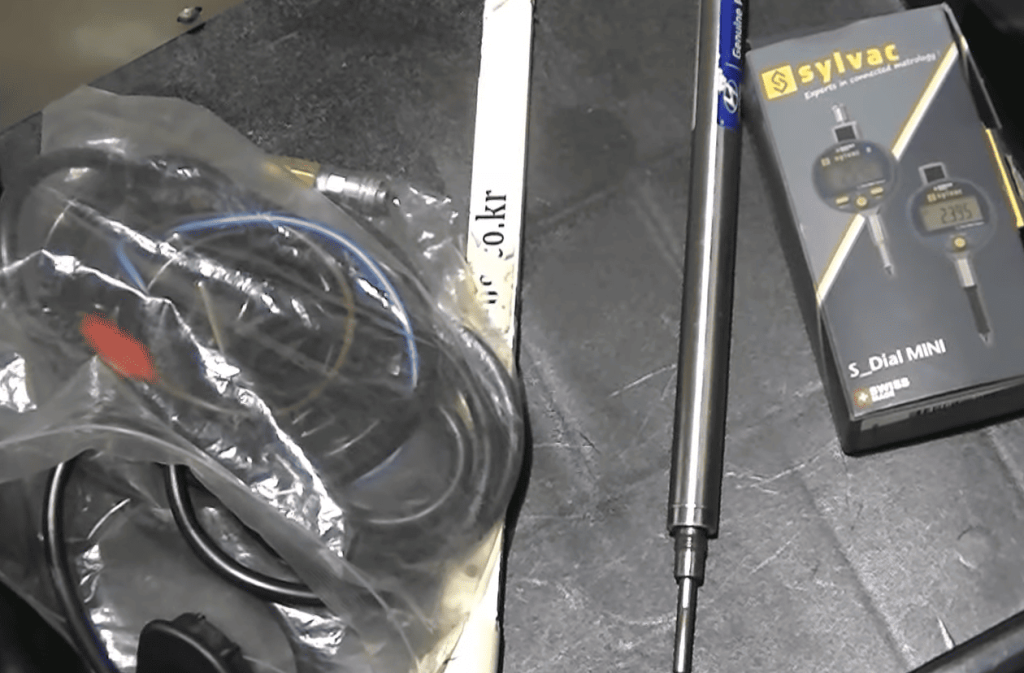
Overview of the Knock Sensor Detection System
The knock sensor detection system constantly monitors your engine block. It sends vibration data to the Powertrain Control Module for analysis. This technology was developed after bearing failures affected over 1.2 million vehicles.
The system specifically watches for connecting rod bearing issues. When these bearings fail, they can cause severe engine damage. Early detection through this sensor detection system helps prevent complete engine failure.
| Potential Cause | Severity Level | Typical Outcome |
|---|---|---|
| Faulty knock sensor | Low | Sensor replacement needed |
| Poor electrical connection | Medium | Wiring repair required |
| ECM needs software update | Medium | Dealer update necessary |
| Critical engine failure | High | Possible engine replacement |
Identifying Common Symptoms and Engine Warnings
Drivers may notice several warning signs when this detection system activates. A solid check engine light suggests monitoring is needed. A flashing light indicates immediate attention is required.
Other symptoms include rough idling, starting difficulties, and reduced performance. The vehicle might enter limp mode to prevent further damage. Fuel economy often decreases noticeably during these events.
Following Service Campaign 966, eligible vehicles received extended warranty coverage. This provides important protection for owners facing these issues.
Diagnostic Process and Key Checks
Proper diagnosis begins with confirming the specific alert before diving into complex repairs. A systematic approach helps identify whether you’re dealing with a simple electrical issue or something more serious.
Starting with the right tools and methods can save you significant time and money. Let’s walk through the essential diagnostic steps.
Using an OBD-II Scan Tool to Identify the Issue
Your first step is to use an OBD-II scan tool to verify the stored alert. Many auto parts stores offer free scanning services, or you can purchase an affordable home unit for under $30.
Once confirmed, clear all stored alerts and take your automobile for a test drive. If the same notification returns, you know you’re dealing with a persistent issue that needs attention.
Inspecting Electrical Connections and Wiring
Electrical problems are among the most common causes of false readings. Carefully examine the knock sensor’s connections for corrosion, damage, or loose fittings.
Check the wiring harness for breaks or shorts where wires might touch each other or metal surfaces. A simple visual inspection often reveals obvious issues.
| Diagnostic Step | Tools Needed | Time Required |
|---|---|---|
| Scan tool verification | OBD-II scanner | 5-10 minutes |
| Electrical connection check | Visual inspection | 15-20 minutes |
| Wiring harness test | Multimeter (optional) | 20-30 minutes |
| Sensor location access | Basic tools | Varies by model |
Don’t forget to check your engine oil level and condition during diagnosis. While oil issues alone won’t typically cause this specific alert, they can contribute to related problems.
Always consult your vehicle’s service manual for the exact sensor location, as positioning varies significantly between models and engine types.
If these preliminary checks don’t reveal obvious problems, it’s wise to consult a professional for more advanced testing.
Troubleshooting Steps and Repair Options
Advanced troubleshooting involves verifying the knock sensor’s electrical output. This step goes beyond visual inspections to measure actual performance.
You’ll need a multimeter or oscilloscope for accurate testing. The device should show changing voltage when the engine runs or when you tap near the sensor.
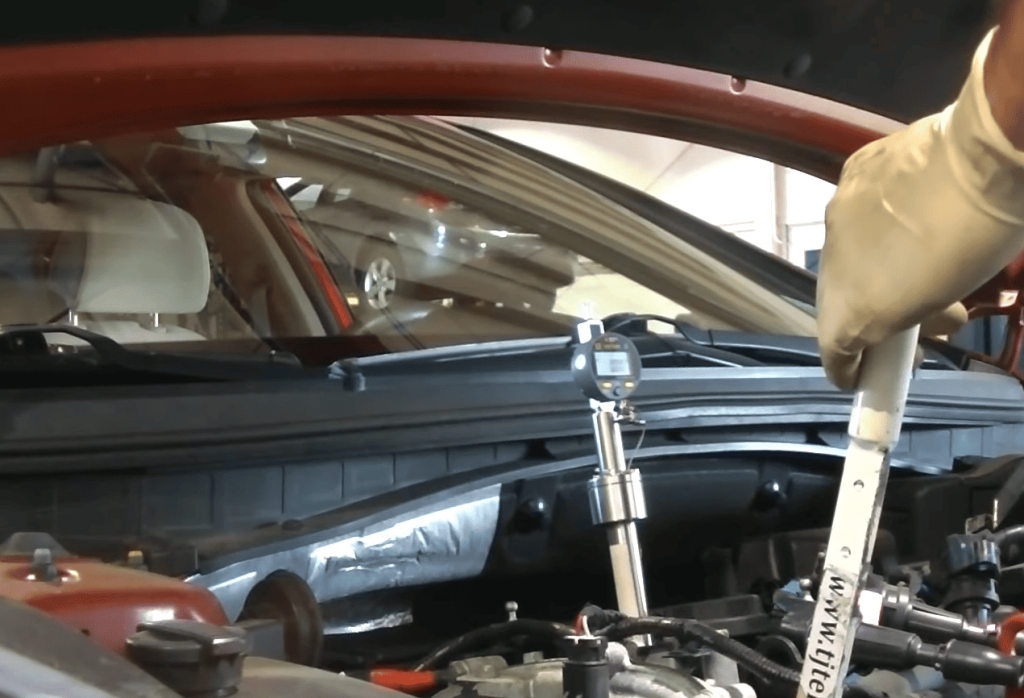
Checking and Testing the Knock Sensor Functionality
Proper testing requires comparing readings against manufacturer specifications. No response or erratic signals indicate a faulty component.
If tests confirm the knock sensor needs replacement, this repair is relatively straightforward. It typically costs a few hundred dollars and resolves the issue when no other problems exist.
| Testing Method | Equipment Needed | Expected Result |
|---|---|---|
| Voltage measurement | Multimeter | Changing AC voltage |
| Signal pattern analysis | Oscilloscope | Clean waveform |
| Physical response test | Rubber mallet | Signal spike on impact |
Evaluating Software Updates and PCM Replacement Needs
If the sensor works correctly, check for necessary software updates. Service Campaign 966 addresses detection system improvements.
Contact your dealer with your VIN to verify eligibility. This update helps identify bearing issues before major engine damage occurs.
Document all symptoms and repair attempts thoroughly. This documentation becomes crucial for warranty claims involving engine replacement.
April 2022 service bulletins established specific diagnostic procedures. They require video evidence and bearing tests for replacement approvals.
Some diagnostic work requires specialized dealer equipment. Professional assessment ensures accurate diagnosis when complex issues arise.
Costs, Warranties, and Dealer Updates
When facing potential engine issues, knowing your warranty coverage and repair costs becomes essential for planning your next steps. Many owners may qualify for free repairs through various programs.
Warranty Extensions and Recall Repair Insights
A significant settlement in 2022 covered millions of vehicles from specific manufacturers. This provides important protection for affected owners.
Following Service Campaign 966, eligible models received extended powertrain coverage. The warranty extension offers 15 years or 150,000 miles of protection.
Contact your local dealer with your VIN to check eligibility. They can confirm if your vehicle qualifies for updates or recall repairs.
Analyzing Repair and Replacement Cost Factors
Repair costs vary significantly depending on the specific issue. Knock sensor replacement typically ranges from $305 to $391 across most vehicles.
Model-specific costs show interesting variations. For example, one popular SUV model averages $357-$442 for the same repair.
| Repair Type | Average Cost Range | Typical Coverage |
|---|---|---|
| Knock Sensor Replacement | $305 – $391 | Often covered under warranty |
| Engine Replacement | $3,200+ | Case-by-case determination |
| Diagnostic Services | $100 – $200 | Sometimes reimbursable |
Accurate diagnosis is crucial for warranty coverage. One owner discovered this the hard way after multiple repairs.
“Over 100 vehicles in my area had the same problem,” noted a frustrated owner who paid $3,200 out-of-pocket. The dealer determined the issue wasn’t covered under the bearing warranty.
Always verify coverage terms before authorizing major work. Getting a second opinion can prevent unexpected expenses.
Conclusion
When that warning indicator illuminates on your dashboard, taking immediate action can mean the difference between a simple repair and major engine damage. This specific diagnostic alert signals your vehicle’s protection system has detected potential issues.
Continuing to drive with active warnings significantly increases the risk of complete engine failure. Your automobile may enter limp mode or refuse to start altogether – this is the system protecting itself from further harm.
Contact your dealer immediately to verify warranty coverage and schedule professional diagnosis. Document all symptoms thoroughly, as this evidence may be crucial for claims. Many owners find valuable support through online communities where members share repair experiences.
Quick response and proper documentation are your best defenses against expensive repairs. Don’t ignore those dashboard warnings – your vehicle’s health depends on it.