
Did you know that nearly 1 in 5 drivers will experience some form of vehicle shaking during their ownership? That unsettling sensation isn’t just annoying—it’s your automobile’s way of telling you something needs attention.
When your ride starts trembling as you press the gas pedal, it can be both confusing and concerning. This common issue affects many vehicle owners, but the good news is that most causes are identifiable and fixable.
Our comprehensive guide walks you through the entire process. We’ll help you understand what’s happening beneath the hood and on the road. You’ll learn to identify specific symptoms and their likely sources.
We cover everything from simple tire issues to more complex drivetrain problems. Our friendly, step-by-step approach makes troubleshooting accessible for any skill level. You’ll discover when you can handle repairs yourself and when professional help is wise.
Addressing this shaking promptly ensures a smoother, safer driving experience. It can also prevent more expensive repairs down the road. Whether you’re dealing with mild trembling or severe vibrations, this article provides clear direction.
Key Takeaways
- Vehicle shaking during acceleration is a common issue with multiple potential causes
- Early diagnosis can prevent more serious and costly damage to your automobile
- Many vibration problems can be identified through systematic troubleshooting
- Some fixes are DIY-friendly while others require professional mechanical expertise
- Regular maintenance helps prevent many common causes of this shaking issue
- Safety should always be your top priority when diagnosing driving concerns
- Understanding the symptoms helps you communicate effectively with repair professionals
Introduction
The steering wheel shudder that occurs during acceleration serves as a critical communication from your vehicle’s mechanical systems. Many drivers mistakenly dismiss these warning signs as minor quirks rather than recognizing them as important indicators.
Overview of Vehicle Vibrations
Automotive vibrations manifest in distinct patterns that provide valuable diagnostic clues. Understanding these patterns helps identify whether issues stem from tires, engine components, or suspension systems.
| Vibration Scenario | Common Characteristics | Potential Implications |
|---|---|---|
| Low-Speed Tremors | Noticeable at 20-40 mph | Often related to tire or wheel balance issues |
| High-Speed Shaking | Intensifies above 55 mph | Typically indicates alignment or drivetrain concerns |
| Consistent Throughout | Present at all speeds | May signal engine or transmission problems |
Each vibration type tells a different story about your automobile’s condition. Recognizing these patterns saves significant diagnostic time and helps prioritize repair attention.
Importance of Early Detection and Repair
Addressing vibration issues promptly prevents minor concerns from escalating into major mechanical failures. Early intervention maintains your driving experience quality and ensures road safety.
Ignoring these warning signs can lead to more extensive damage and costly repairs. Proper attention to vibration problems protects both your vehicle’s performance and your peace of mind.
Understanding Why “car vibrates when accelerating” Happens
A rhythmic shudder that intensifies with speed points directly to specific mechanical imbalances. Recognizing these patterns helps you identify whether the issue stems from tires, engine components, or suspension systems.
Defining the Issue and Its Symptoms
The car shaking sensation manifests differently depending on the root cause. You might feel vibrations primarily through the steering wheel, seat, or floorboard.
Specific symptoms provide crucial diagnostic clues. The timing and location of the shaking help narrow down potential sources.
| Vibration Location | Typical Sensation | Primary Suspect Areas |
|---|---|---|
| Steering Wheel | Side-to-side wobble | Front tires, suspension, alignment |
| Vehicle Floor | Up-and-down pulsation | Drivetrain, engine mounts, exhaust |
| Seat/Entire Cabin | Overall body tremor | Rear wheels, transmission, balance |
Pay attention to when the car shakes occur during acceleration. This timing reveals whether the problem relates to weight transfer or power delivery.
The Impact on Driving Safety and Performance
This mechanical issue significantly affects your control during crucial maneuvers. Emergency avoidance or highway merging becomes riskier when your vehicle behaves unpredictably.
The driving experience suffers from reduced stability and confidence. Performance degradation includes poor fuel efficiency and potential damage to adjacent components.
Even mild vibrations during acceleration should prompt immediate attention. What begins as a minor annoyance can quickly escalate into a safety-critical situation.
Common Causes Behind the Vibrations
Multiple systems work together to create smooth operation, and when one fails, vibrations become noticeable. Identifying the specific common causes helps you address issues efficiently.
Engine and Spark Plug Issues
Your engine relies on properly functioning spark plugs for optimal performance. Worn plugs create misfires that disrupt smooth power delivery.
This damage to the ignition system often manifests as shaking sensations. Regular replacement of spark components prevents these problems.
Tire Imbalances and Wheel Damage
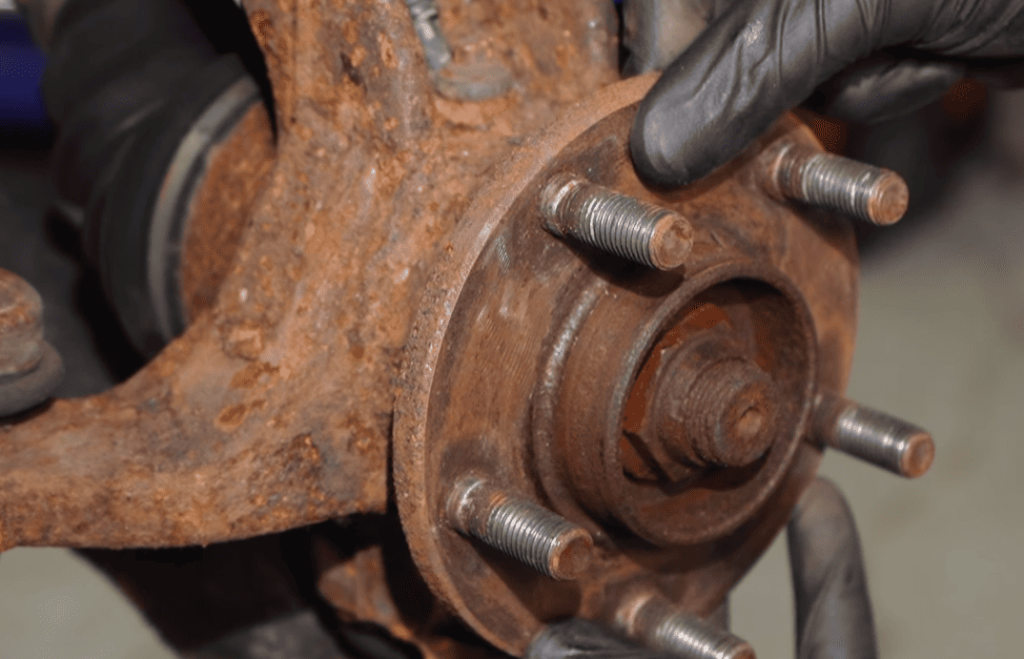
Uneven tires or bent wheels create rotational imbalances. These issues transfer directly to your driving experience.
Proper balancing ensures even weight distribution around each wheel. Addressing tire concerns early prevents more serious damage.
Suspension, CV Joint, and Motor Mount Defects
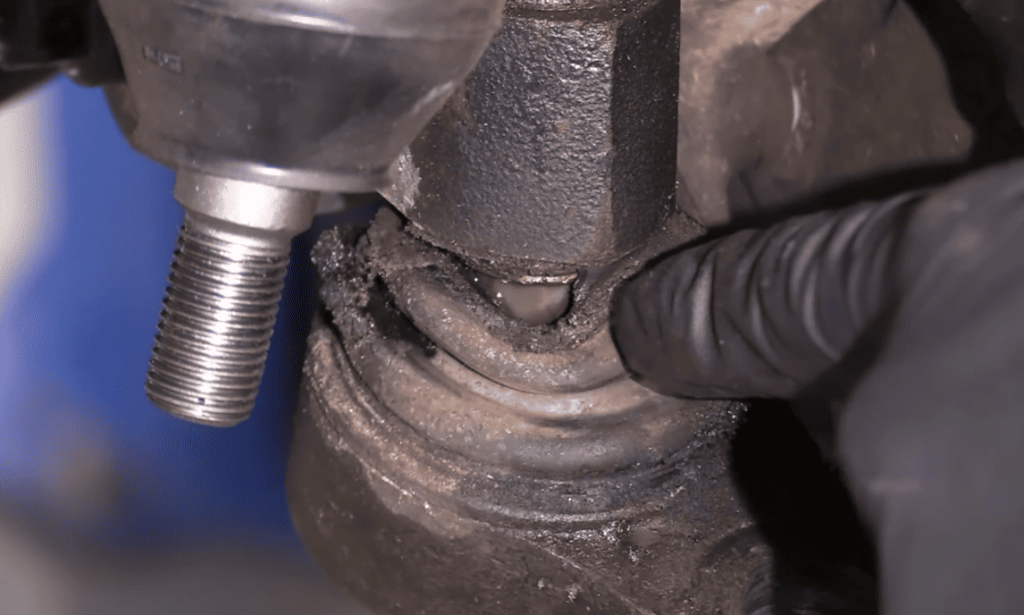
Your vehicle’s suspension system includes critical joints that allow flexible movement. Worn CV joints compromise power transfer.
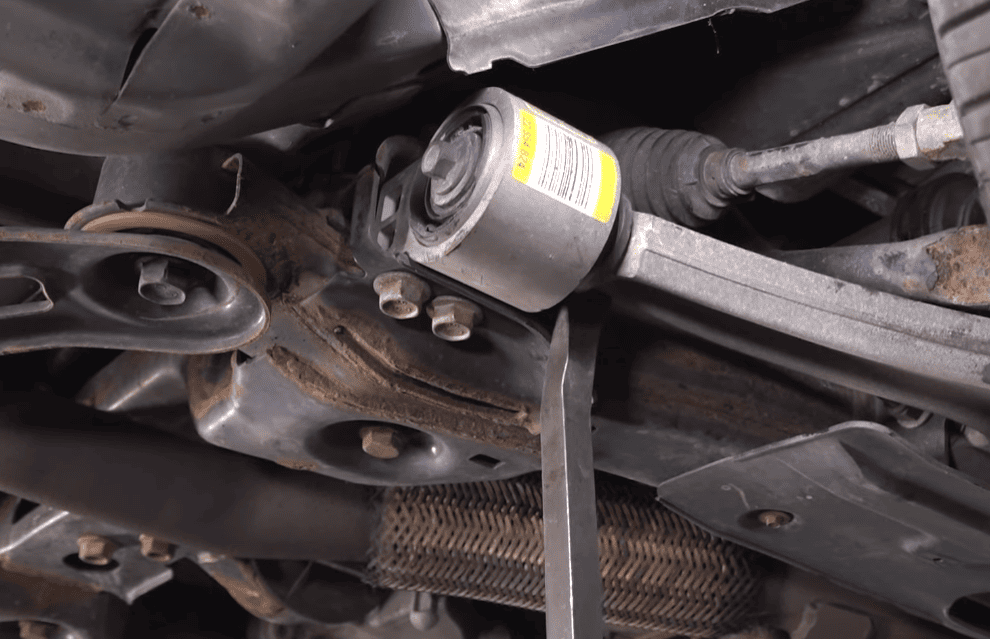
Motor mounts secure the engine while absorbing natural vibrations. When these mounts fail, shaking intensifies during power application.
Step-by-Step Troubleshooting Guide
Before reaching for tools, start with basic visual checks that reveal obvious problems. This systematic approach helps you identify the source of shaking without complicated equipment.
Initial Inspections and Diagnostic Tips
Turn your vehicle on and pop the hood while the engine runs. Watch for excessive movement that suggests mount issues. Check if the shaking intensifies at different speeds.
Examine your tires and wheels for visible damage or uneven wear. Look for loose components or leaking fluids underneath your car. These simple observations provide valuable diagnostic clues.
Pay attention to whether vibrations change during acceleration. This helps determine if the problem relates to tire balance or alignment. Basic inspections can often pinpoint the root cause.
When to Use Professional Diagnostic Tools
Some engine issues require advanced equipment for accurate diagnosis. Professional mechanics use specialized tools to read codes and test systems.
If basic checks don’t reveal the source, seek expert help immediately. Continuing to drive a shaking vehicle risks serious engine damage. Safety should always come first when dealing with mechanical problems.
Complex components like transmission systems need professional assessment. Don’t hesitate to consult a mechanic for persistent vibration issues. Their diagnostic tools can identify problems invisible during basic inspections.
Repair, Maintenance, and Prevention Strategies
Regular care and timely repairs form the foundation of a smooth, reliable driving experience. Addressing issues promptly prevents minor concerns from becoming major expenses.
Essential Repairs and Part Replacements
Some repairs restore performance quickly. Replacing worn spark plugs can eliminate shaking immediately. Professional tire balancing ensures even weight distribution.
Engine mounts and CV joints often need replacement when worn. Transmission issues require expert diagnosis. Complex system problems need professional auto repair attention.
Routine Maintenance and Safety Checks
Regular maintenance prevents most vibration issues. Schedule tire rotations and alignment checks every 6,000 miles. Inspect brake components and suspension regularly.
Fuel system cleaning and transmission fluid changes protect critical components. Establish a relationship with a trusted auto repair shop for consistent care.
These strategies keep your vehicle running smoothly for years. Preventive maintenance saves money by avoiding expensive damage.
Conclusion
You now have a clear roadmap to address those unsettling shakes in your automobile. This guide has equipped you to understand the common causes, from simple tire imbalances to complex transmission issues.
Remember, these vibrations are important warning signs. Addressing them early protects your safety and prevents minor problems from becoming major repairs. Your driving experience should be smooth and confident.
Whether you handle basic checks yourself or seek a professional’s attention, taking action is key. Don’t ignore a car that shakes during acceleration.
Use this knowledge to maintain your vehicle diligently. Proper care of wheels, suspension, and other system components ensures a safer journey for years to come.