
Did you know that on a hot summer day, the temperature inside your parked vehicle can soar to over 140 degrees Fahrenheit? That’s hotter than most deserts. A reliable air conditioning system isn’t just a luxury; it’s a vital component for safe and comfortable driving.
This guide is designed to help every vehicle owner understand their car’s cooling system. We will explore the common signs that indicate your AC might need a refrigerant recharge. Spotting these issues early is crucial.
Early detection can prevent uncomfortable drives and protect your wallet from more expensive repairs. It also helps maintain the overall health of your vehicle’s components.
You will learn to recognize the warning signs that your system’s performance is dropping. We’ll also discuss when it’s time to call a professional. Our approach makes technical details easy to grasp for all drivers.
Keeping your car’s air conditioning at peak performance is about more than just cool air. It supports better fuel economy and prevents future problems. Let’s get started on ensuring your comfort on the road.
Key Takeaways
- A properly working AC system is essential for comfort and safety during hot weather.
- Recognizing early signs of low refrigerant can save you from costly repairs.
- This guide will help you understand your vehicle’s cooling system.
- Learn the simple indicators that your AC isn’t performing optimally.
- Know when a problem requires professional assistance.
- Maintaining your AC supports overall vehicle efficiency.
Understanding Your Car’s Air Conditioning System
Your car’s cooling magic begins with a simple but brilliant principle: it doesn’t create cold air, but rather removes heat from your vehicle’s interior. This fascinating process relies on a closed-loop air conditioning system that circulates refrigerant through alternating high and low pressure zones.
The Role of Refrigerant and Pressure
The entire conditioning system operates on pressure differentials. Refrigerant moves between high-pressure and low-pressure sides, changing states from gas to liquid and back again. This constant transformation is what enables heat absorption and release.
Proper pressure levels are crucial for system performance. The compressor acts as the heart, pumping refrigerant gas into the high-pressure side. Here’s how the cycle flows through key components:
| Stage | Component | Function | Pressure State |
|---|---|---|---|
| Compression | Compressor | Pumps refrigerant gas | High pressure |
| Heat Release | Condenser | Cools gas into liquid | High pressure |
| Expansion | Expansion Valve | Controls refrigerant flow | Low pressure |
| Heat Absorption | Evaporator Coil | Cools cabin air | Low pressure |
How Components Work Together to Keep You Cool
Each component in your vehicle air conditioning has a specific role. The compressor starts the cycle by pressurizing refrigerant gas. The condenser then radiates heat away, converting the gas into a high-pressure liquid.
Moisture removal happens in the receiver-dryer, using desiccants similar to those “do not eat” packets in new products. This protects the system from damage. The expansion valve meters refrigerant flow into the evaporator coil.
Inside your cabin, a fan blows warm air over the cold evaporator coils. The refrigerant absorbs heat from this air, cooling it before circulating back through the system. This coordinated effort between all components ensures consistent cooling performance.
When any part of this delicate pressure balance is disrupted, the entire system suffers. Understanding these relationships helps you recognize when professional attention is needed.
How to Tell if Freon Is Low in AC Car
Your air conditioning system communicates problems through clear, observable signals. Paying attention to these early signs can prevent major issues down the road. The system relies on proper refrigerant levels for optimal performance.
Recognizing Warm Air and Temperature Fluctuations
One of the most obvious signs something is wrong occurs when your vehicle starts blowing warm air instead of cool. This warm air indicates the refrigerant cannot absorb enough heat from your cabin.
The temperature might fluctuate during your drive. Cool air may flow initially but gradually turn warm as the system struggles. This pattern suggests insufficient refrigerant for sustained cooling.
Listening for A/C Clutch Engagement
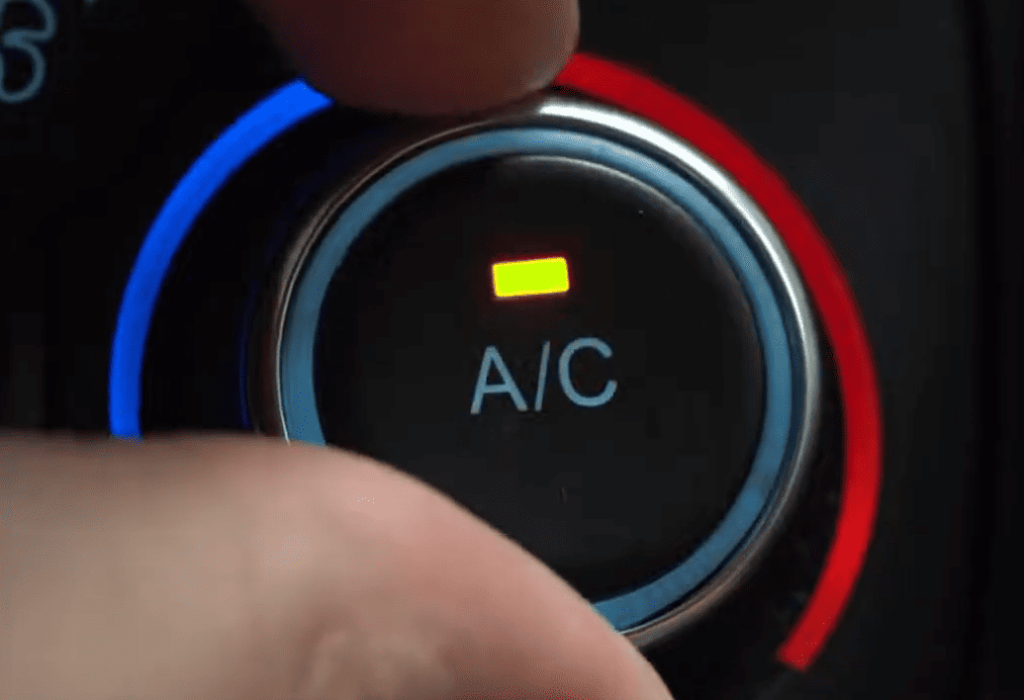
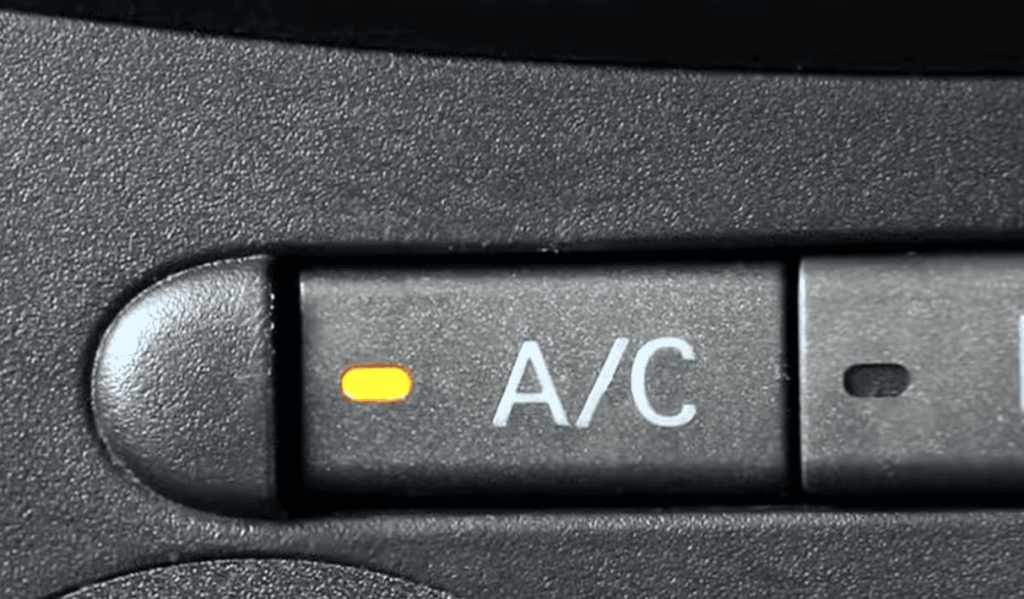
Your a/c system produces a distinct click when activated. This sound means the compressor clutch has engaged properly. The clutch requires specific pressure to function correctly.
When refrigerant levels drop too low, you won’t hear that engagement click. The system prevents operation to avoid damage. Your car won’t cool without this crucial component working.
These two signs provide clear indications your vehicle‘s conditioning system needs attention. Addressing them promptly ensures comfortable driving and prevents costly repairs.
Identifying Common Symptoms of Low Refrigerant
Sometimes the most telling signs of AC trouble aren’t felt in the cabin but seen around the vehicle. Physical evidence often provides clear warnings about your cooling system’s condition.
Visible Refrigerant Leaks and Greasy Residue
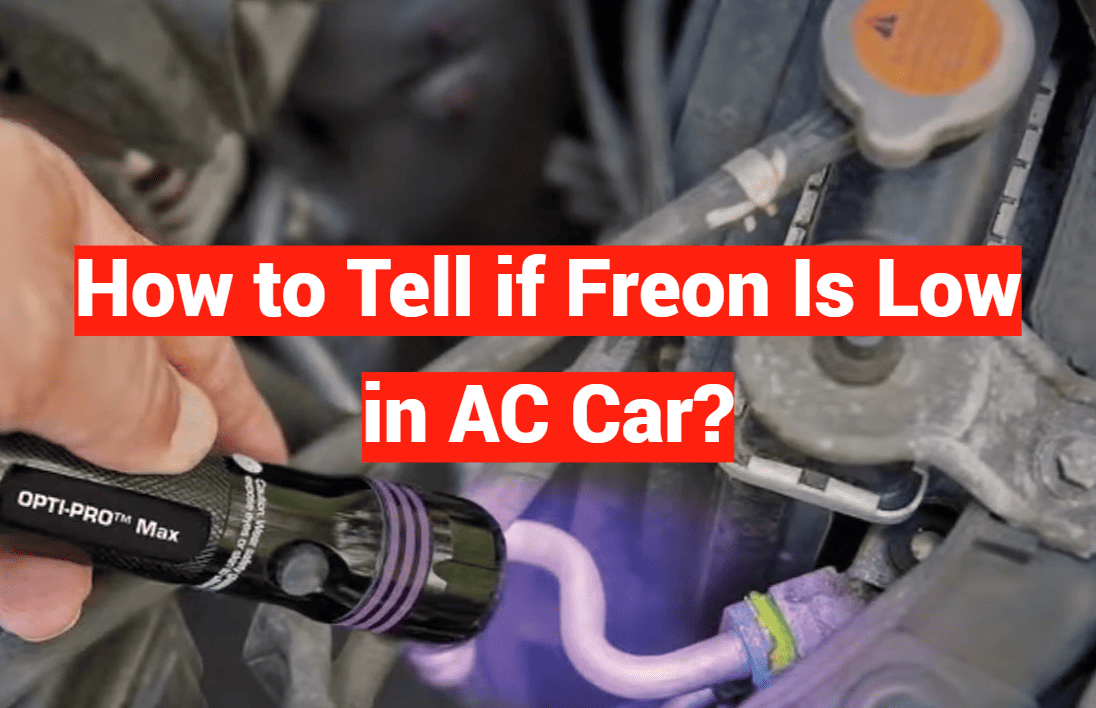
A refrigerant leak leaves distinctive marks. Look for a thin, greasy substance around components. This oily residue differs from normal water condensation.
Common leak locations include under the hood near the compressor. Check AC lines and component welds for frost or wet spots. Also inspect inside the cabin near vents.
Visible leaks demand immediate professional attention. Simply adding more refrigerant won’t solve the underlying problem. The leak must be repaired to prevent recurring issues.

| Leak Type | Appearance | Common Locations | Urgency Level |
|---|---|---|---|
| Refrigerant Leak | Thin, greasy residue | Compressor area, AC lines | High – Needs immediate repair |
| Condensation | Clear water droplets | Under vehicle, evaporator drain | Normal – No action needed |
| Oil Leak | Thick, dark fluid | Engine compartment | Medium – Schedule inspection |
Other Signs to Watch For
Strange odors from vents suggest water or mildew in the system. While not always directly related to low refrigerant, they often accompany AC problems.
Frost buildup on components indicates improper refrigerant flow. This can signal low levels or other system issues needing professional diagnosis.
Catching these signs early prevents extensive damage to your car’s air conditioning system. It also helps manage repair costs effectively.
Steps to Recharge and Maintain Your A/C System
Many drivers mistakenly believe an A/C recharge is a simple top-off procedure. In reality, your vehicle’s air conditioning is a sealed system that shouldn’t need frequent service.
When refrigerant levels drop, there’s usually an underlying issue. Simply adding more refrigerant provides only temporary relief.
Diagnosing Pressure Drops and Leaks
Professional technicians begin by checking pressure levels with specialized gauges. This diagnostic service identifies whether pressure drops indicate leaks in components or lines.
Finding and fixing these leaks is crucial before adding new refrigerant. Otherwise, the problem will quickly return.
When to Seek Professional Auto Repair
The complete recharge process involves several precise steps. Technicians repair all leaks, remove moisture through vacuuming, then add the exact amount of refrigerant specified by your vehicle’s manufacturer.
This thorough approach ensures your car air conditioning works properly for the long term. Unlike routine maintenance, a healthy vehicle A/C shouldn’t need frequent recharge service.
For hybrid and electric vehicles, proper air conditioning is even more critical. These systems often help cool high-voltage battery packs.
When you notice cooling issues, professional auto repair provides the safest solution. Specialized equipment and expertise ensure your vehicle needs are met correctly.
Conclusion
Your car’s ability to maintain a comfortable cabin temperature depends on several key factors. Recognizing when your vehicle needs attention before the hot summer months ensures reliable cooling when you need it most.
Watch for clear warning signs like warm air instead of cool air, missing clutch engagement sounds, or visible leaks. Remember that low freon levels typically indicate a leak requiring professional repair, not just a simple top-off.
Addressing issues early protects your air conditioning system from damage. This proactive approach saves money and keeps your vehicle comfortable. Understanding these signals empowers you to take timely action for optimal performance.