
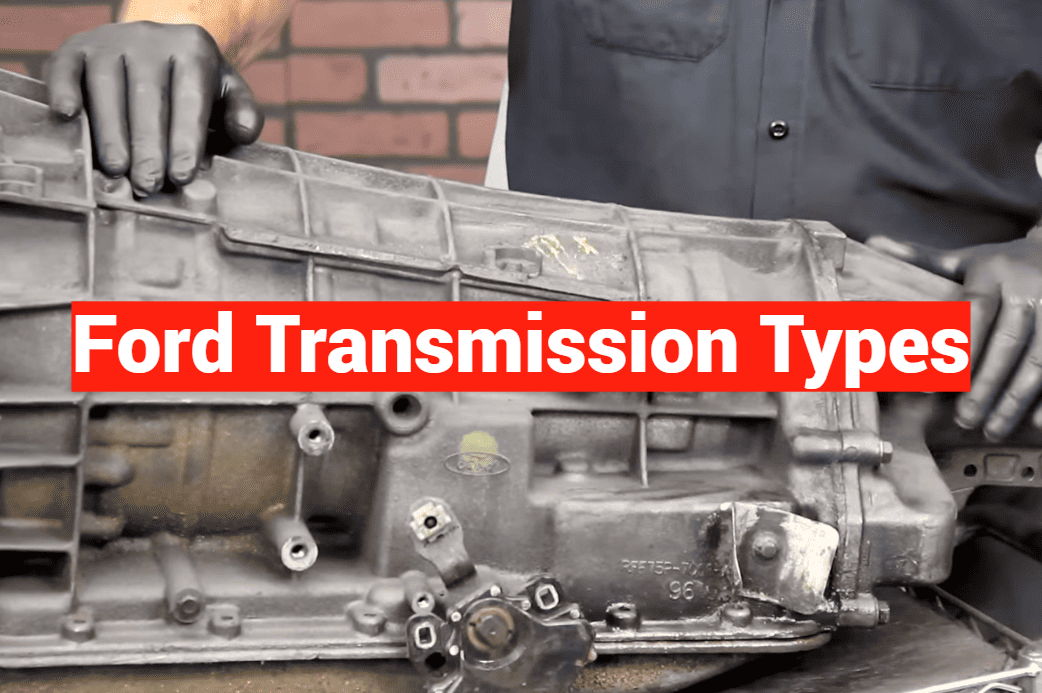
Did you know that some modern Ford models feature a gearbox with ten different speeds? This incredible engineering feat allows for incredibly smooth power delivery and optimal fuel economy.
That kind of innovation is nothing new for this automaker. For over a century, the company has been a leader in developing the systems that connect an engine to the wheels. This guide will walk you through the various options available.
Understanding these systems is key to choosing the right vehicle for your needs. Whether you prioritize towing power, sporty driving, or maximum efficiency, there’s a specific gearbox designed for you.
We will explore everything from traditional manuals to advanced automatics. You will learn about the unique characteristics and benefits of each one. This knowledge will help you make a confident decision, whether you’re buying new or maintaining your current car.
Key Takeaways
- Ford has a long history of innovation in gearbox technology.
- Modern systems can have up to ten speeds for better performance.
- Different gearboxes are designed for specific driving needs like towing or fuel economy.
- Understanding the options helps you choose the best vehicle for your lifestyle.
- This guide covers manuals, automatics, and other advanced systems.
Introduction to Ford Transmission Types
At the heart of every modern automobile lies a sophisticated system that translates engine power into smooth, responsive driving. This technology has evolved dramatically over decades of automotive innovation.
The Importance of Transmissions in Modern Vehicles
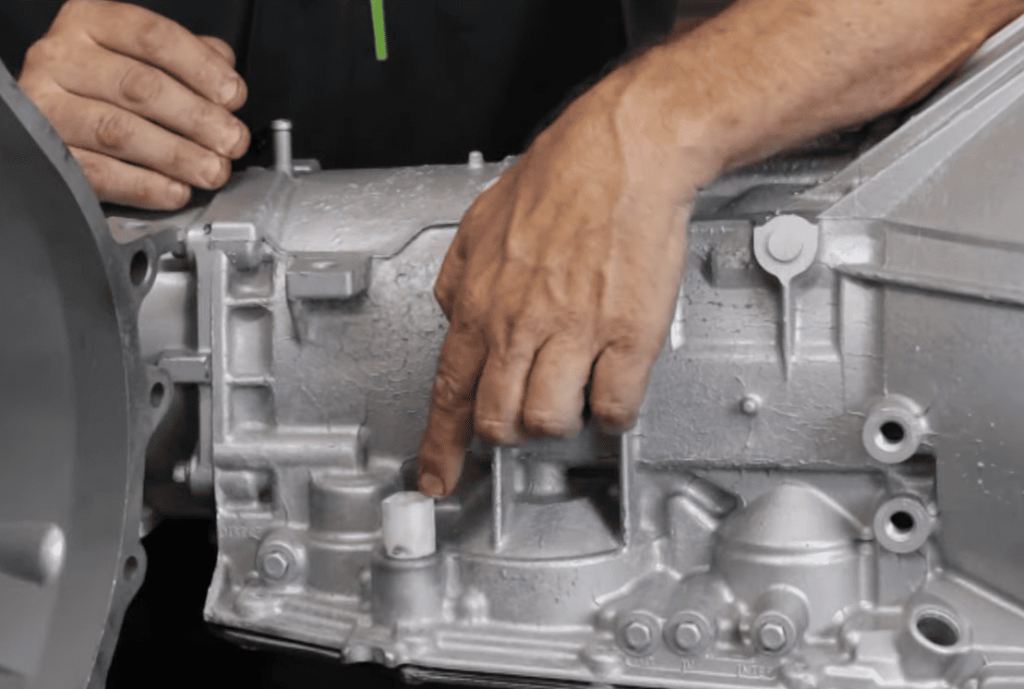
Your vehicle’s gear system serves as the crucial link between the engine and wheels. It manages power delivery across different speeds and driving conditions.
Modern cars demand advanced technology that handles increased power outputs. These systems must meet strict emissions standards while providing seamless gear changes.
They enhance driver comfort and confidence on city streets and highways alike. Proper power management ensures optimal performance and fuel economy.
Overview of Features, Benefits, and Applications
Different gear systems offer unique advantages for various driving needs. Manual options provide direct control for enthusiasts who enjoy hands-on driving.
Automatic systems optimize efficiency without requiring driver input. They’re particularly useful in stop-and-go traffic situations.
Applications across vehicle models demonstrate careful engineering matching. Sports cars get performance-oriented setups, while trucks receive heavy-duty configurations.
Family vehicles benefit from efficiency-focused designs. Understanding these applications helps you appreciate how complex systems work behind the scenes.
Historical Evolution of Ford Transmissions
Innovation in vehicle power management systems has been a cornerstone of this company’s engineering philosophy since its earliest models. The journey reflects decades of responding to driver needs and technological possibilities.
Early Manual and Planetary Gear Systems
The 1908 Model T introduced a revolutionary planetary gear system. This design was remarkably simple to operate compared to contemporary options.
Early decades saw focus on durable manual systems. These established the company’s reputation for reliability that would define its identity over time.
The Shift to Automatic and Overdrive Technologies
A pivotal change arrived in the early 1950s with the Ford-O-Matic. This first automatic transmission offered unprecedented convenience and smooth operation.
The 1960s brought legendary C4 and C6 automatics. These became industry standards for their exceptional durability and performance capabilities.
Fuel crises prompted another technological leap. The 1980 AOD combined efficiency with robust performance, making Ford the first domestic automaker with this innovation.
| Year | Development | Significance |
|---|---|---|
| 1908 | Model T Planetary System | Revolutionary simple operation |
| 1950s | Ford-O-Matic | First automatic transmission |
| 1960s | C4 & C6 Transmissions | Industry durability standards |
| 1980 | AOD (Automatic Overdrive) | First domestic overdrive system |
In-Depth Look at Ford Transmission Types
Modern vehicles offer a spectrum of gearbox technologies, each with unique characteristics and benefits. Understanding these options helps drivers select the perfect match for their driving style and needs.
Understanding Manual, Automatic, CVT, and DCT Options
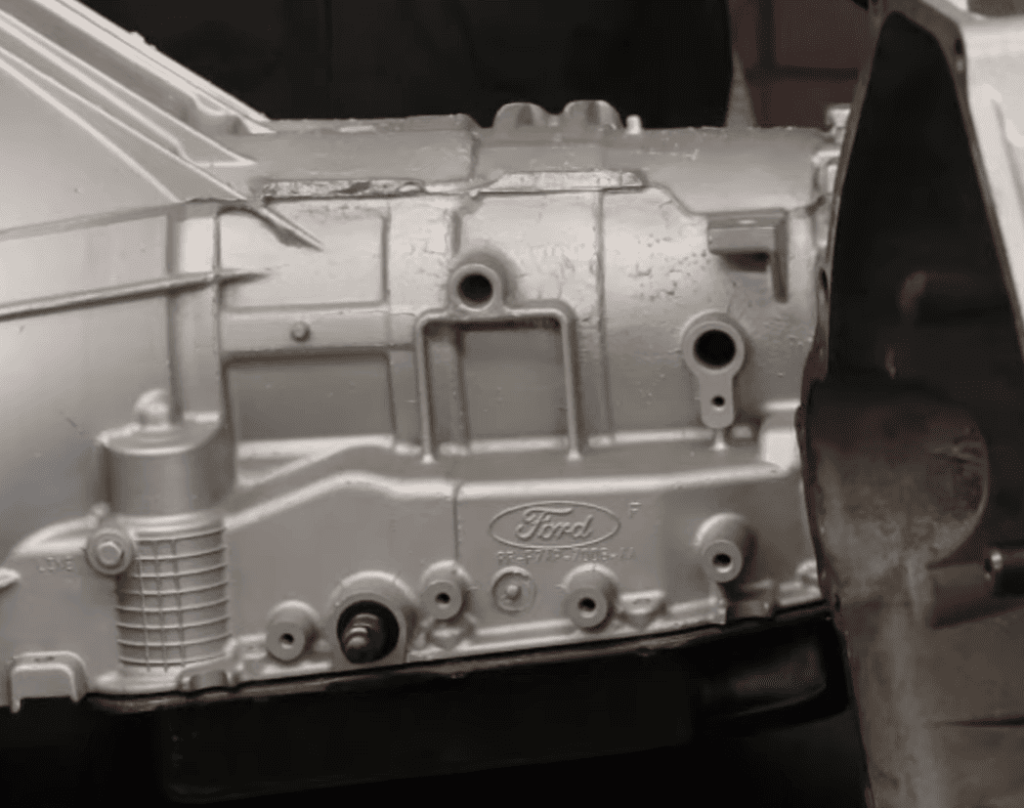
Manual systems provide direct driver control through a clutch pedal and gear lever. Enthusiasts appreciate the hands-on experience and precise power management these units offer.
Automatic transmissions revolutionized driving convenience. They use sophisticated planetary gear sets that change ratios automatically based on speed and load conditions.
Continuously Variable Transmissions (CVT) eliminate traditional gear steps entirely. Instead, they provide seamless acceleration through a pulley system that maintains optimal engine performance.
Dual-clutch transmissions (DCT) combine manual efficiency with automatic convenience. Two separate clutches handle odd and even gears for lightning-fast shifts.
| Transmission Type | Key Feature | Best For |
|---|---|---|
| Manual | Driver-controlled clutch | Enthusiasts, fuel economy |
| Automatic | Planetary gear system | Daily commuting, convenience |
| CVT | Stepless ratio changes | Smoothness, efficiency |
| DCT | Dual-clutch design | Performance, quick shifts |
Key Innovations Over the Decades
Electronic controls represent a major advancement in transmission technology. Computers now optimize shift timing for both performance and efficiency.
Overdrive gears reduce engine RPM during highway cruising. This innovation significantly improves fuel economy on long trips.
“The integration of electronic controls has transformed transmissions from purely mechanical devices into intelligent systems that adapt to driving conditions.”
Modern components ensure reliable operation across millions of miles. Hydraulic systems and sensors work together for smooth, predictable performance.
Notable Ford Transmission Models and Technological Advances
From the lightweight C4 to the robust C6, specific gearbox designs have become legends among enthusiasts and mechanics. These units represent key milestones in the pursuit of better performance and efficiency.
Understanding these iconic models provides a clear picture of engineering progress. We’ll compare their defining characteristics and explore the latest ten-speed technology.
Comparing Iconic Models: C4, C6, and AOD
The C4, introduced in 1964, was a revolutionary three-speed automatic. Its unique bolt-on bellhousing made it incredibly adaptable for various engines.
This design offered reliable performance with minimal power loss. It became a favorite for its efficiency in lighter passenger cars.
For heavier demands, the C6 entered production in 1966. It shared gear ratios with the C4 but was built with a much stronger case and internal parts.
This heavy-duty unit could handle massive engines, earning a reputation for being nearly bulletproof. Its trade-off was increased weight and reduced fuel efficiency.
The 1980s brought the AOD, a major leap forward. It introduced a fourth overdrive gear, drastically lowering engine RPM at highway speeds.
| Model | Key Innovation | Primary Use |
|---|---|---|
| C4 | Lightweight, adaptable design | Efficiency in lighter vehicles |
| C6 | Heavy-duty durability | Towing and high-performance |
| AOD | Overdrive for fuel economy | Highway cruising and efficiency |
A lock-up torque converter further improved economy by eliminating slippage. This automatic overdrive system balanced power and efficiency for a new era.
Modern Developments such as the 10R80
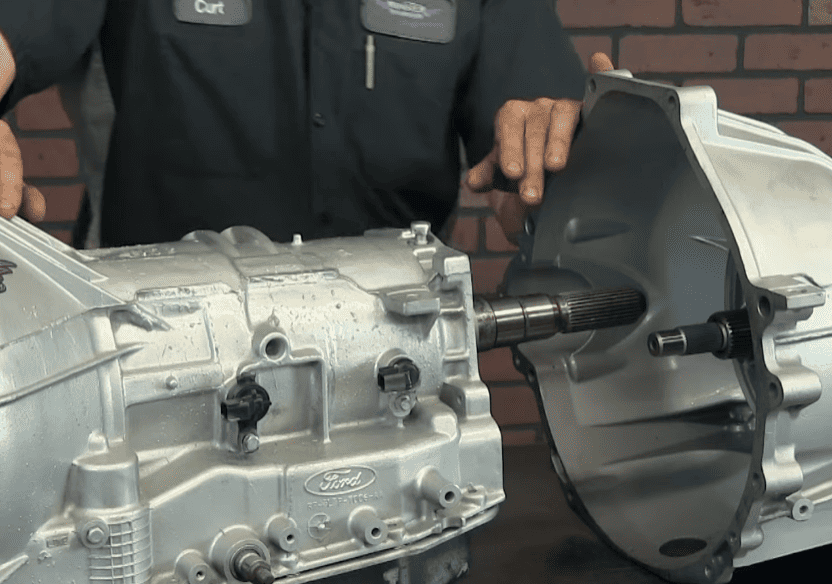
Today’s technology is exemplified by the 10R80, a ten-speed automatic. Developed with General Motors, it features optimized gear spacing.
Advanced shift algorithms provide seamless power delivery and impressive fuel efficiency. This modern unit represents the cutting edge of automatic transmissions.
The evolution from three-speed to ten-speed designs shows a relentless focus on progress. Each new model brings better performance for drivers.
Common Issues, Maintenance, and Performance Enhancements
Recognizing early warning signs can prevent minor issues from becoming major repairs. Staying alert to your vehicle’s behavior helps catch problems before they escalate.
Troubleshooting and Recognizing Warning Signs
Watch for slipping gears that cause unexpected RPM increases. Delayed or rough shifting creates jerky movements between speeds.
Unusual noises like grinding or whining indicate internal component wear. Transmission fluid leaks appear as red puddles under your vehicle.
Specific models like the AOD have known vulnerabilities. The overdrive unit is prone to failure, and the input shaft can snap under heavy loads.
Solenoid malfunctions cause erratic shifting behavior. Converter lockup problems may result in shuddering or reduced fuel efficiency.
Essential Maintenance Tips for Longevity
Regular fluid changes are crucial for system health. Follow your owner’s manual for recommended intervals, typically every 30,000-60,000 miles.
Fresh fluid lubricates moving parts and prevents overheating. Check levels regularly and inspect for leaks around the case.
Performance enhancements include upgraded clutch packs and reinforced shafts. These improvements provide firmer shift characteristics under demanding conditions.
Professional servicing ensures accurate diagnostics and reliable operation. Complex repairs require specialized equipment and expertise.
Upgrading and Replacing Ford Transmissions
Beyond stock configurations lies a world of performance upgrades that can transform your driving experience through specialized aftermarket components. These solutions address factory limitations while delivering enhanced capabilities for various applications.
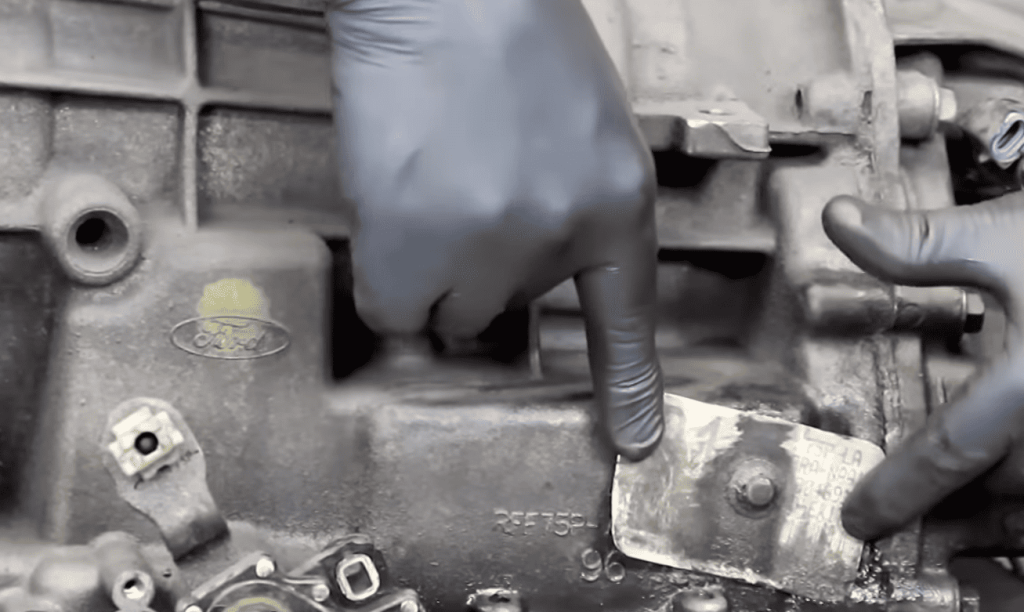
The Role of Aftermarket Parts and Upgrades
Respected companies like TCI, B&M, and Monster Transmission offer robust alternatives to factory units. Their products feature strengthened internal components and improved cooling systems.
For AOD applications, critical upgrades include one-piece chromoly input shafts and high-capacity servos. These modifications significantly improve durability and shift quality under demanding conditions.
Considerations for Performance and Efficiency
When selecting upgrades, compatibility with your vehicle’s specifications is crucial. The new unit must match your engine’s torque output and available space.
Performance enhancements deliver faster acceleration through optimized gear ratios. Efficiency improvements come from reduced power loss and better heat management.
Balancing cost with quality ensures long-term value. Professional installation maximizes the benefits of your upgraded system for reliable operation.
Conclusion
The journey through automotive power delivery systems reveals a fascinating story of continuous improvement. From early manual setups to today’s sophisticated automatic units, each generation builds on previous successes. This evolution addresses diverse driving needs across cars and trucks.
Understanding your vehicle’s gear system empowers you to make informed maintenance decisions. Regular fluid changes and attention to warning signs can prevent costly repairs. Proper care ensures optimal performance and extends the life of these complex components.
Whether you prioritize fuel efficiency, towing capacity, or spirited driving, the right choice matters. Modern technology continues to push boundaries with innovations like electronic controls and advanced materials. Staying informed helps you enjoy reliable, satisfying driving experiences for years to come.